We produce development frameworks that set out overarching strategies, land use principles and structure for larger sites. Our frameworks support commercial, local authority, healthcare and education clients planning multi-phase projects.
.webp)
A development framework is the document that keeps a large site coherent across years of delivery. We define the overarching strategy: land use principles, development structure, buildable areas and the design principles each phase must honour, giving every later decision a stable reference point.
This is the "should we build?" moment. The team clarifies goals, budget, risks and constraints, explores options (including non-build solutions), and forms the business case. The outcome is a confirmed set of client requirements and a go/no-go decision.
All the groundwork happens here: site information, surveys, statutory context and stakeholder needs are gathered, and the Project Brief and outline programme are agreed. Procurement and planning strategies are sketched so everyone knows the road ahead.
The design team explores options and massing, sets a sustainability approach, and prepares an order-of-cost estimate. Early conversations with planners may begin. By the end of this stage there's a preferred concept that meets the brief and budget.
Look at the whole processFrameworks serve clients who steward sites over time: councils, trusts, estates and developers of multi-phase schemes. A good one is precise about what matters and silent about what does not, guiding delivery without strangling it.
We define the high-level strategy that ties masterplan decisions together across infrastructure, use and form.
We propose land use and zoning strategies that respond to context, policy and project objectives.
Clear principles and structure define buildable and usable areas, giving the masterplan a coherent foundation.
Precision about what matters and silence about what does not. A framework that fixes everything strangles delivery as markets and needs change; one that fixes nothing provides no coherence at all. The craft is choosing the small set of principles that must hold, and holding them firmly.
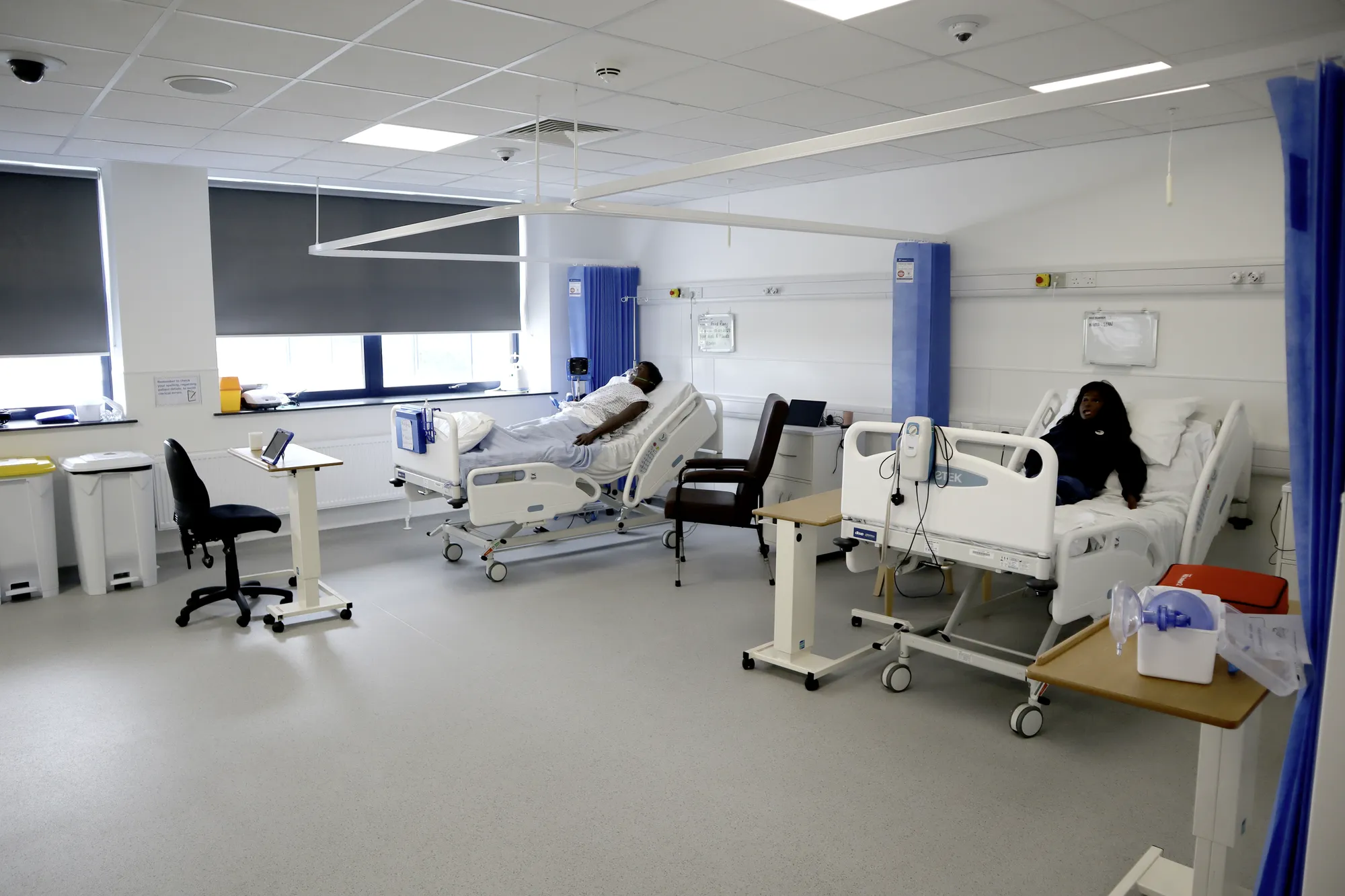
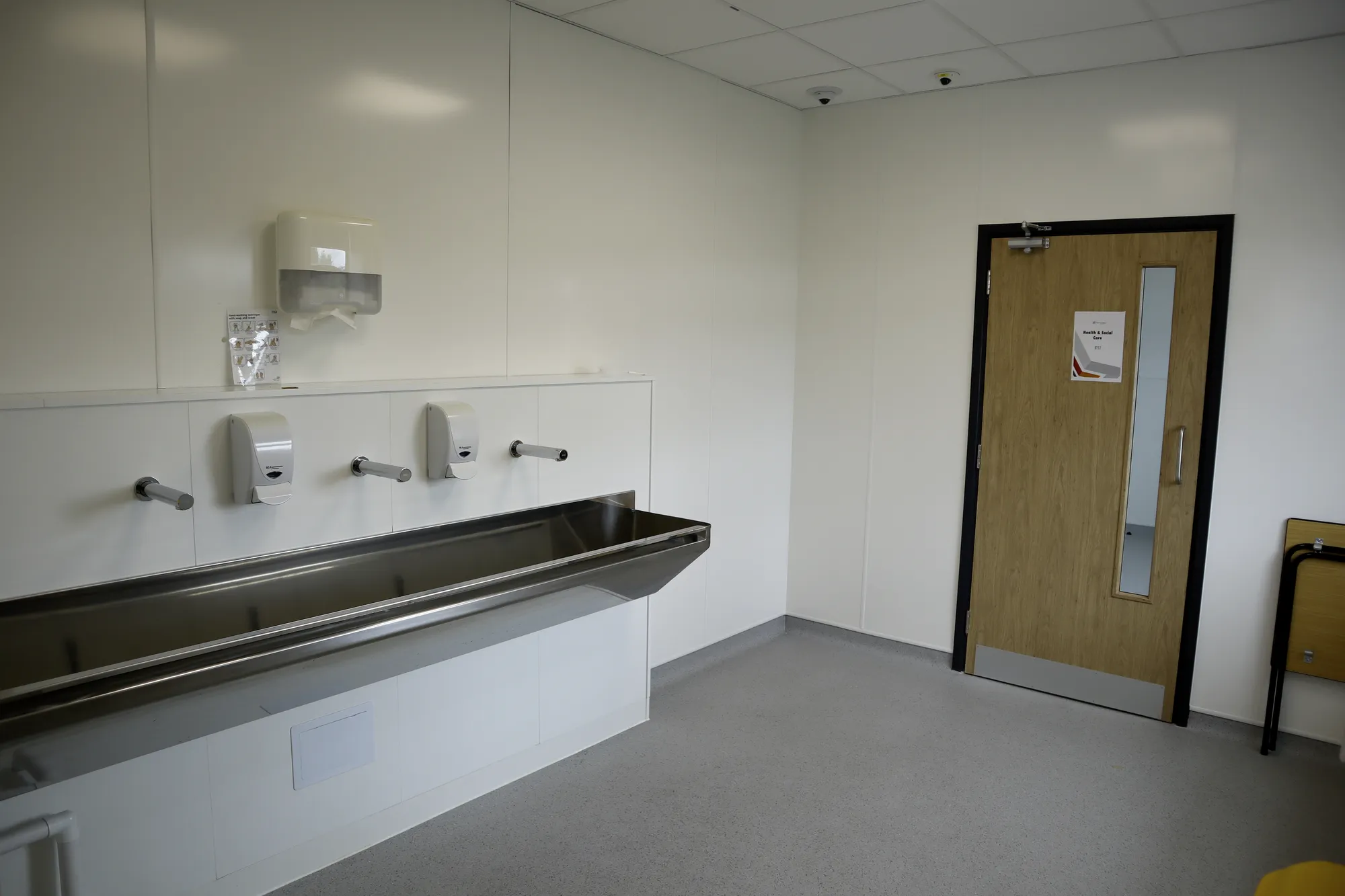
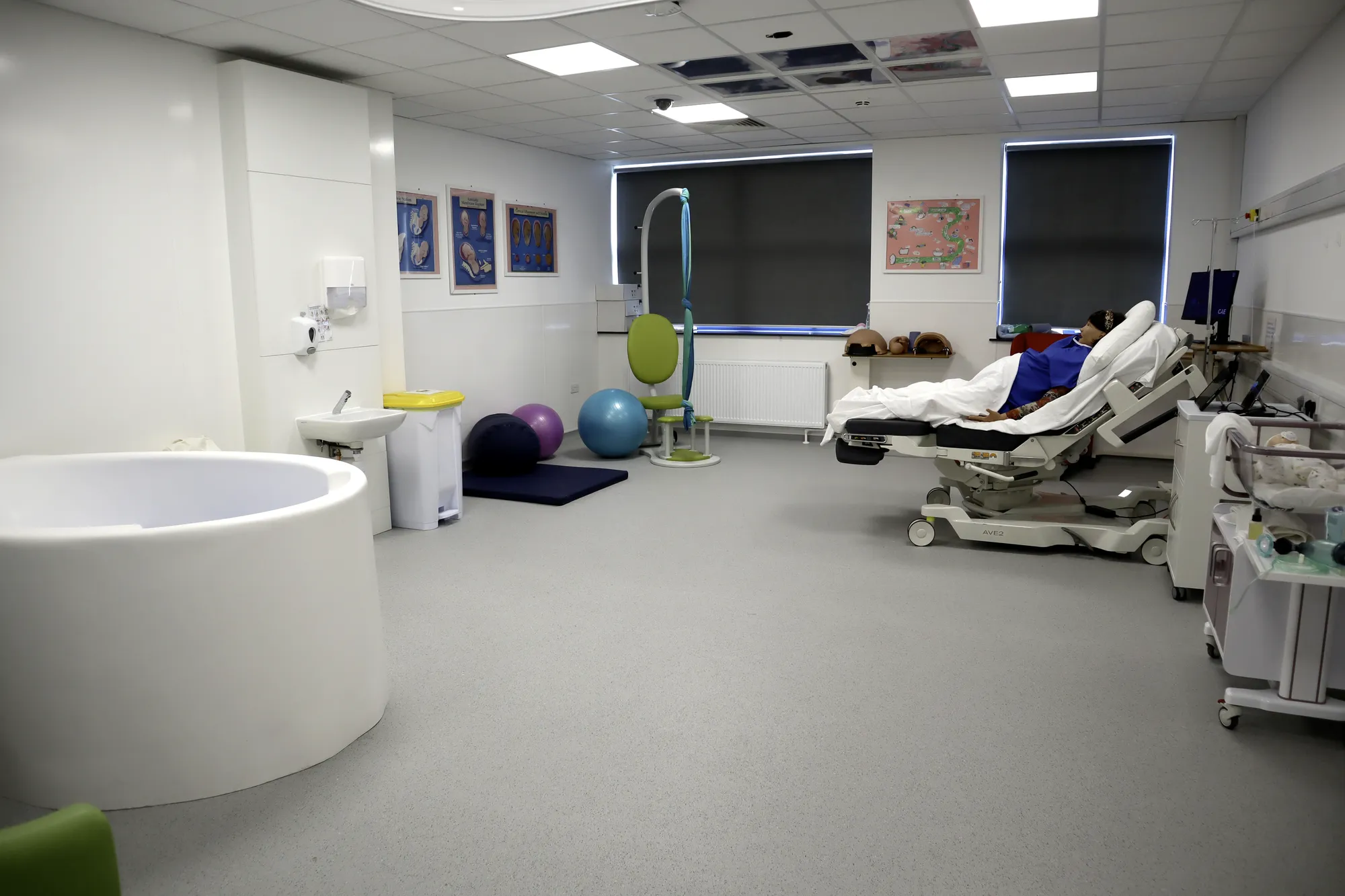
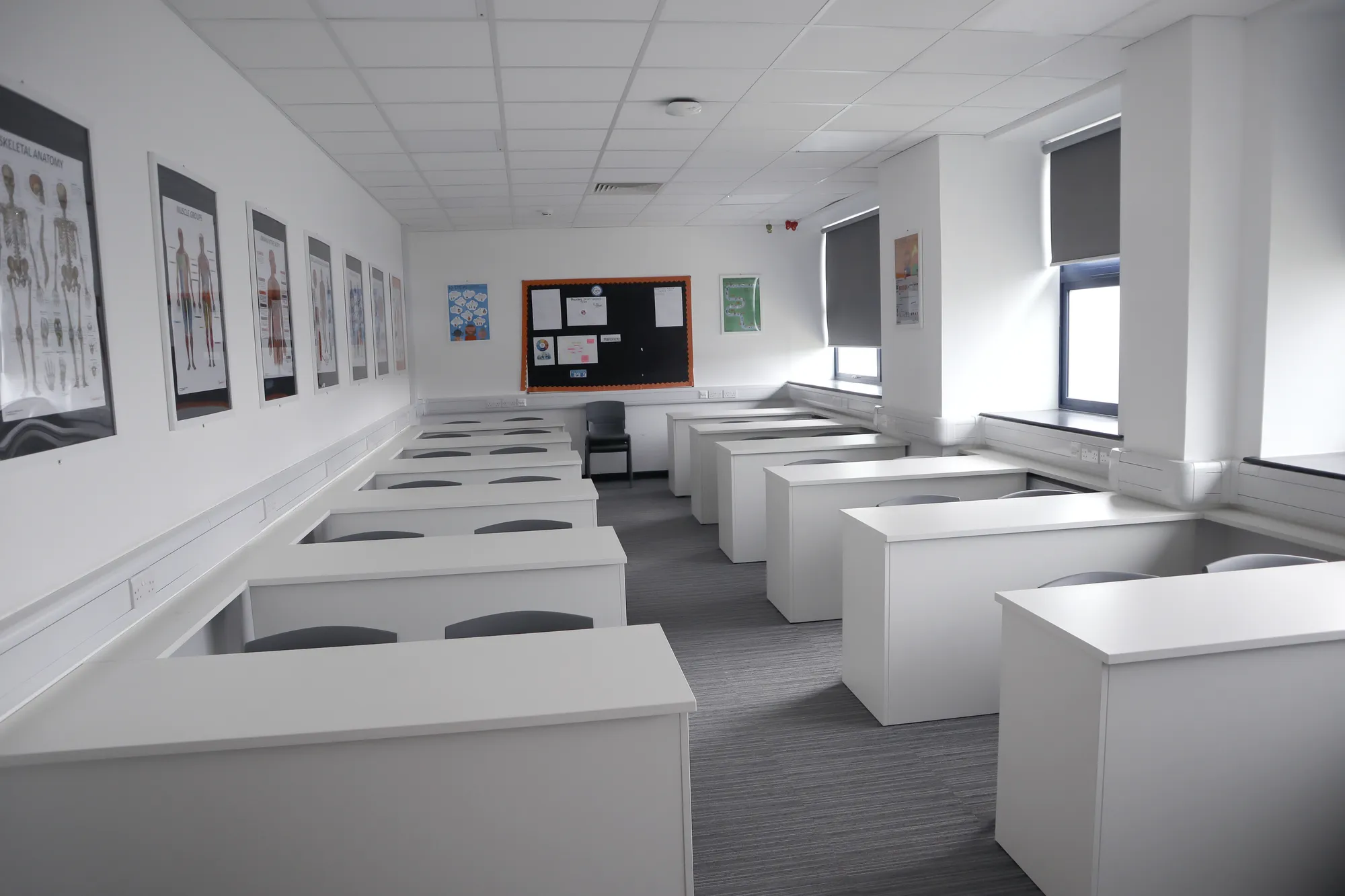
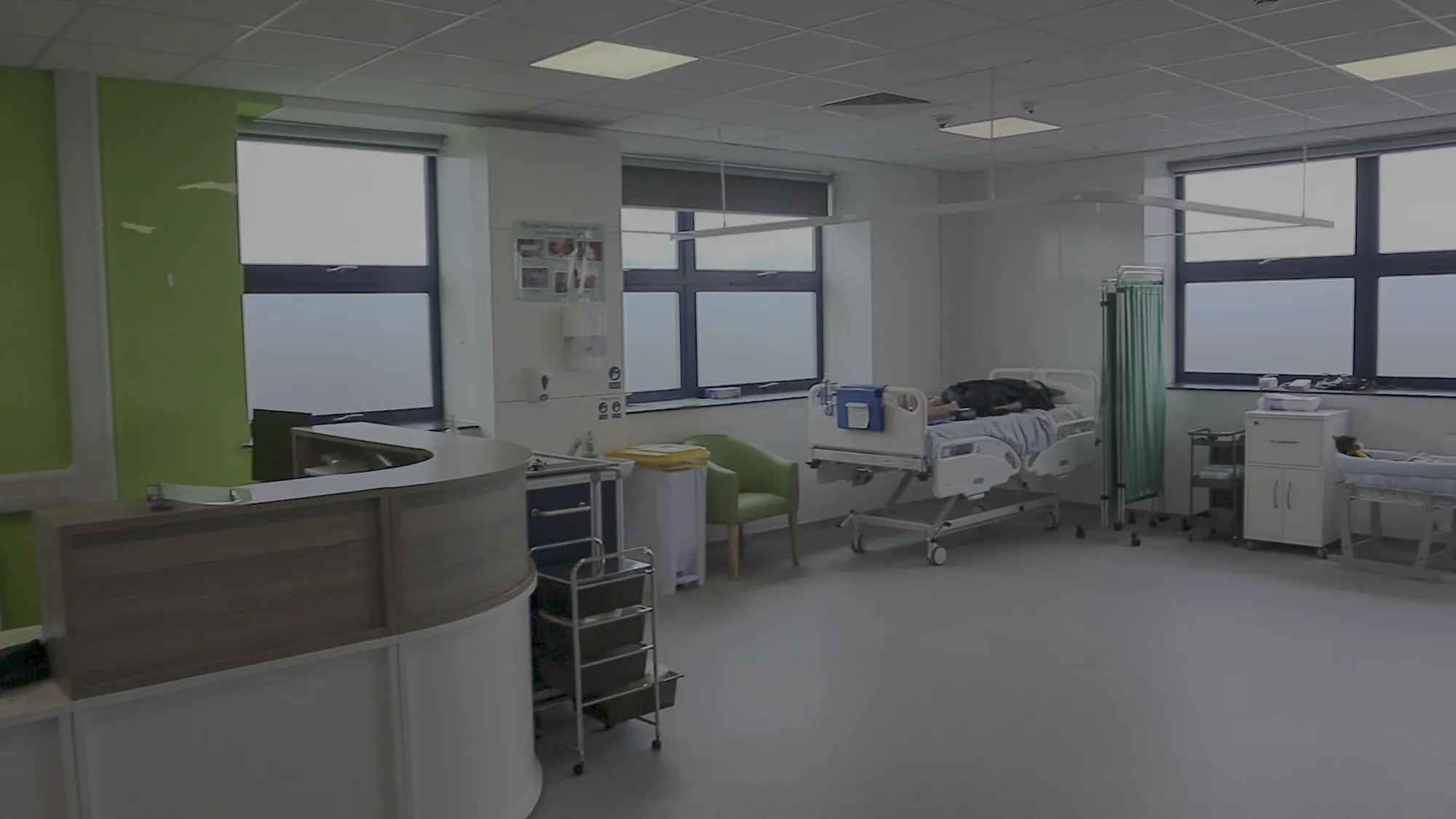
New College Swindon (NHS Set‑Up)
Swindon
T-Level funding enabled an NHS-spec clinical suite with operating theatre, scrub room, clean/dirty linen routes, training wards and a birthing room. AEC worked with the Principal Contractor on technical specifications and drawings.
View projectA strategic document setting out how a large site should develop: land uses, structure, movement, buildable areas and design principles. It sits above individual applications and guides them.
A framework fixes principles and structure; a masterplan develops them into spatial proposals. Frameworks suit sites where flexibility over time matters more than a fixed picture.
It can inform pre-application discussions, support allocations in local plans or be adopted by an authority as guidance, depending on the route chosen. We advise which status serves the site best.
Prescriptive where use conflicts would damage the place, flexible where markets should decide. The framework fixes relationships and quality rather than micromanaging occupiers.
Everyone touching the site: client teams making disposal and phasing decisions, designers of individual plots, planners assessing applications and funders judging the strategy.
It should be. We build in review points so the framework absorbs change on its own terms, keeping the site's logic intact as circumstances move.
From schools to homeowners, we work closely with every client to deliver thoughtful, lasting architecture here’s what they’ve said about working with us.
We’re always up for a new challenge. Whether it’s a home, a school, or something completely unique.