We develop phasing and delivery strategies that allow large or multi-stage schemes to come forward in a manageable, viable way. Our work supports local authority, healthcare, education and commercial clients planning long-term sites.
.webp)
Large sites are delivered over years, and the order of moves matters as much as the plan itself. We develop phasing strategies that sequence development parcels, infrastructure and access so each phase stands on its own: fundable, operational and complete-feeling, while building logically toward the whole.
This is the "should we build?" moment. The team clarifies goals, budget, risks and constraints, explores options (including non-build solutions), and forms the business case. The outcome is a confirmed set of client requirements and a go/no-go decision.
All the groundwork happens here: site information, surveys, statutory context and stakeholder needs are gathered, and the Project Brief and outline programme are agreed. Procurement and planning strategies are sketched so everyone knows the road ahead.
The design team explores options and massing, sets a sustainability approach, and prepares an order-of-cost estimate. Early conversations with planners may begin. By the end of this stage there's a preferred concept that meets the brief and budget.
Look at the whole processGood phasing protects viability through changing markets and funding cycles. Early phases generate value and momentum, infrastructure arrives when it is needed rather than all at once and the site avoids the half-built limbo that erodes confidence and price.
We develop phased delivery approaches that allow projects to progress in stages aligned with funding, demand and infrastructure.
We consider how infrastructure and access requirements are sequenced to support each phase.
Phasing strategy is shaped to support long-term site viability, with parcels sequenced to maintain momentum and value.
Each phase has to stand alone in three ways: fundable, so it can be financed on its own case; operational, so it functions with the access and infrastructure delivered by then; and complete-feeling, so people living or working in it experience a finished place rather than the first instalment of a building site.
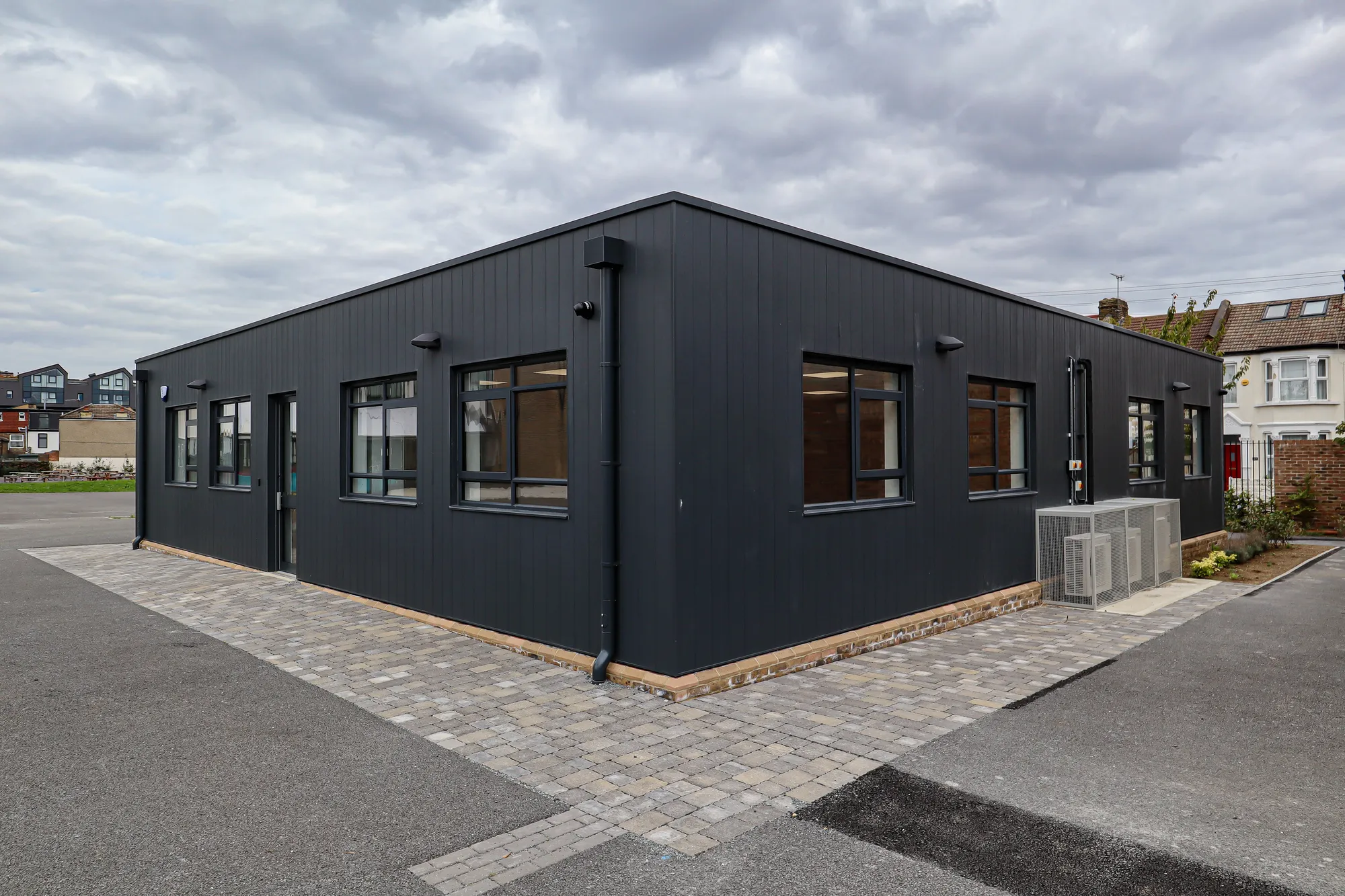
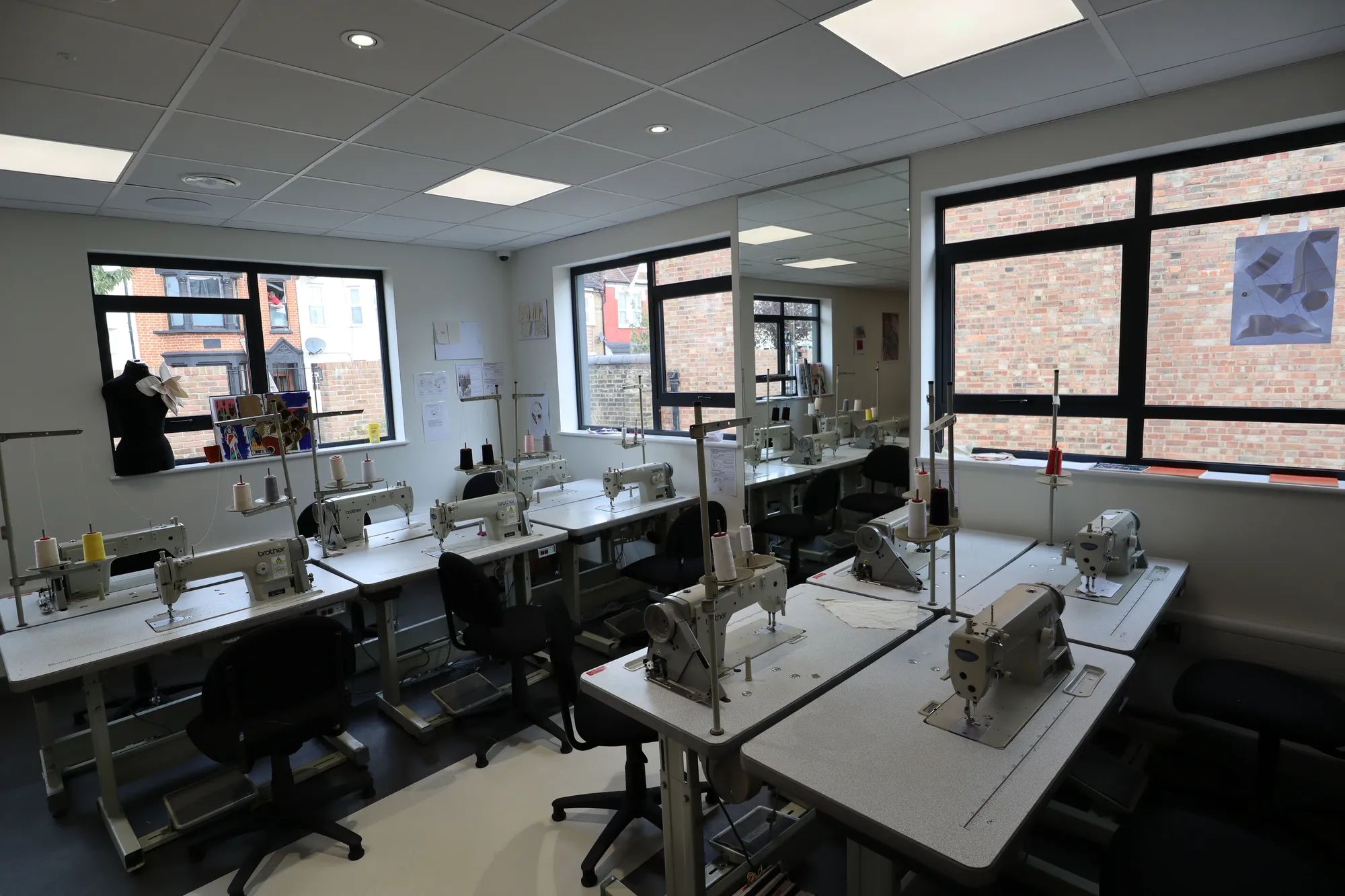
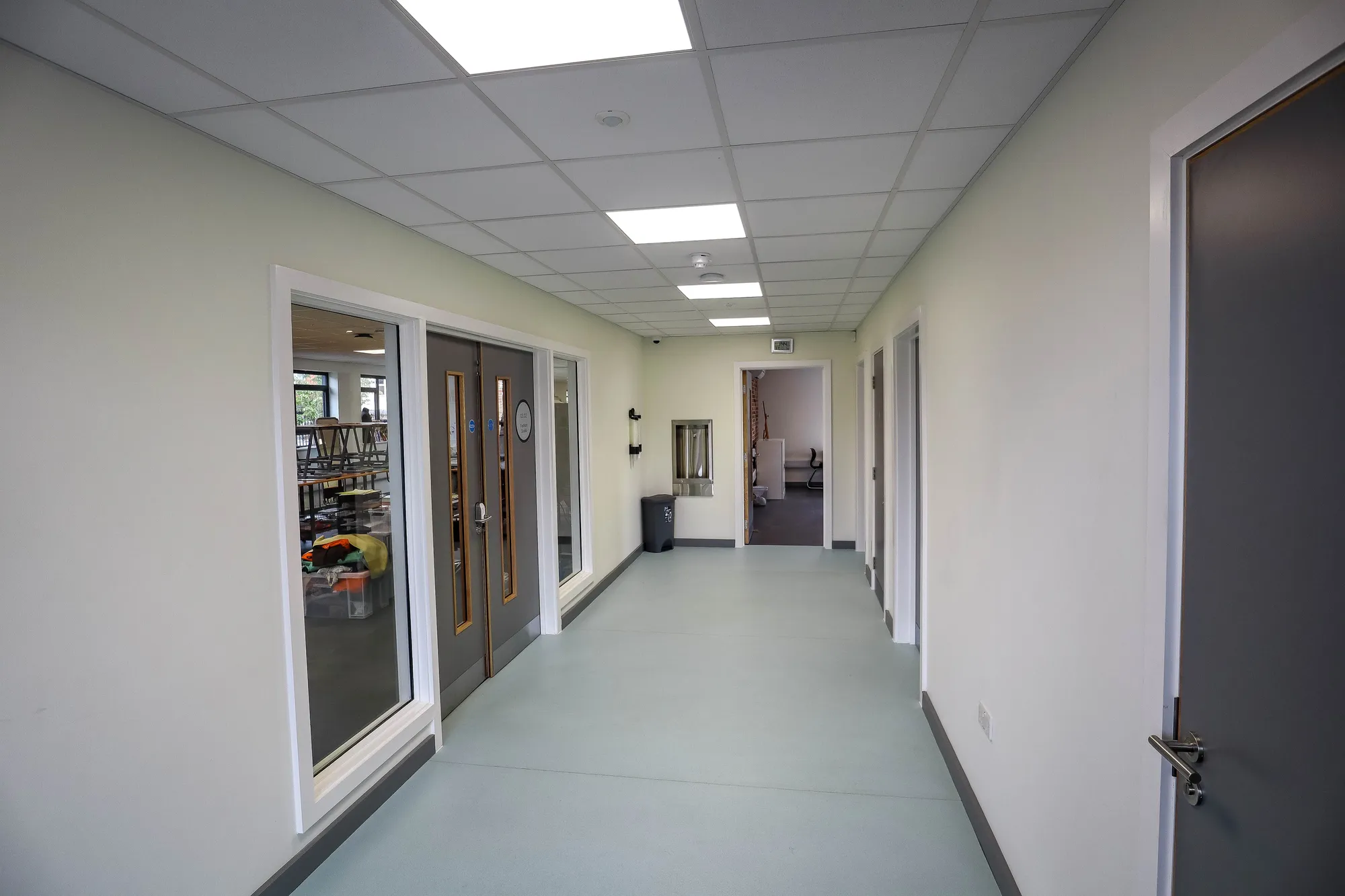
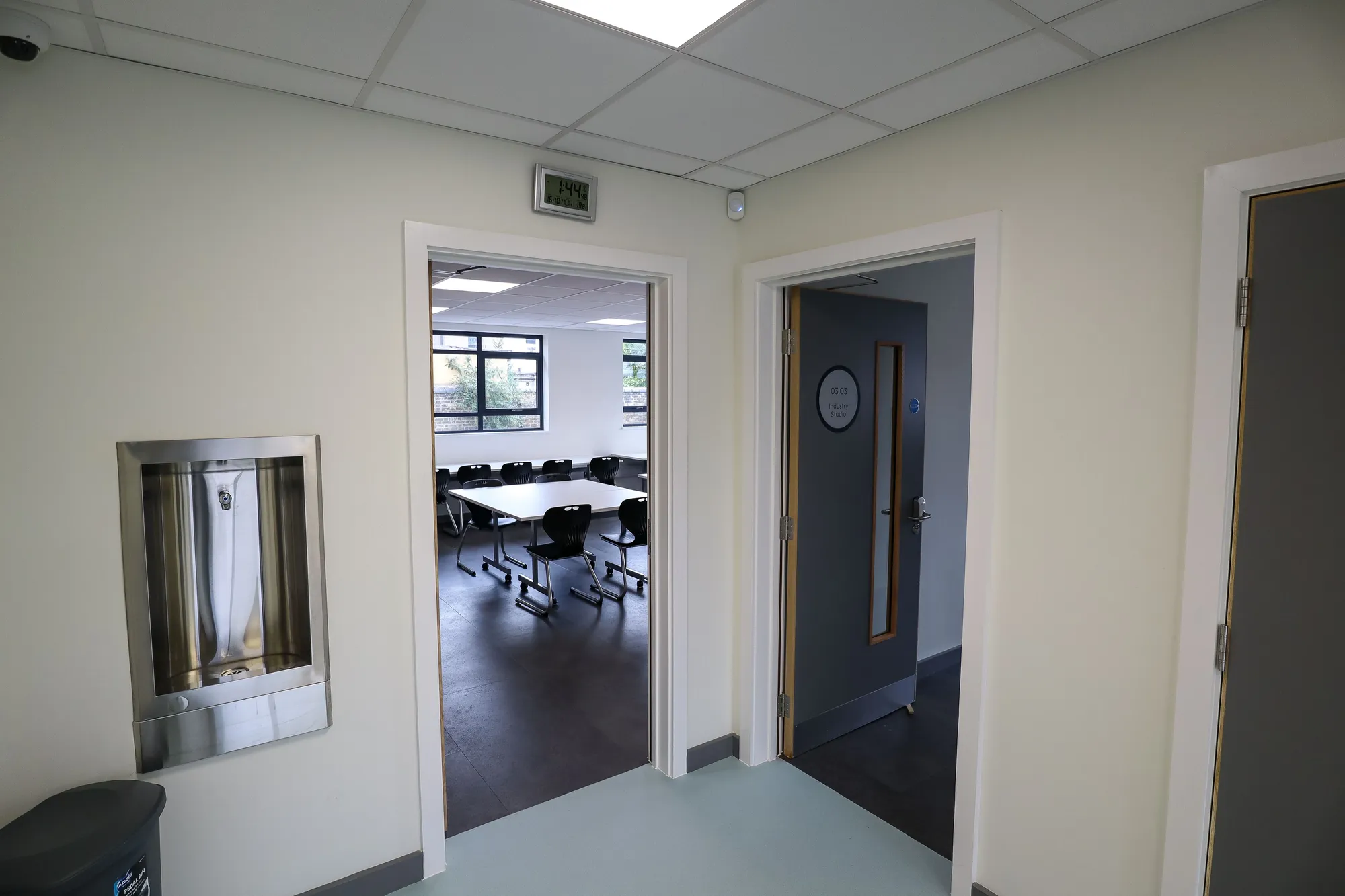
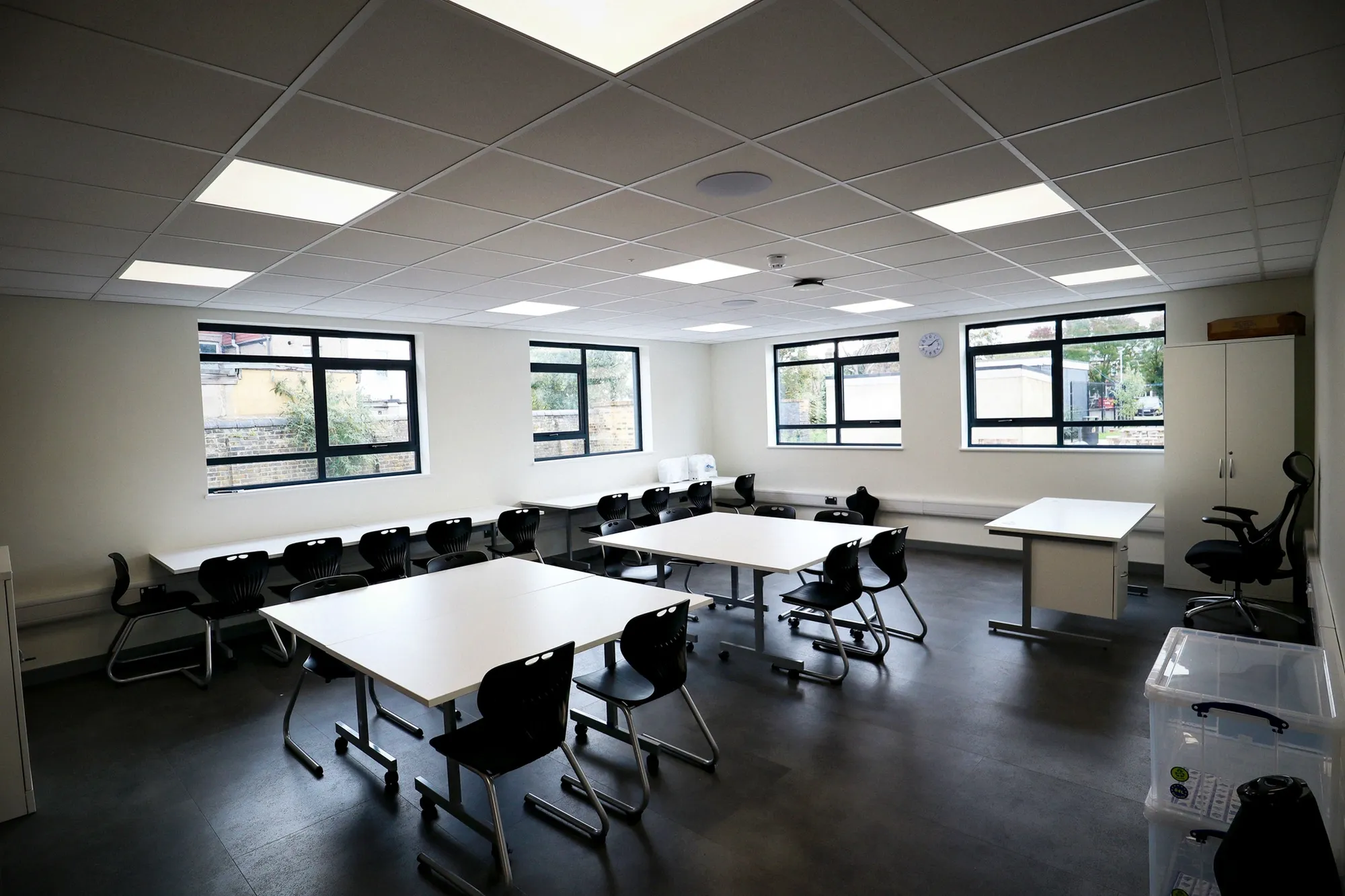
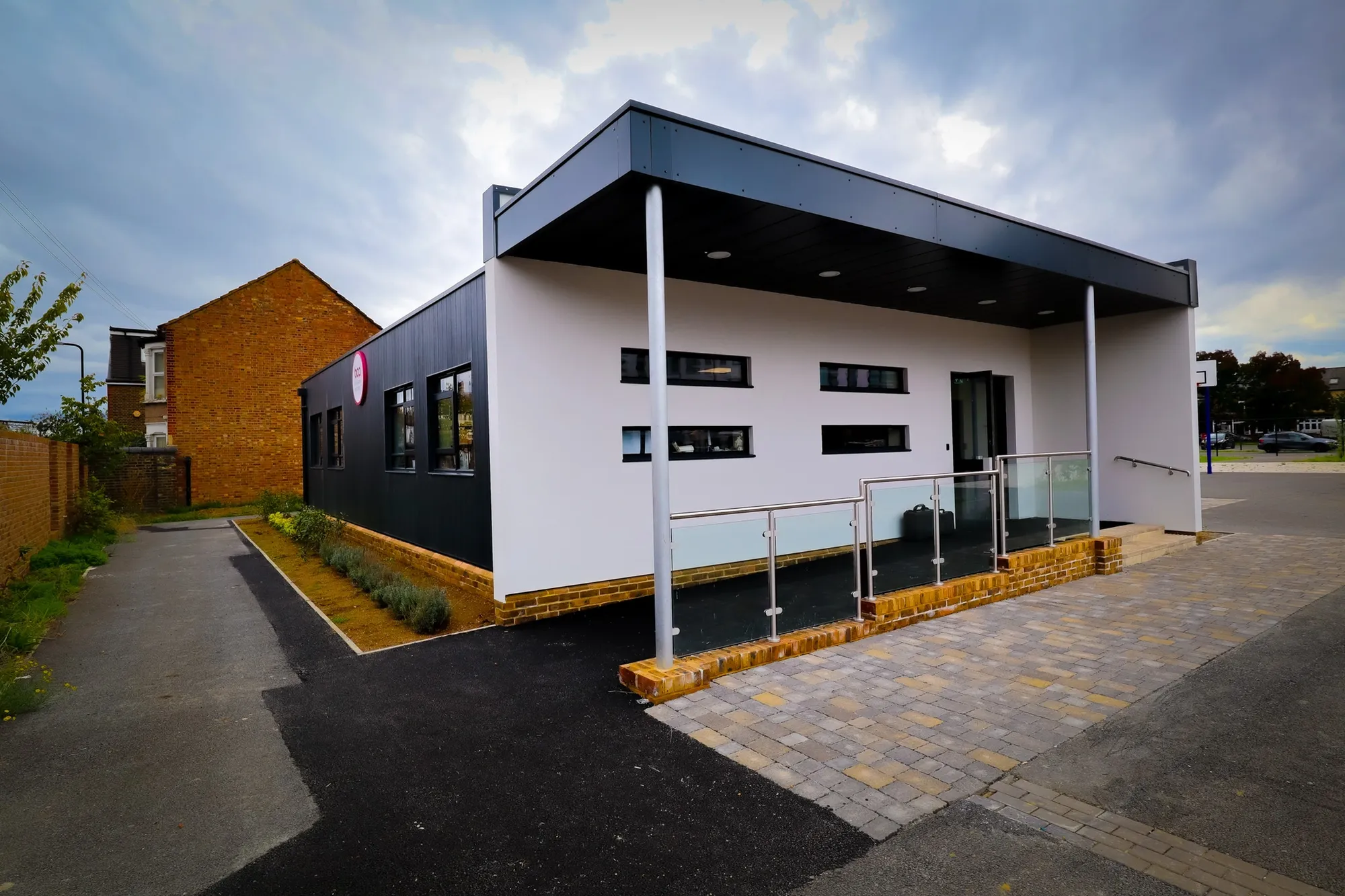
Big Creative Academy
London
Planning secured for a modern teaching block with three fashion studios, a central hub and facilities. AEC led from sketch through planning and technical drawings, then managed construction on site.
View projectOne that delivers visible value quickly, needs the least enabling infrastructure and does not block better options later. First phases set the tone for everything that follows.
By matching capacity to demand phase by phase: roads, utilities and drainage delivered when the development they serve arrives, with trigger points defined so obligations are predictable.
Section 106 obligations and conditions are commonly tied to phase triggers. We design the phasing so obligations land where the scheme can bear them, and the drafting reflects that.
It should be built to. We design in decision points and alternative sequences so the plan can flex on timing and mix without needing fresh consent for every adjustment.
Around continuity of operation: schools, hospitals and estates that must keep running phase by decant and enabling moves, which we plan alongside the development sequence itself.
Phasing plans, a delivery sequence with infrastructure triggers and a narrative linking phases to viability and programme, ready for funders, planners and delivery partners.
From schools to homeowners, we work closely with every client to deliver thoughtful, lasting architecture here’s what they’ve said about working with us.
We’re always up for a new challenge. Whether it’s a home, a school, or something completely unique.