

Borough applications argued properly: strategy, submission and management through to decision, then conditions made workable.
.webp)
Each London borough is its own planning world, applying a distinct local plan under the London Plan's umbrella, with its own officers, committee culture and recent history. Our planning and approvals service works borough by borough accordingly. Strategy comes first: the right application route, the policies in play, the evidence that will be needed and the value of pre-application advice, which typically returns within four to eight weeks. Preparation follows, with drawings, statements and consultant reports assembled into a case rather than a pile. The application is then managed through validation, consultation and negotiation to decision, with statutory targets of eight weeks for minor schemes and thirteen for major ones framing the programme. After consent, conditions and amendments are handled so the permission becomes something a contractor can build from. Refusals are fought where the case deserves it, through appeal.
Design moves from ideas to a coordinated layout. Architecture, structure and building services are aligned so rooms, risers, fire strategy and servicing all work together. The result is a frozen arrangement with updated cost and risks understood. Planning applications are typically prepared and submitted at the end of this stage.
Look at the whole processShort and documented. An outline through the contact form or to info@aecarchitecture.co.uk, the site, the proposal, the borough and any history, lets AEC give an initial view on route and prospects. A conversation follows, then a written scope covering strategy, preparation, submission and management through to decision, with the fee basis alongside. Where the design is still forming, planning work runs beside it and shapes it; where a scheme arrives finished, it is reviewed against borough and London Plan policy before submission, because adjusting a drawing costs days and appealing a refusal costs seasons. Once the scope is accepted, the strategy work starts immediately and the submission is programmed around it.
Through the Academy Estate Consultants group, planning specialists shape London applications before they exist: route, evidence, likely objections and the borough's recent behaviour all inform the submission. Discovering those things through a refusal is the expensive alternative, and it is avoidable more often than applicants assume.
Officers respond to applications that make their job easy: complete, ordered, honest about impacts and clear about mitigation. The practice's funded public sector work has made that standard habitual, and London submissions benefit from it, particularly where committee scrutiny or neighbour interest raises the temperature around a scheme.
Based in Billericay, the practice works across London's boroughs as part of its regular ground, from Harrow to Enfield and Ilford. Meetings, site visits and committee attendance are practical rather than exceptional, and repeated dealings with borough procedures keep expectations realistic from day one of an application.
First by trying not to need them: strategy, pre-application advice and negotiation resolve most problems before a decision is issued. Where refusal comes anyway, the response is forensic rather than emotional. The reasons are read closely, the officer's report is tested against policy and the options are weighed: amend and resubmit where the objection can be answered, appeal where the decision is wrong on the merits. Appeals are prepared as cases, with evidence marshalled and the architectural design defended on its planning virtues rather than its aesthetics alone. Sometimes the honest advice is to change the scheme; when it is, that advice is given plainly, with the alternative route mapped.
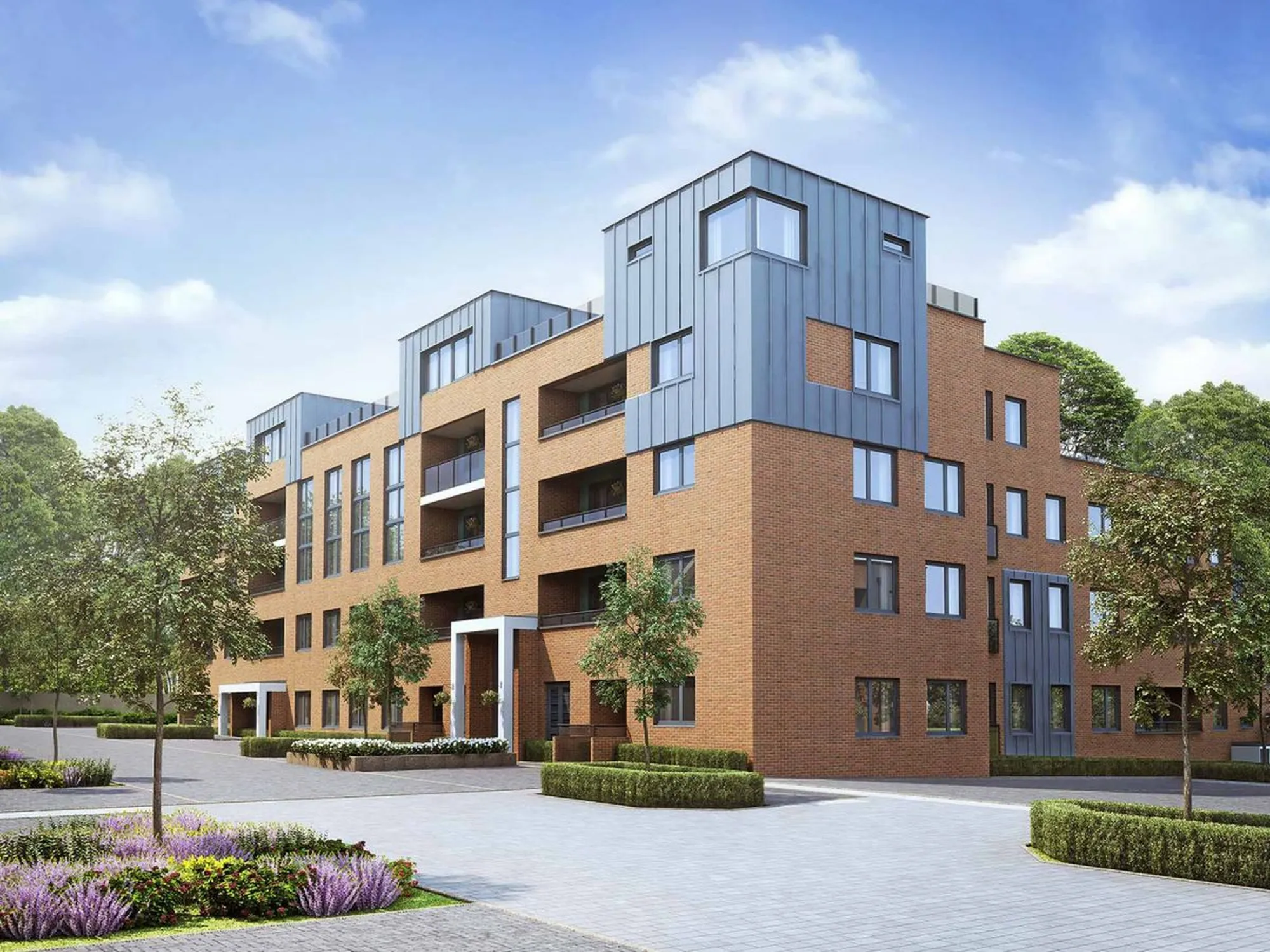
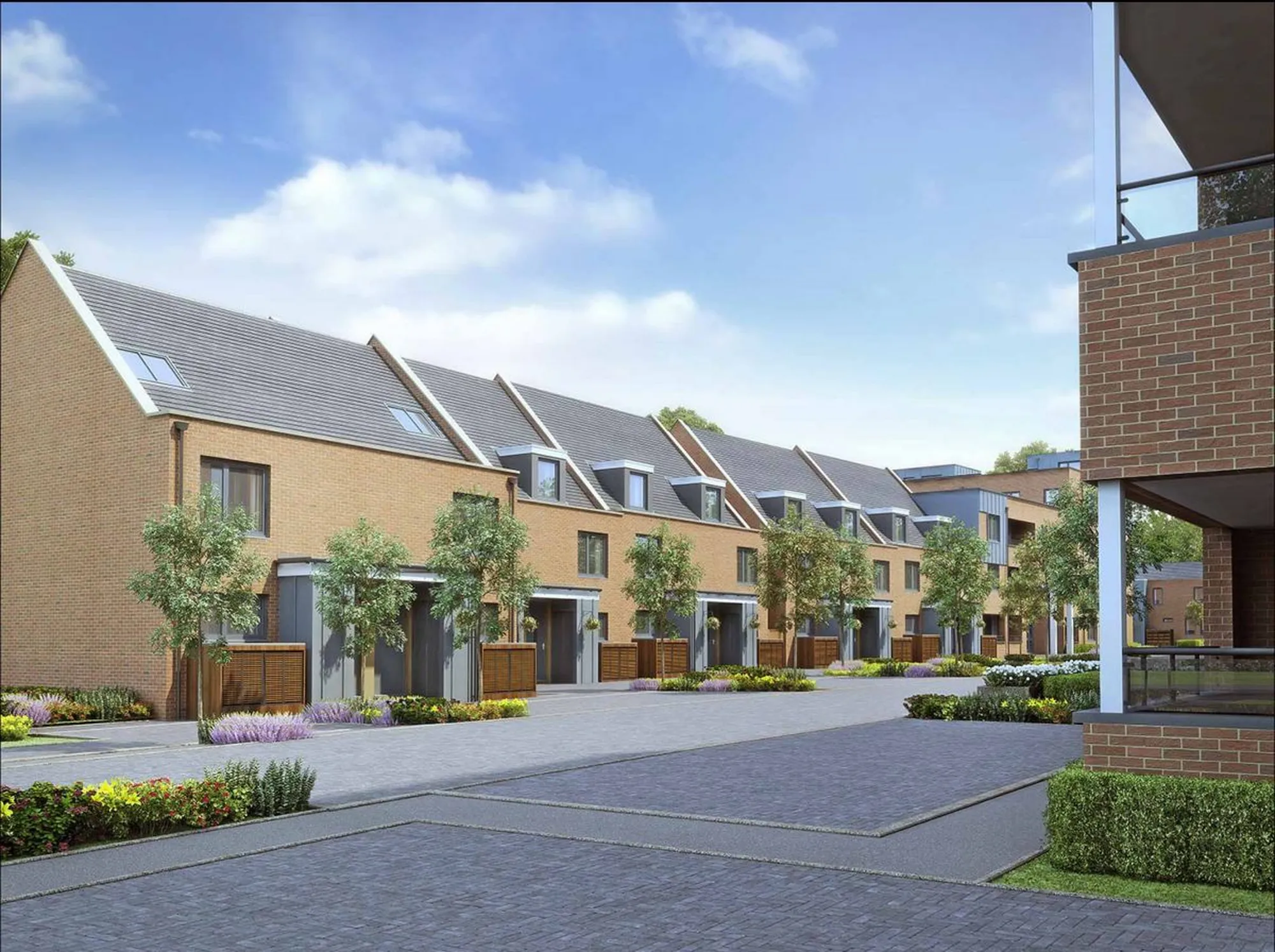
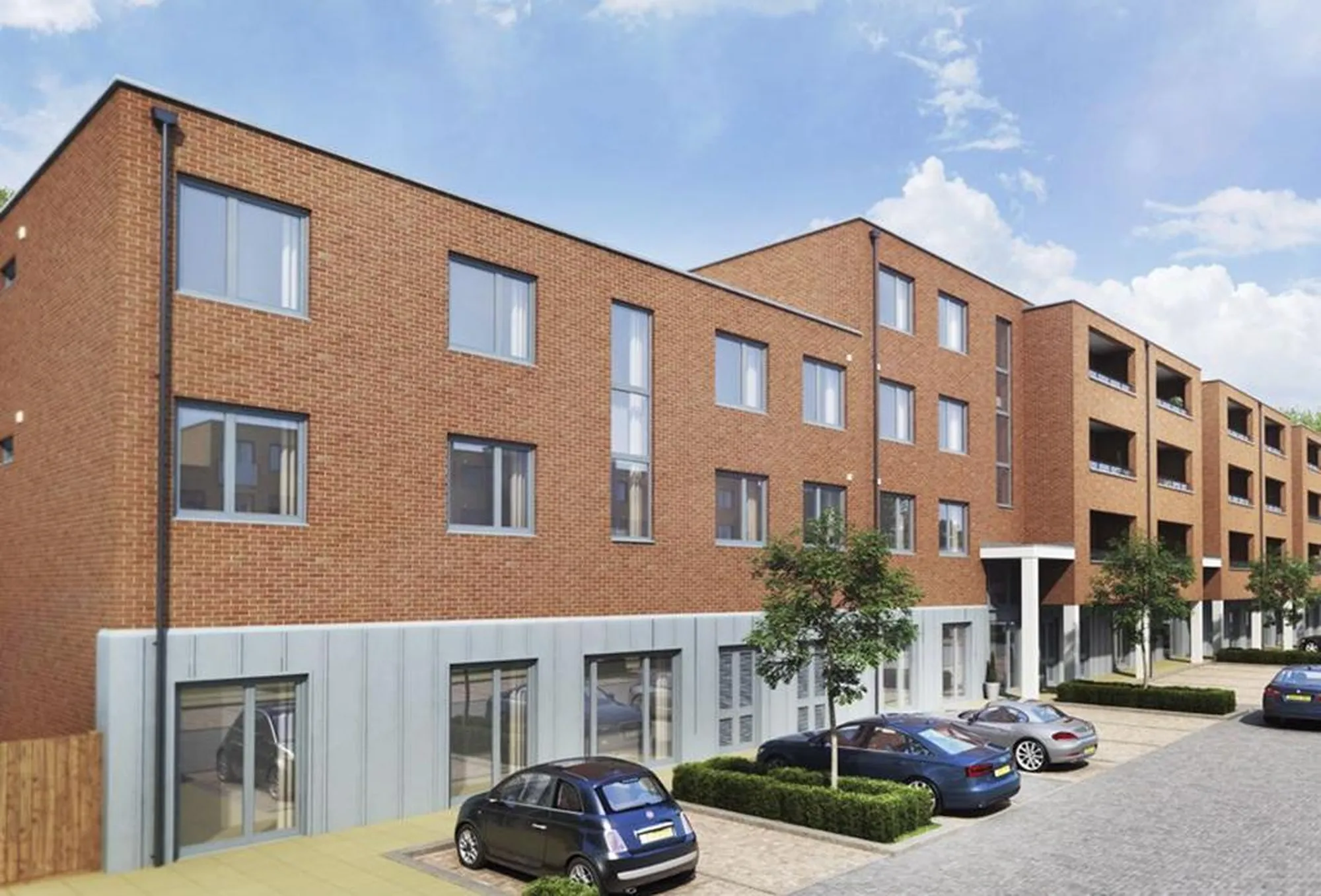
Barratts – ColArt, London
London
Major residential development of approximately 220 plots—mix of flats, houses and bedsits—with external communal areas, delivered by a leading UK housebuilder over a two-year period. AEC supported planning and assisted in clearing condition
View projectStrategy, preparation, submission and management of applications through to decision, then conditions, amendments and appeals where needed. In London that means borough-specific policy work, pre-application advice where valuable, coordination of consultant evidence and negotiation with officers. The scope for each project is defined and agreed in writing before work begins.
The borough where the site sits: each council determines applications for its own area under its local plan and the London Plan. Procedures, committee practices and policy emphases differ between boroughs, so the application strategy is built around the specific borough, its plan and its recent decisions rather than London generally.
Statutory targets give boroughs eight weeks for minor applications and thirteen for major ones, with extensions agreed where negotiation helps. Pre-application advice typically takes four to eight weeks before that. Actual timescales vary with borough workload and scheme complexity, so programmes are built around the targets, not on hope.
AEC's fee follows the agreed scope and is usually fixed: strategy, preparation, submission and management through to decision, with appeals or renegotiation scoped separately if they become necessary. The borough's own application fee is separate, set nationally by application type and scale. Both sit in writing before anything is submitted.
Yes. Where a planning consultant already leads, AEC provides the design and technical side of the submission and coordinates closely; where AEC leads planning, other consultants slot in the same way. Roles are mapped in the written scope so the borough hears one coherent case rather than competing voices.
A conversation about the site, the proposal and the borough, followed by an initial view on route and prospects. A written scope and fee proposal comes next. Once accepted, strategy work begins: policy review, evidence planning and, where worthwhile, a pre-application approach to the borough before anything is formally submitted.
From schools to homeowners, we work closely with every client to deliver thoughtful, lasting architecture here’s what they’ve said about working with us.
We’re always up for a new challenge. Whether it’s a home, a school, or something completely unique.



We maintain involvement from earlier stages or provide targeted support during construction, ensuring design intent is carried through on site.
We support contractor coordination, respond to site queries and provide ongoing technical input to keep projects on programme and aligned with design objectives.
Our services can be adapted to suit project requirements, whether providing full support or working alongside existing teams.
It covers the practical input a project needs once work starts on site, including responding to contractor queries, reviewing information, coordinating across the team and providing ongoing design advice so the approved design is delivered as intended.
Yes. We can provide targeted support at construction stage even if we were not involved earlier, working alongside your existing contractor and consultants within the structures already in place.
Involvement is scaled to the project, from answering occasional technical queries through to regular site support. We agree the level of service and fee basis with you at the outset so costs stay predictable.
From schools to homeowners, we work closely with every client to deliver thoughtful, lasting architecture here’s what they’ve said about working with us.
We’re always up for a new challenge. Whether it’s a home, a school, or something completely unique.