We provide planning strategy and advice that helps clients identify the most appropriate route through the planning system. Our work supports commercial, local authority, healthcare and education projects from concept through to submission.
.webp)
Before a site is bought or a brief is fixed, the planning question is the biggest unknown. We review local policy, constraints and precedent at the earliest stage and advise on the most realistic route to consent, from permitted development and change of use through to full applications, with the risks of each stated plainly.
This is the "should we build?" moment. The team clarifies goals, budget, risks and constraints, explores options (including non-build solutions), and forms the business case. The outcome is a confirmed set of client requirements and a go/no-go decision.
All the groundwork happens here: site information, surveys, statutory context and stakeholder needs are gathered, and the Project Brief and outline programme are agreed. Procurement and planning strategies are sketched so everyone knows the road ahead.
Look at the whole processEarly strategy shapes everything downstream: what to pay for a site, what scale to brief for, when consent can realistically land. It gives feasibility work a planning-grounded foundation instead of a hopeful one.
We review local planning policy and site constraints to identify the most appropriate planning route for each project.
Where appropriate, we assess permitted development rights and change-of-use strategies to find the most efficient way forward.
We develop pre-application strategies that engage the planning authority early and reduce risk before formal submission.
It sets the assumptions everything else is built on: what a site is worth paying for, what scale the brief should target and when consent can realistically be expected. Projects that skip this step inherit those assumptions anyway, just untested, and usually discover the difference at the most expensive possible moment.
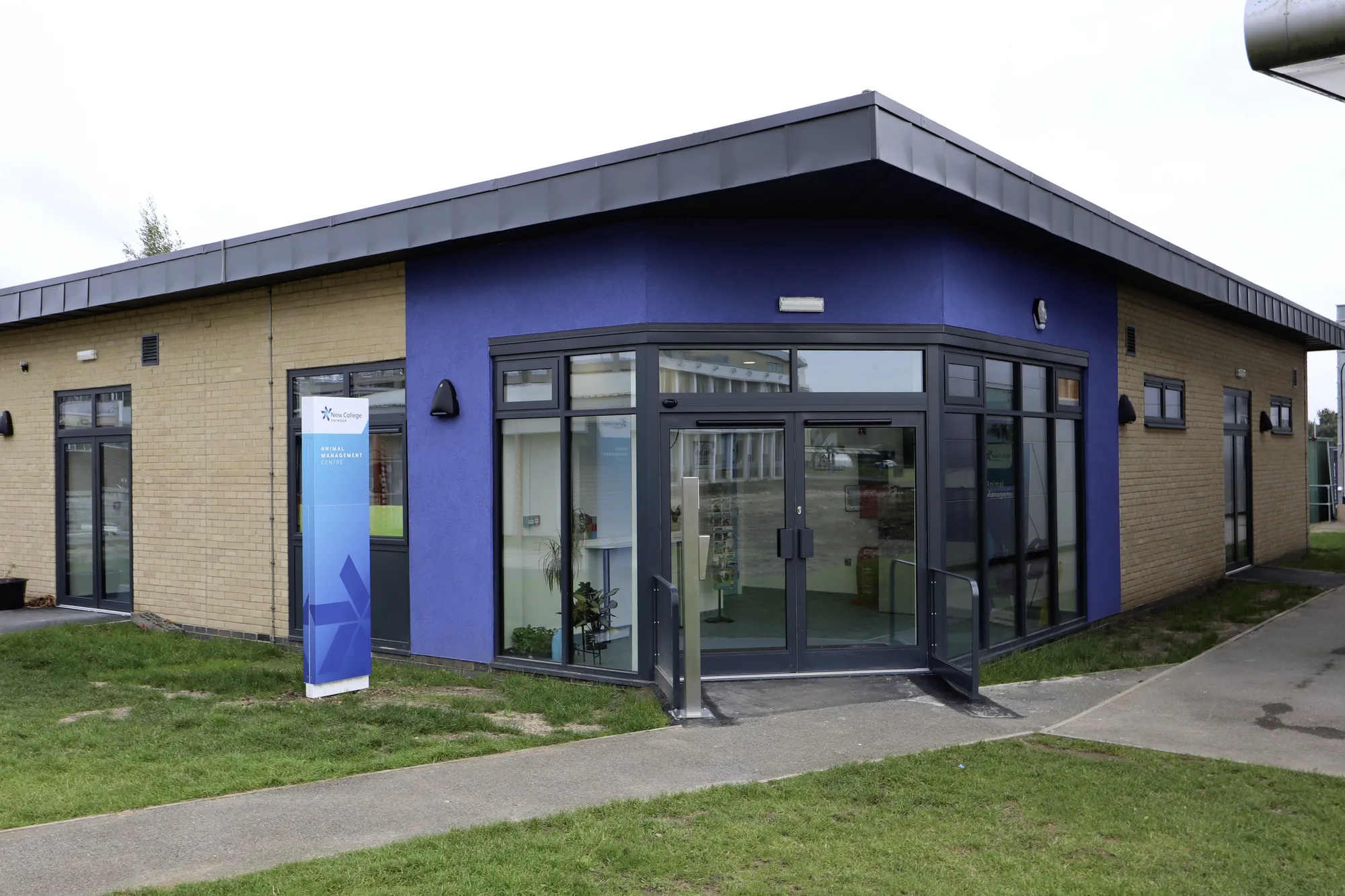
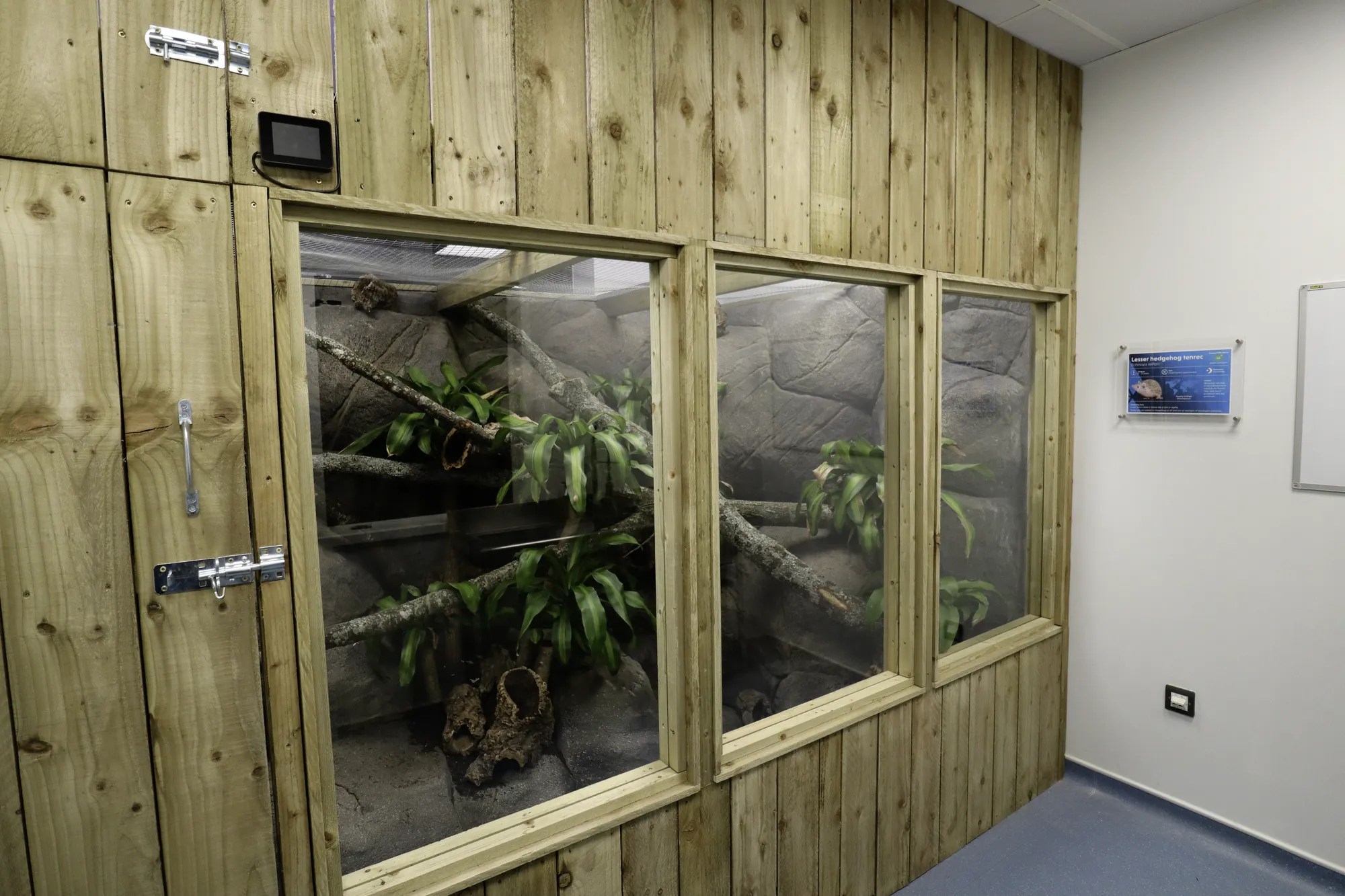
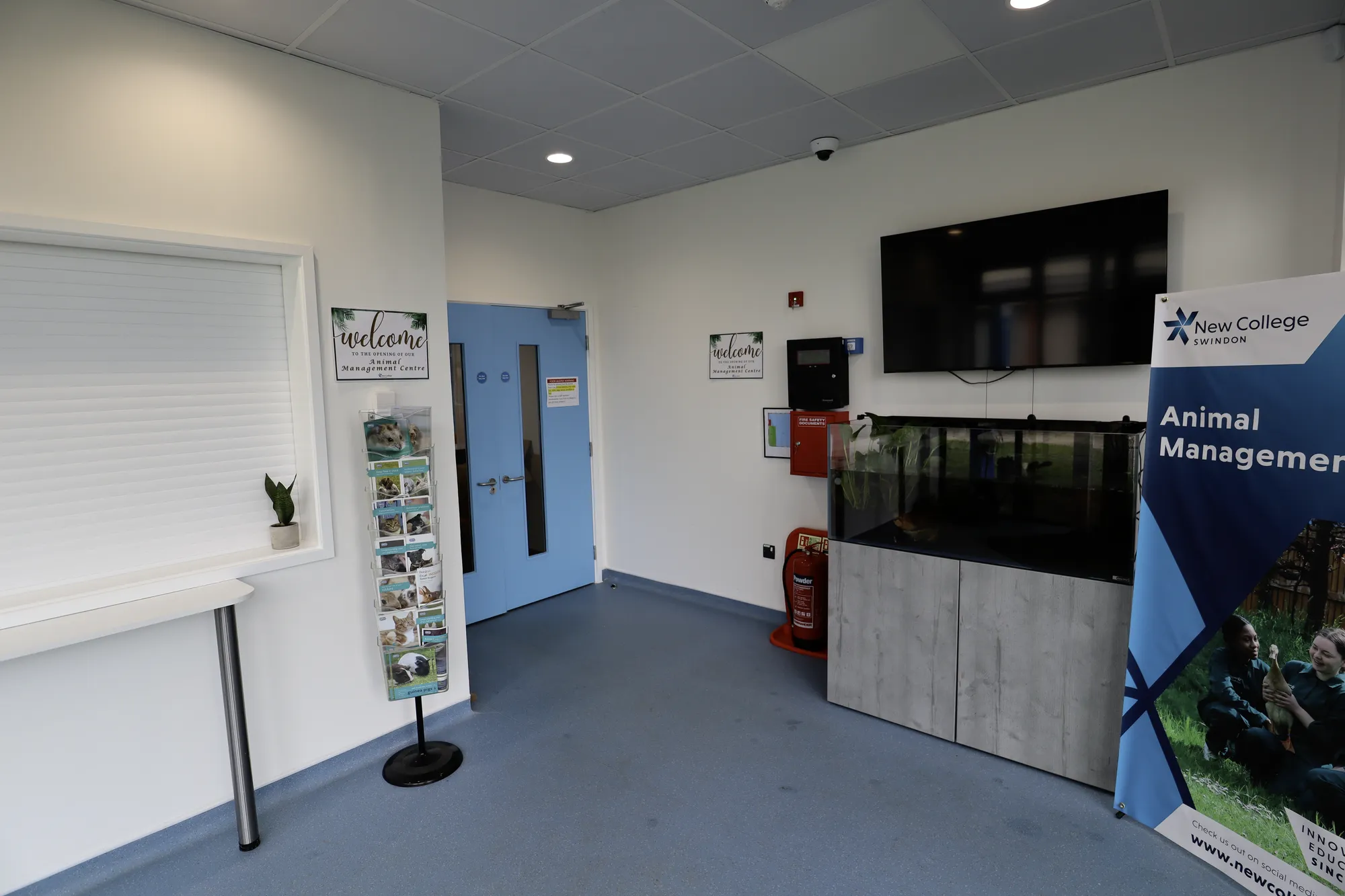
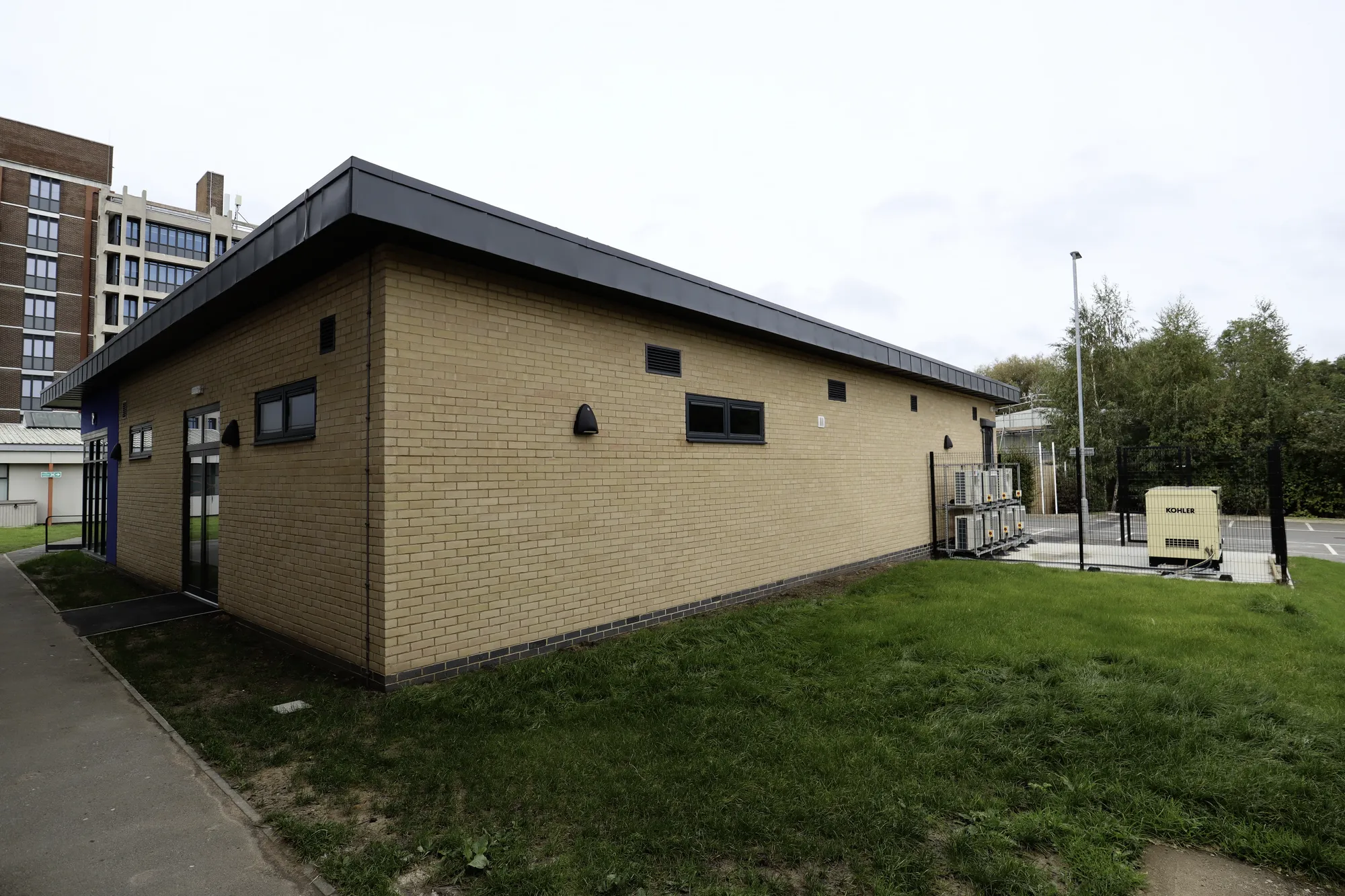
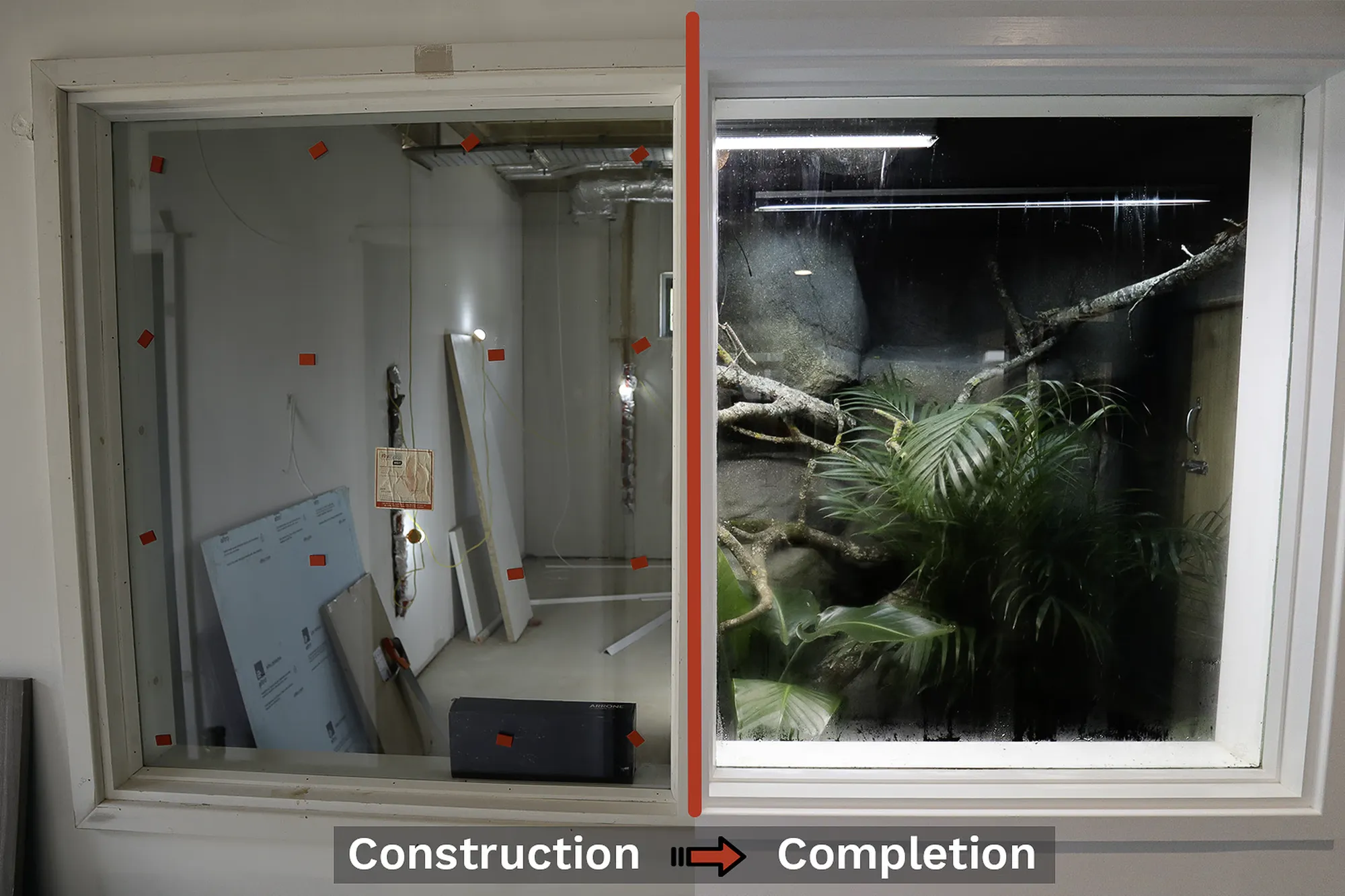
New College Swindon (Animal Centre)
Swindon
Replacement animal centre modernises teaching rooms and adds welfare areas for viewing and care. AEC delivered end-to-end: secured funding, achieved planning, obtained Building Regulations approval, and provided administrative support.
View projectFrom the moment a site is identified. Even before surveys exist, policy, designations and planning history support a meaningful view of the likely route and risk.
Directly. The realistic consentable development defines the site's value to you. Strategy work replaces assumption with an evidenced view before the price is agreed.
Possibly, depending on the existing use, building and location. We check the applicable rights and their conditions as a standard part of the review, since they can transform both programme and cost.
Then you need to know early. We set out the gap, the prospects of bridging it through design or negotiation and the fallback positions worth holding.
Yes. On larger or contentious sites we work alongside specialist planning consultants, providing the architectural and site-capacity input their strategy needs.
Strategy defines the planning envelope; feasibility tests what can be delivered inside it. Together they tell you what the site is really worth pursuing.
From schools to homeowners, we work closely with every client to deliver thoughtful, lasting architecture here’s what they’ve said about working with us.
We’re always up for a new challenge. Whether it’s a home, a school, or something completely unique.