We refine proposals through structured design review and iteration, responding to client, stakeholder and planning feedback. Our work supports projects where the design needs to evolve while design intent is held.
.webp)
Good schemes are refined, not just drawn. We run structured review cycles as designs develop, taking input from clients, stakeholders and consultees and folding it back into the proposal. Each iteration is deliberate: what changed, why, and what it means for cost, programme and consent.
The design team explores options and massing, sets a sustainability approach, and prepares an order-of-cost estimate. Early conversations with planners may begin. By the end of this stage there's a preferred concept that meets the brief and budget.
Design moves from ideas to a coordinated layout. Architecture, structure and building services are aligned so rooms, risers, fire strategy and servicing all work together. The result is a frozen arrangement with updated cost and risks understood.
Look at the whole processThe discipline protects design intent through change. Feedback is absorbed where it improves the scheme and challenged where it does not, so the design that emerges from review is stronger than the one that went in, not merely different.
We refine proposals as they progress, addressing comments and resolving questions from the project team.
Iterative design development incorporates client and stakeholder input at each stage.
We maintain the integrity of the design intent while resolving practical challenges and external feedback.
At the natural decision points: before a stage closes, before a submission is made and whenever significant feedback lands. Reviewing at these moments means change is absorbed while it is still cheap, rather than discovered late when the choice is between an expensive rework and a compromise nobody wanted.
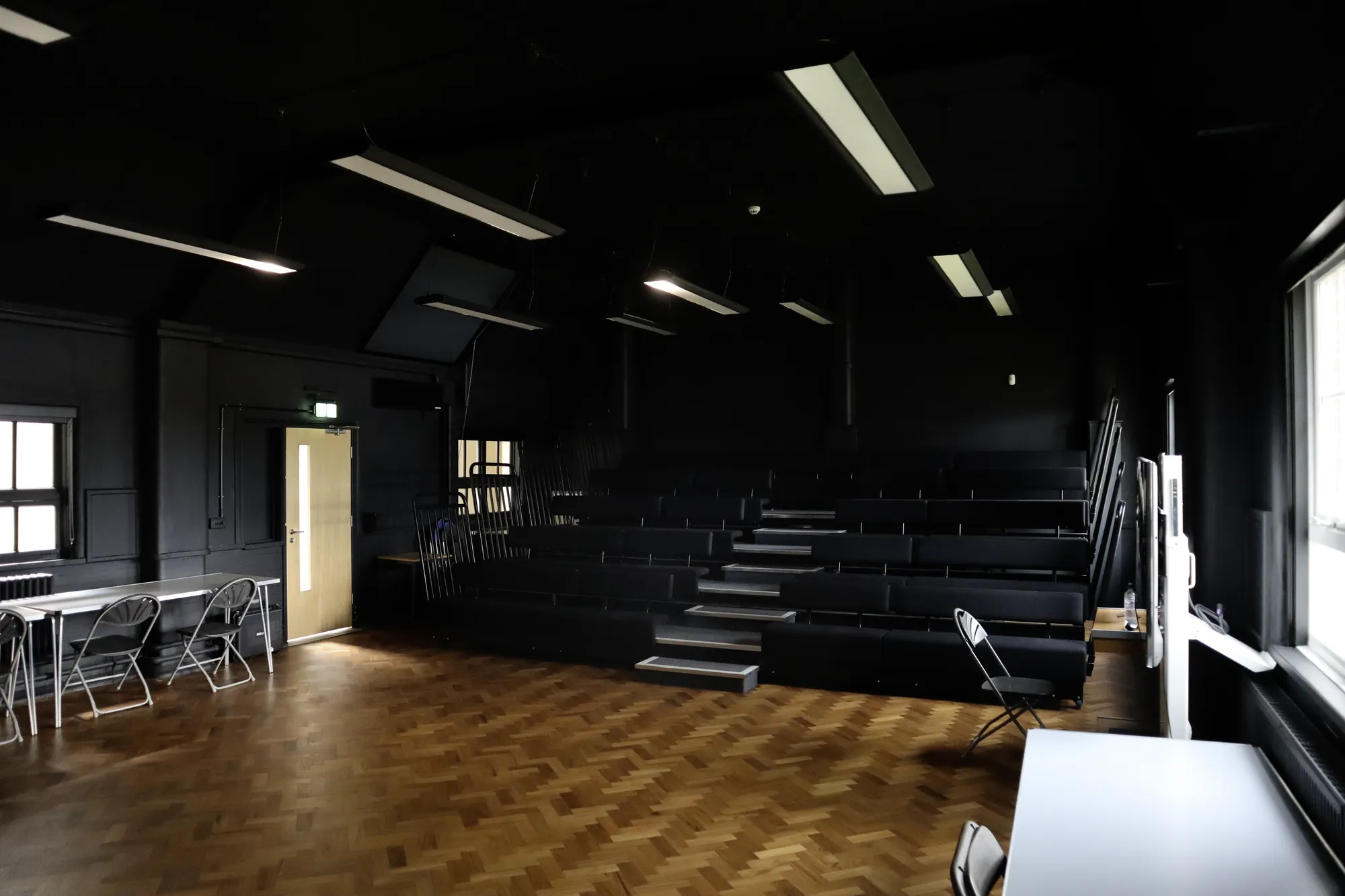
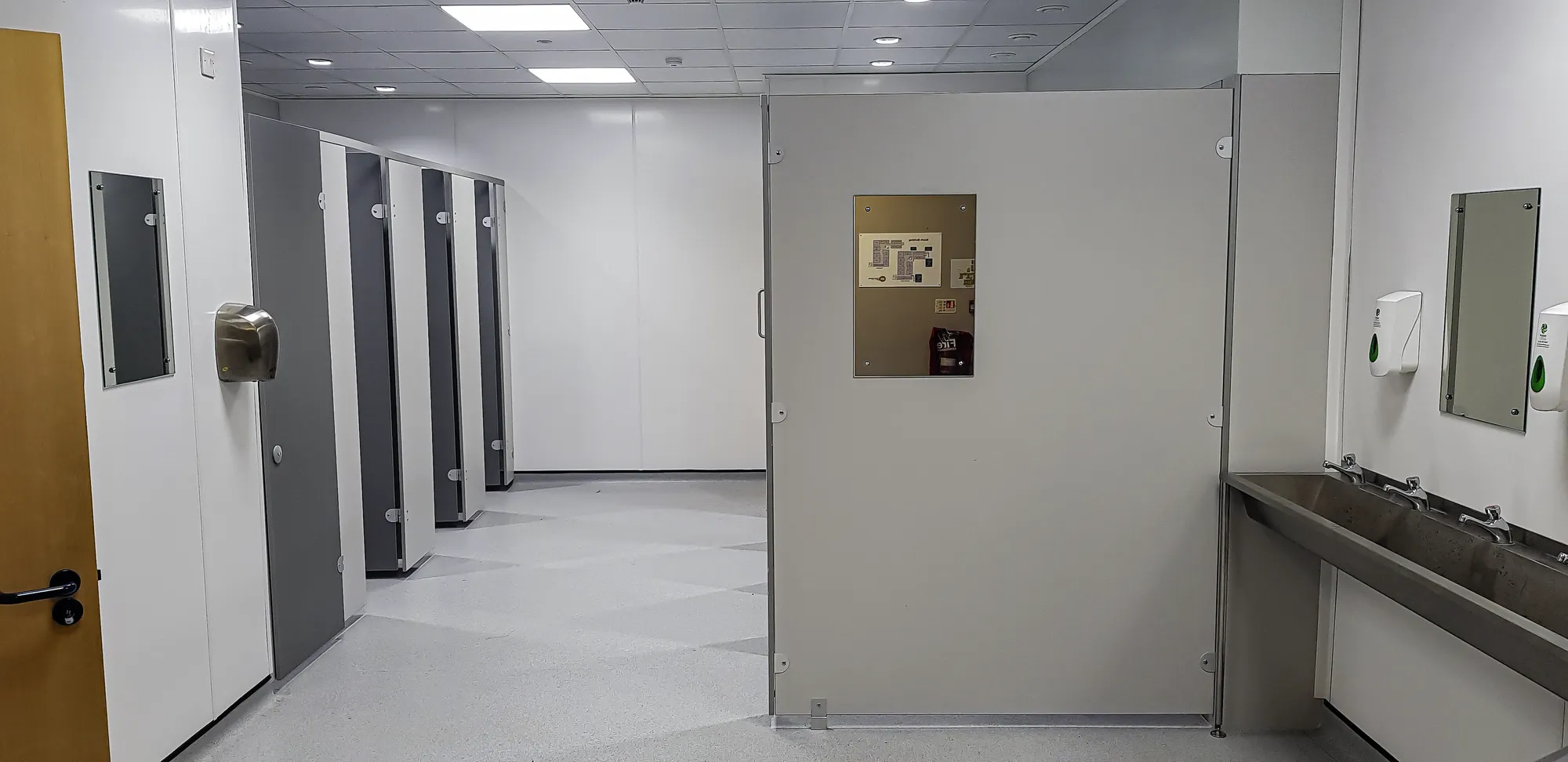
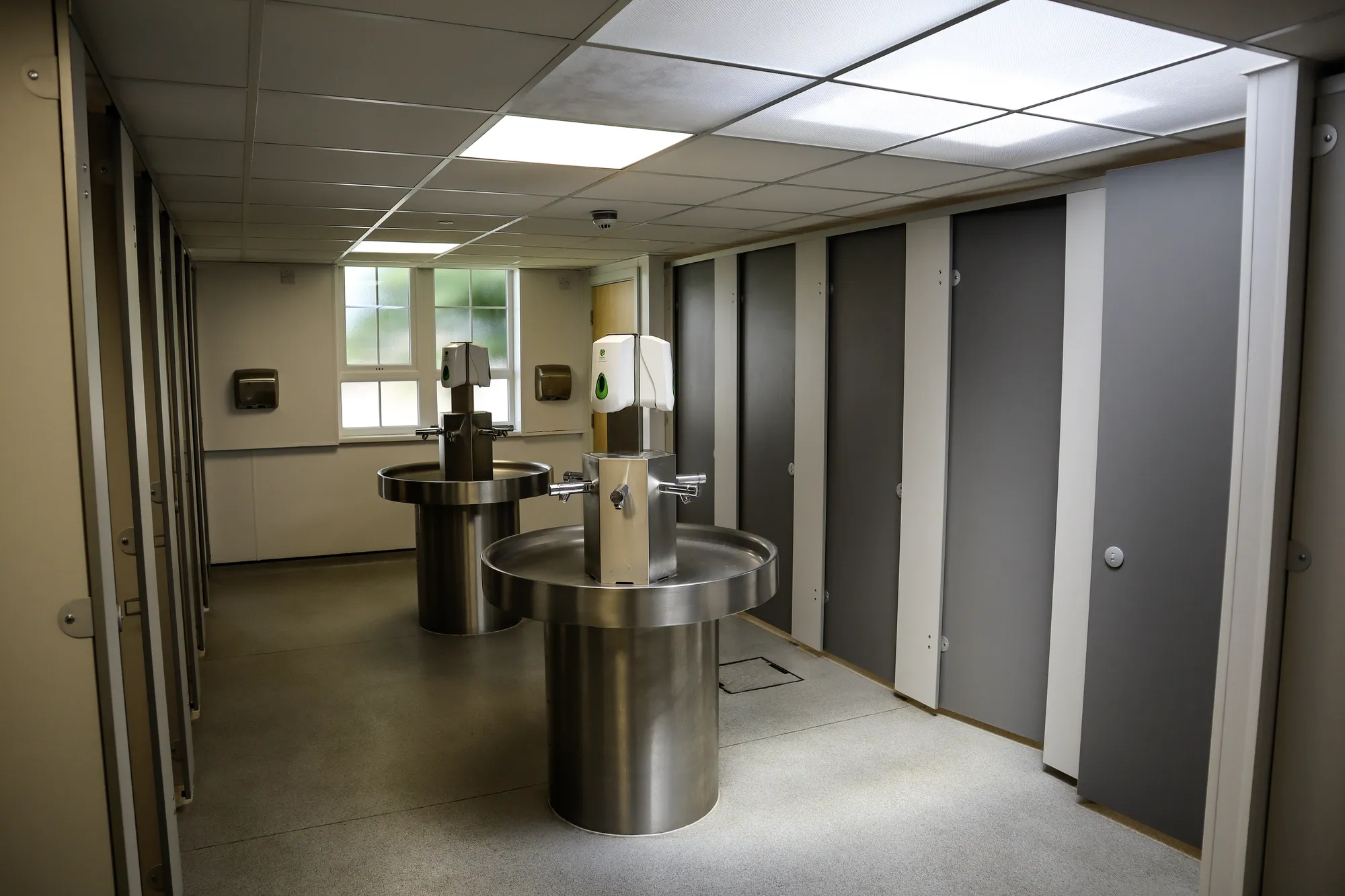
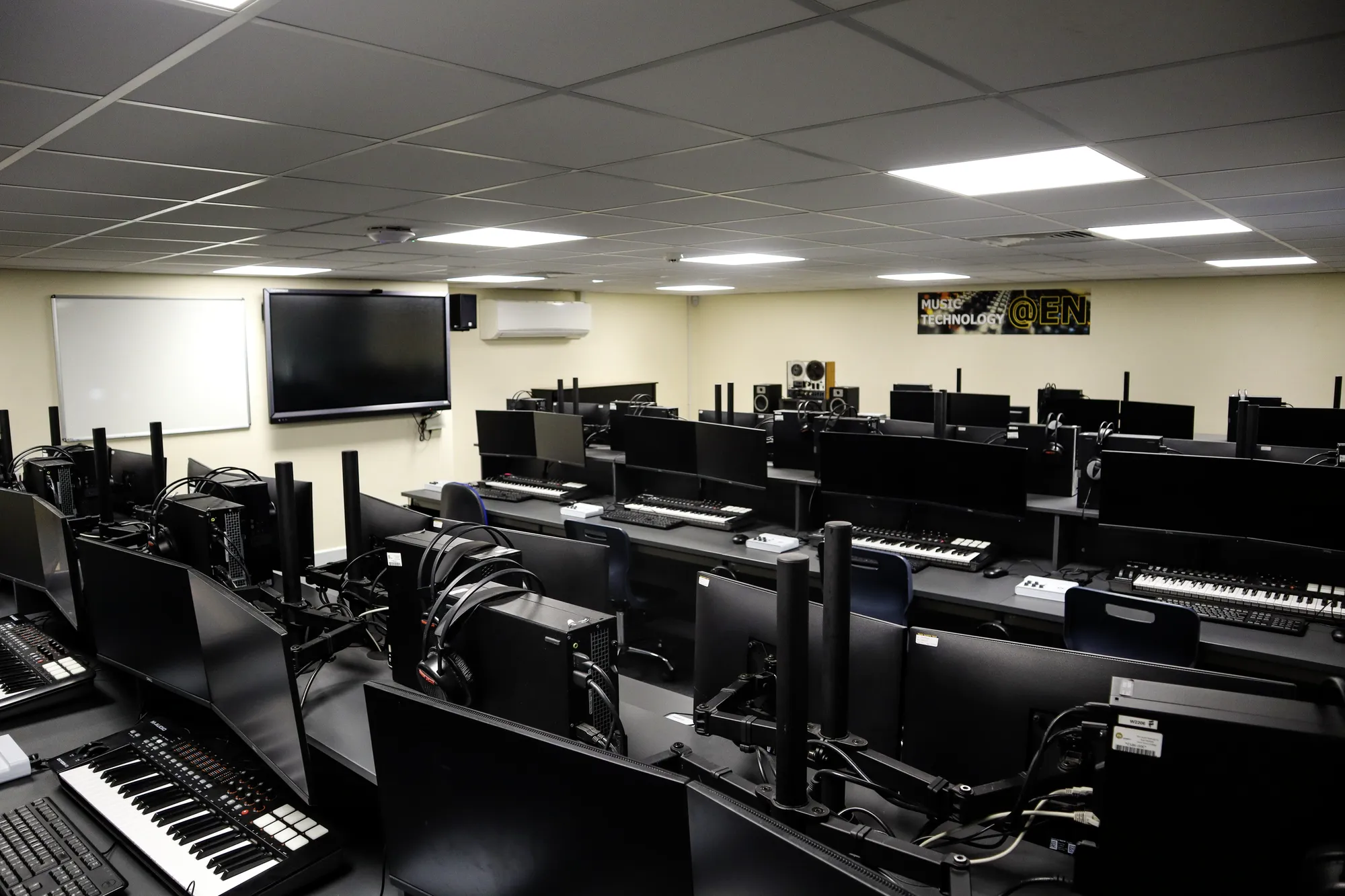
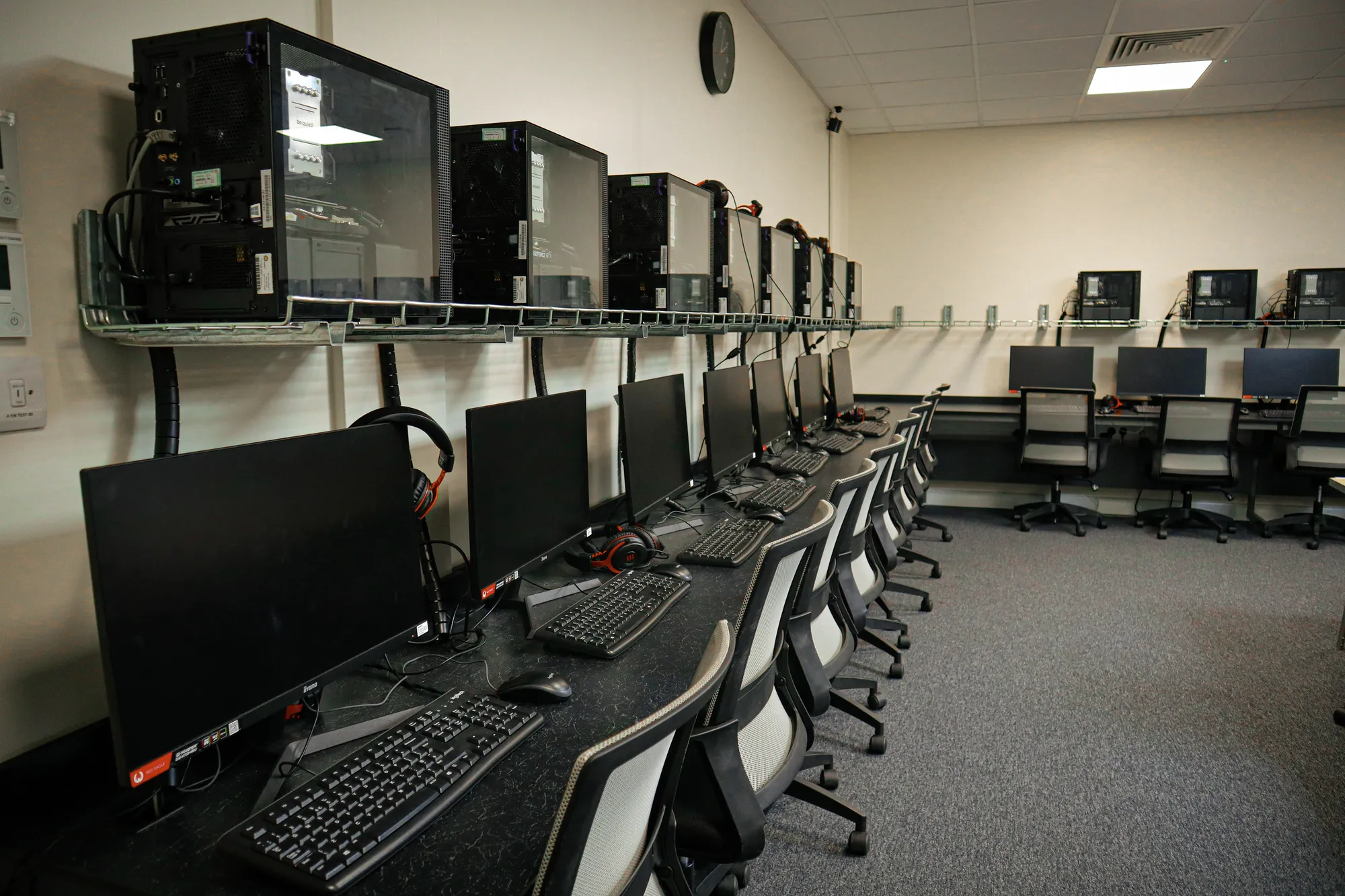
East Norfolk College (Various Areas)
Norfolk
Three-year campus programme: courtyard infills creating teaching space, auditorium upgrades, a two-storey CDT block, and a nursery and animal centre. Planning secured in phases, with project management alongside the Principal Contractor.
View projectThe design is issued with clear questions, feedback is gathered from the agreed reviewers, and a documented iteration follows showing what changed and why. Rounds continue until the design is fixed for the next stage.
Decision-makers, end users and the consultants whose disciplines the design touches. Involving users early surfaces operational issues while they are still cheap to fix.
By fixing decisions stage by stage. Each review round closes specific questions, and reopening a closed decision requires a reason that outweighs the cost of change.
We map the conflict, set out the options and their consequences and recommend a resolution. The client makes the call with full information rather than the loudest voice winning by default.
Planning comments are treated as a design input like any other: assessed for weight, answered through amendment where justified and defended where the scheme is right as drawn.
A defined number of review cycles is built into each stage of our scope. Additional rounds can be added where a project needs them, agreed before the work is done.
From schools to homeowners, we work closely with every client to deliver thoughtful, lasting architecture here’s what they’ve said about working with us.
We’re always up for a new challenge. Whether it’s a home, a school, or something completely unique.