We work alongside client-appointed consultants and teams, integrating into existing project structures. Our work suits clients with established delivery teams who need an architectural partner that adapts to them.
.webp)
Many clients arrive with a delivery team already in place: project managers, engineers, cost consultants and contractors with established ways of working. Collaborative working means joining that structure rather than rebuilding it. We take on the architectural role within your arrangements, adopt your reporting lines and add capability without adding friction.
Off-site fabrication and on-site build proceed under the contract, with the design team answering queries, inspecting quality and tracking compliance as details are finalised.
Systems are commissioned and tested, snags are resolved, and as-built information is issued as the building moves into use and aftercare.
Look at the whole processIntegration starts with clarity about roles: who leads design, who coordinates, who signs off. We agree interfaces with each discipline at the outset, work to the programme and protocols already in use, and keep information flowing in the formats the team expects. The aim is that our involvement strengthens delivery rather than complicating it.
We work alongside client-appointed consultants and teams without disrupting established arrangements.
We integrate into existing project structures and adapt to client governance and reporting requirements.
Coordination and communication remain clear across the project team throughout.
Most construction problems trace back to gaps between disciplines: details that fall between packages, assumptions that were never checked, changes that reached some of the team but not all of it. Clear coordination closes those gaps. It keeps drawings consistent across disciplines, decisions recorded and everyone building to the same information.
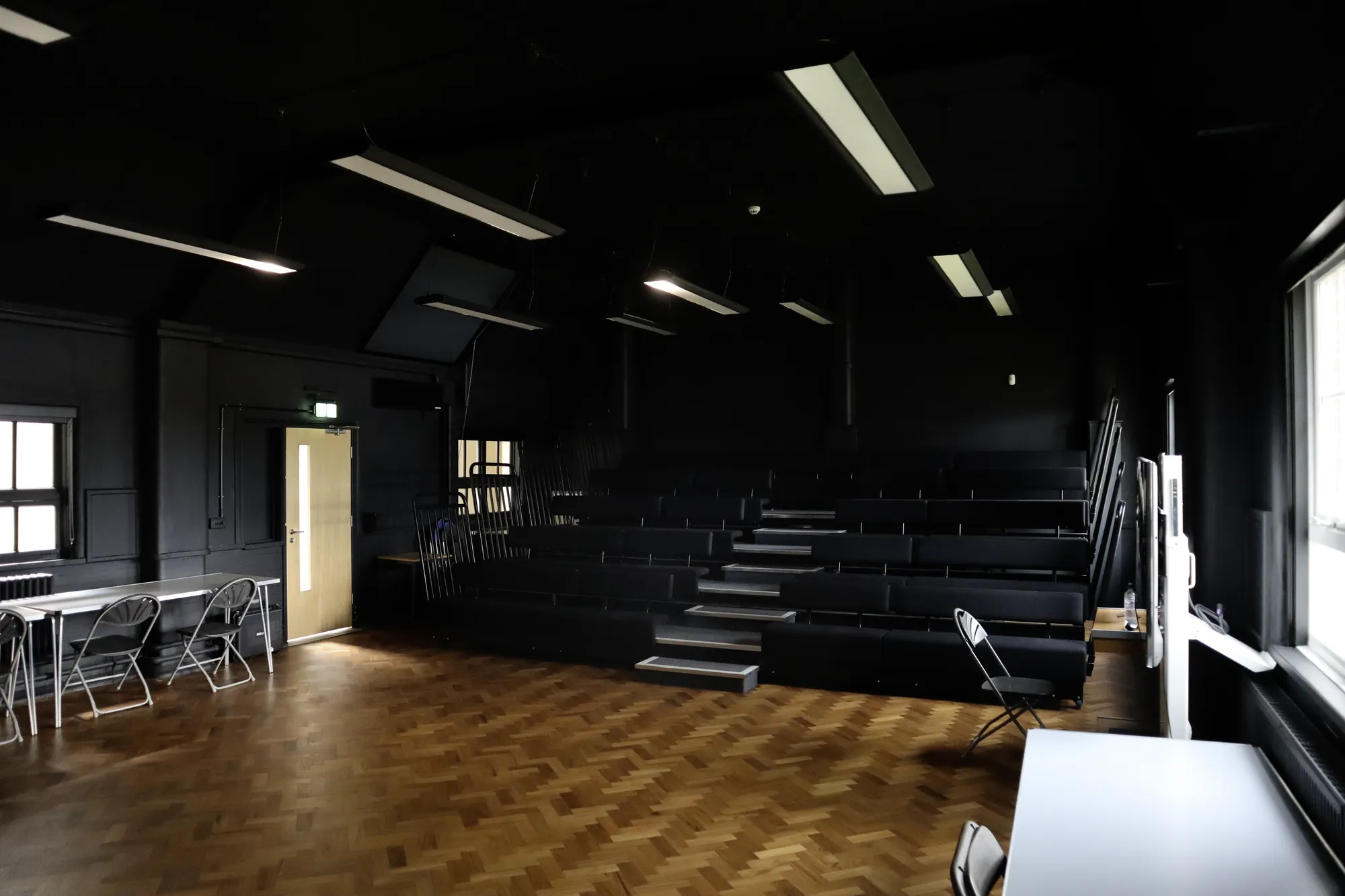
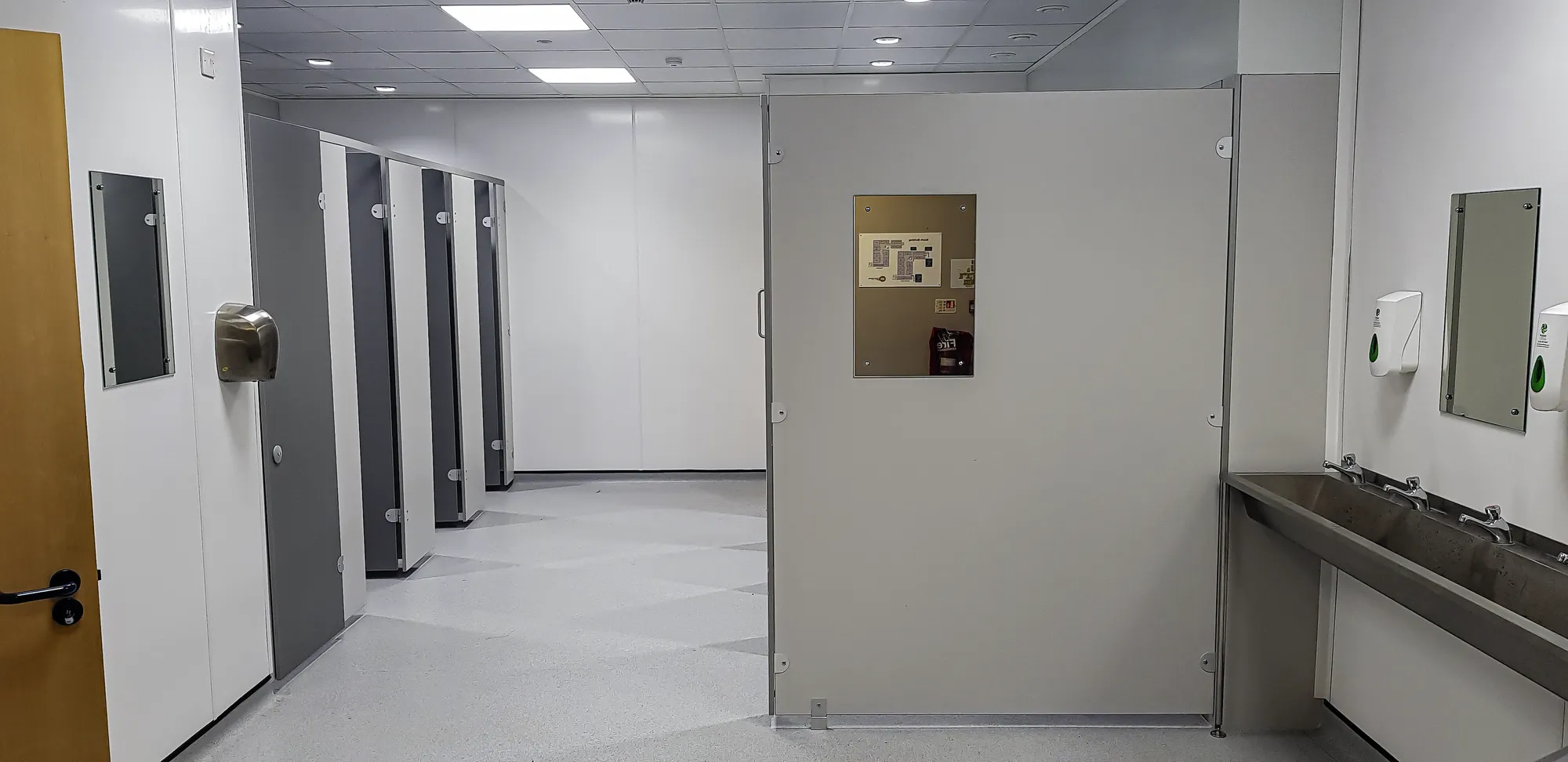
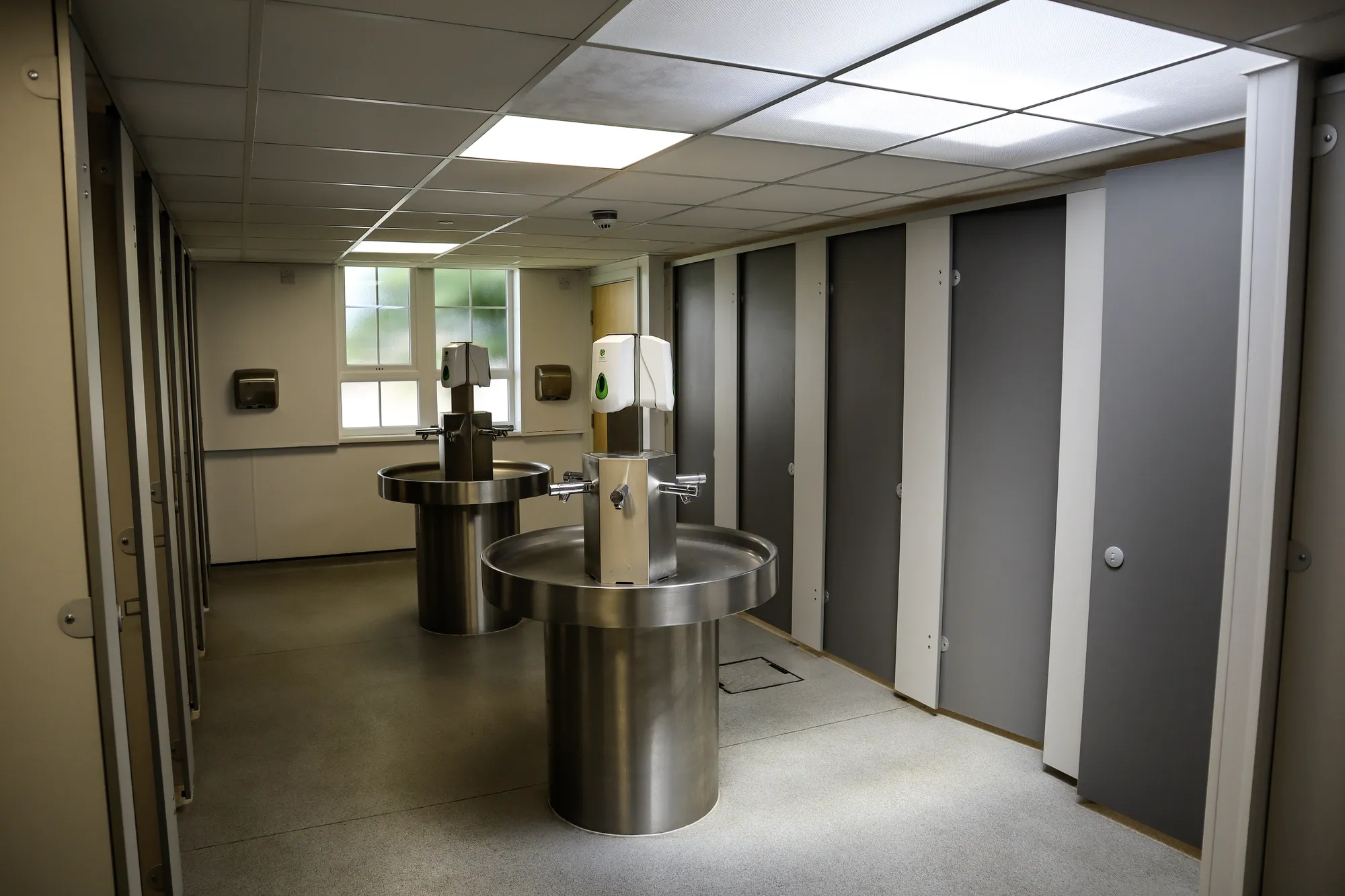
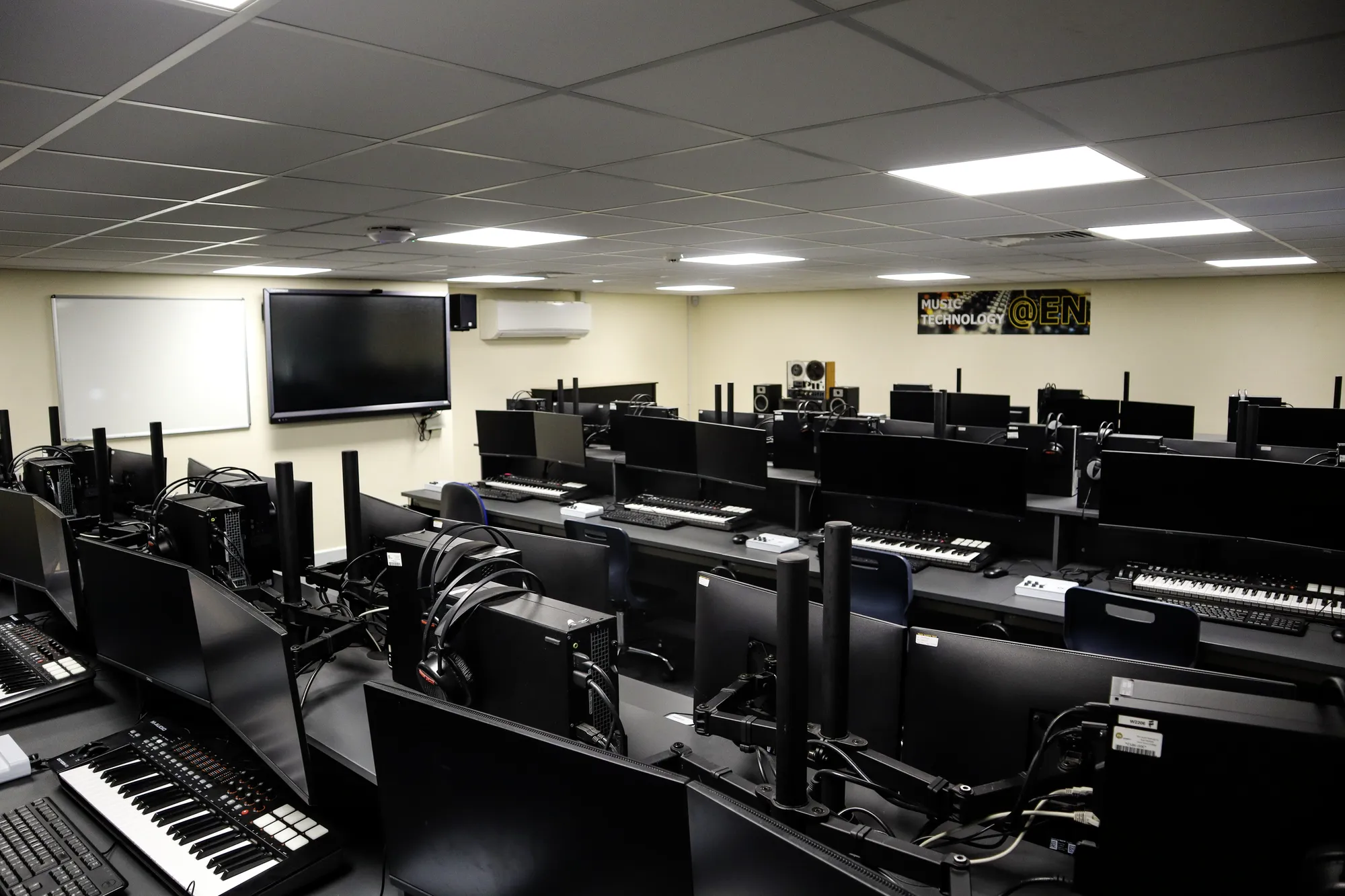
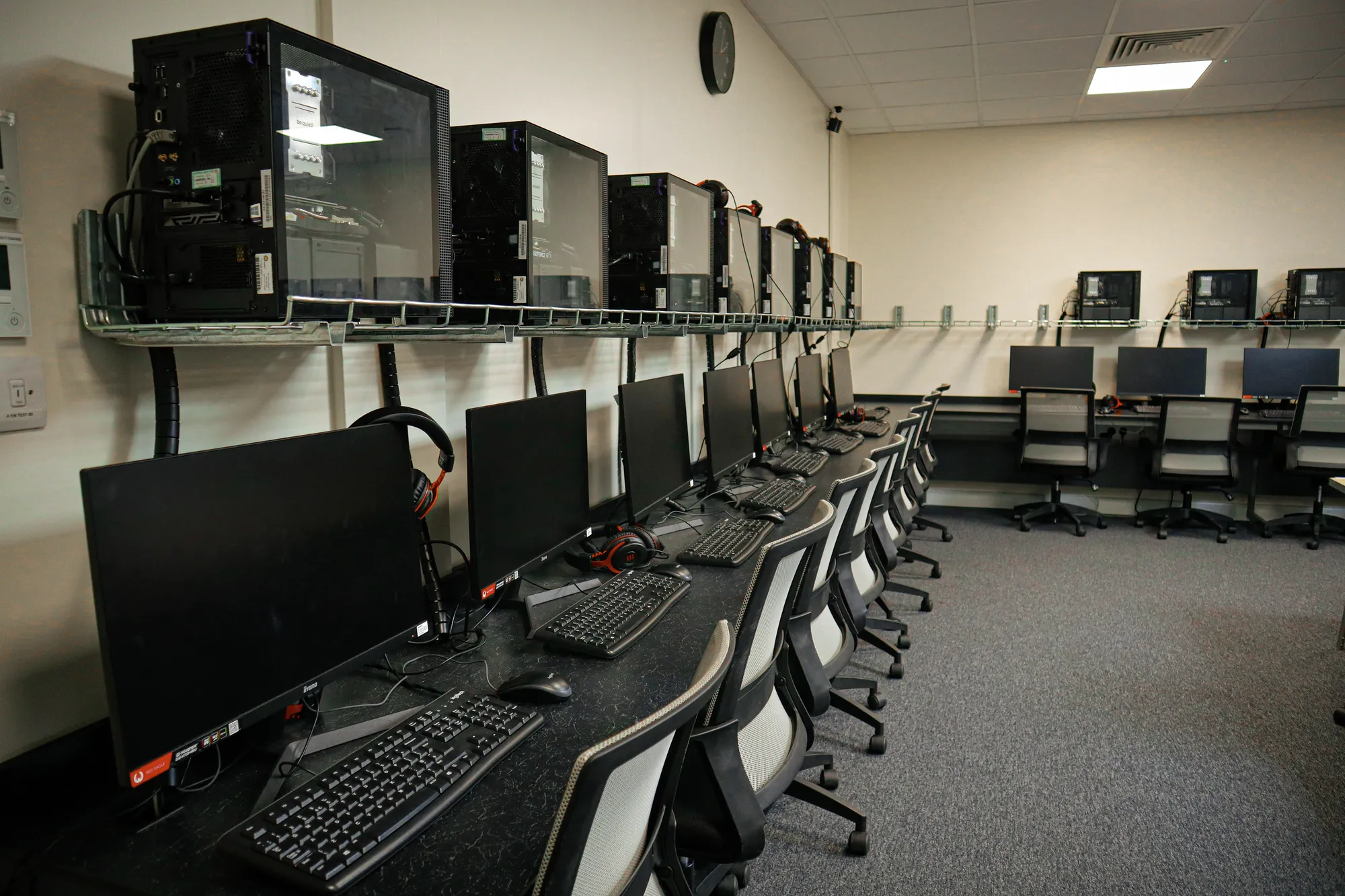
East Norfolk College (Various Areas)
Norfolk
Three-year campus programme: courtyard infills creating teaching space, auditorium upgrades, a two-storey CDT block, and a nursery and animal centre. Planning secured in phases, with project management alongside the Principal Contractor.
View projectThe design team is the group of consultants responsible for developing the design, typically covering architectural, structural and building services disciplines, coordinated so their work fits together.
Yes. Practices are often appointed mid-project, for example after planning or when a previous appointment ends. The incoming practice reviews the existing information and picks up the role from an agreed point.
Design coordination is the process of checking that the work of different disciplines is consistent and compatible, so that structure, services and architectural elements fit together without clashes on site.
It varies by project. A lead consultant or lead designer is usually named in the appointments, and on larger schemes a project manager may coordinate the team overall. The key is that the role is clearly assigned.
Novation is the transfer of a consultant appointment from the client to the contractor, common in design and build procurement. The consultant then completes the design under the contractor engagement.
Most teams use a common document platform with agreed naming, issue and revision conventions, so everyone works from the current information. Regular design team meetings keep decisions visible.
From schools to homeowners, we work closely with every client to deliver thoughtful, lasting architecture here’s what they’ve said about working with us.
We’re always up for a new challenge. Whether it’s a home, a school, or something completely unique.