

Further education planning handled around funding and term dates: strategy, applications, consultation and conditions for college estates.
.webp)
A college scheme meets the planning system carrying more than most: funding conditions with deadlines, vocational buildings that raise questions of scale and servicing, and a campus that neighbours watch. Our planning and approvals service prepares those applications for all of it. Strategy comes first: the right route for the project, the policies engaged, the transport, parking and community-use questions that dominate, and the value of pre-application advice, which typically returns within four to eight weeks. Submissions are assembled as complete cases, consultant evidence coordinated, often alongside the feasibility work that shaped the project, so validation is clean and determination starts promptly. Applications are then managed to decision against statutory targets of eight weeks for minor schemes and thirteen for major ones, and conditions are negotiated with the funding-tied programme in mind. The service continues through discharge, amendments and any appeal the case justifies, because a delayed consent can cost a cohort its facilities.
Design moves from ideas to a coordinated layout. Architecture, structure and building services are aligned so rooms, risers, fire strategy and servicing all work together. The result is a frozen arrangement with updated cost and risks understood. Planning applications are typically prepared and submitted at the end of this stage.
Look at the whole processThrough the route its governance sets: estates team, project lead or framework. The practical start is a note through the contact form or to info@aecarchitecture.co.uk with the project, the site and the funding deadline it must meet, and AEC responds with an initial view on route and prospects. A written scope follows, aligned to the funding programme: strategy, preparation, submission, consultation support and management to decision, with conditions work included where wanted, and fees agreed against it. Where the design team is appointed, the planning role is mapped against it; where AEC designs too, planning judgement shapes the scheme from concept, which on a funding-tied college programme is where it protects the timetable best.
Funded education projects anchor the practice, so college applications are prepared by people who know what draws an authority's attention in further education: the traffic a large campus generates, the community use of its facilities and the bulk of workshop and technical buildings. Those points are settled in the submission before an objector reaches them.
The Academy Estate Consultants group puts planning specialists beside the design team, so a college's strategy is set before drawings harden: the right route, the evidence needed and the authority's likely stance established early, where they change the outcome rather than explain a delay once the funding clock is running.
The practice supports construction as well, so its planning work is written for delivery: conditions are framed to be discharged against a funding award's spend profile, not just an academic date, so the consent releases money on schedule instead of stalling a drawdown. A college receives a permission its finance team can plan around.
A college project usually rides on a funding award with a spend deadline attached, so the planning programme is engineered around that award rather than the academic calendar alone. The critical path is mapped from decision back to the funding milestone: pre-application dialogue, the determination window and condition discharge each costed in real time, with the specialist buildings that colleges favour, workshops and technical facilities, flagged early because their scale and servicing draw the most officer scrutiny. Submissions go in complete, since a reissue can miss a spend deadline entirely. Conditions are shaped for discharge in step with procurement, feeding the construction support that follows. Where the funding timetable and the planning reality will not reconcile, the practice says so at once, so a college can renegotiate its award or rephase before the money is at risk rather than after.

Rooks Heath
Harrow
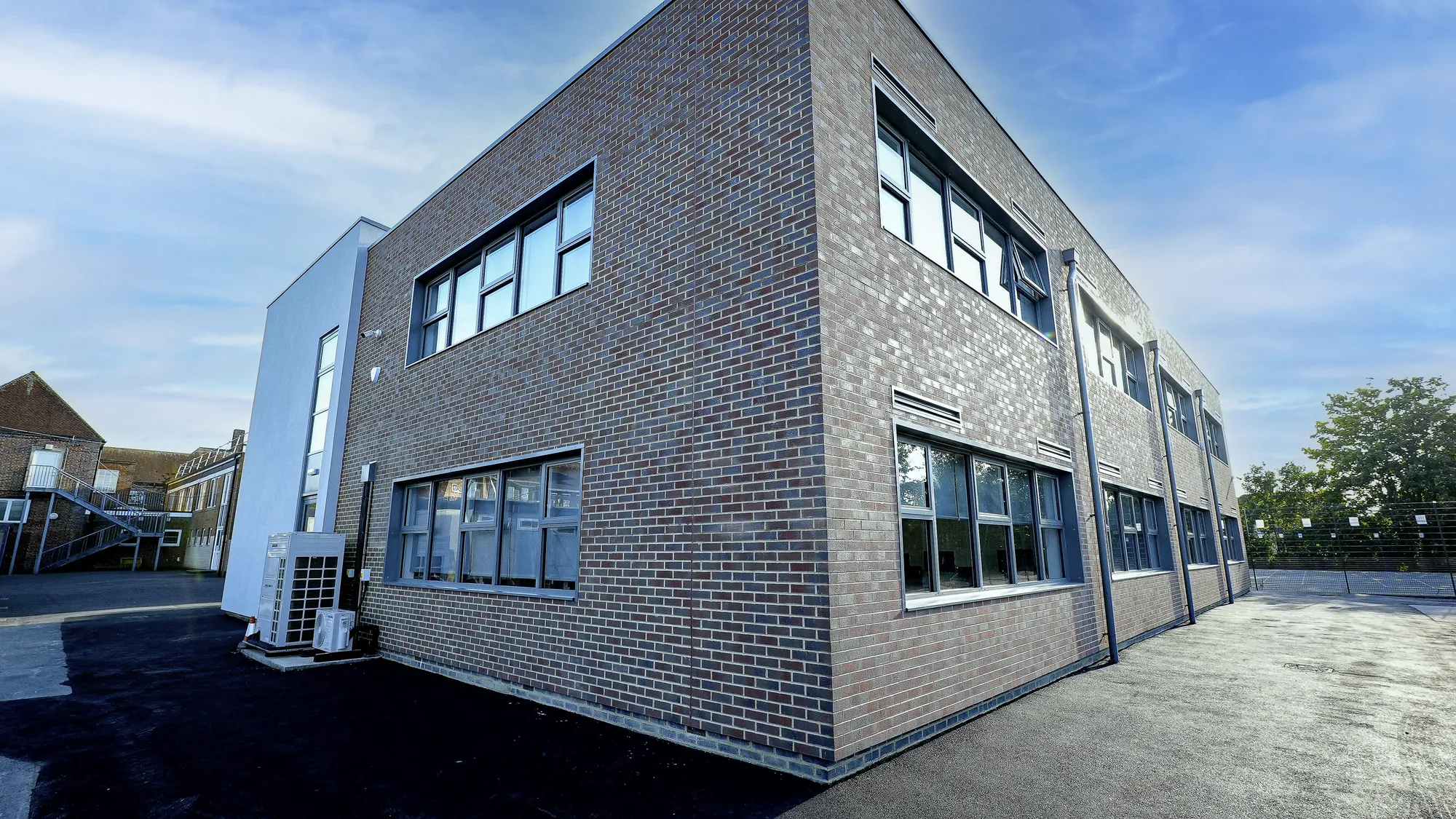
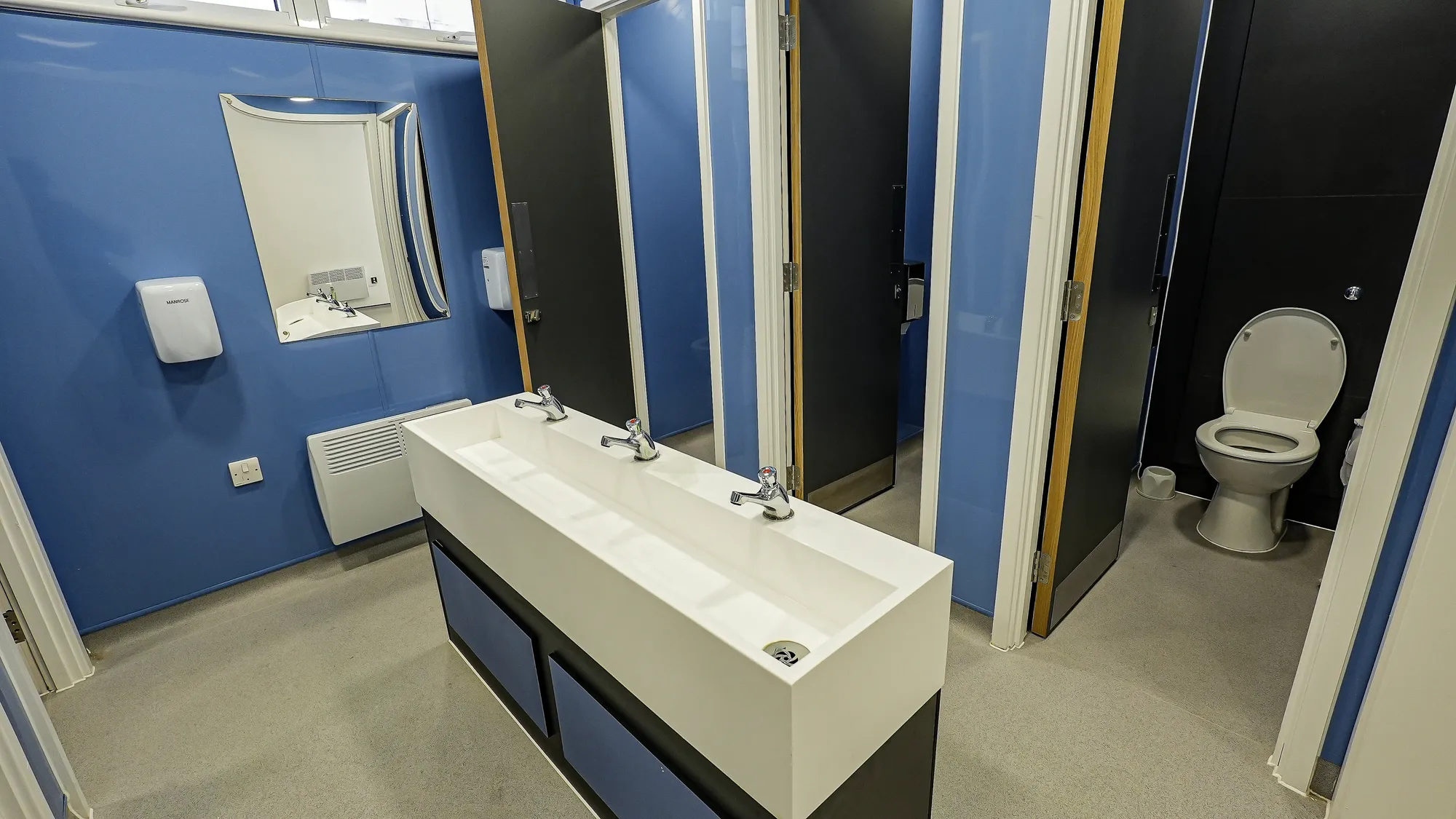
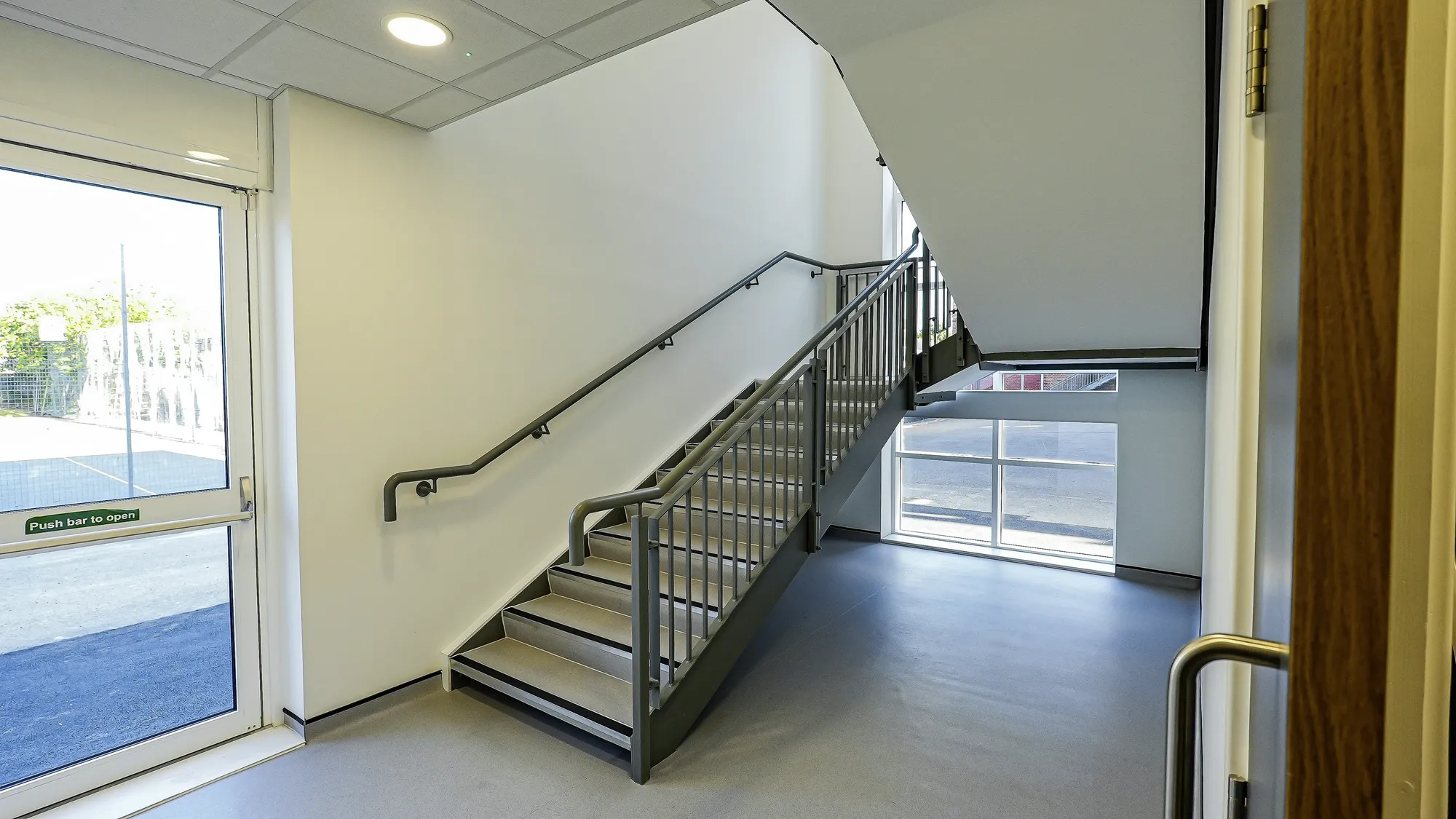
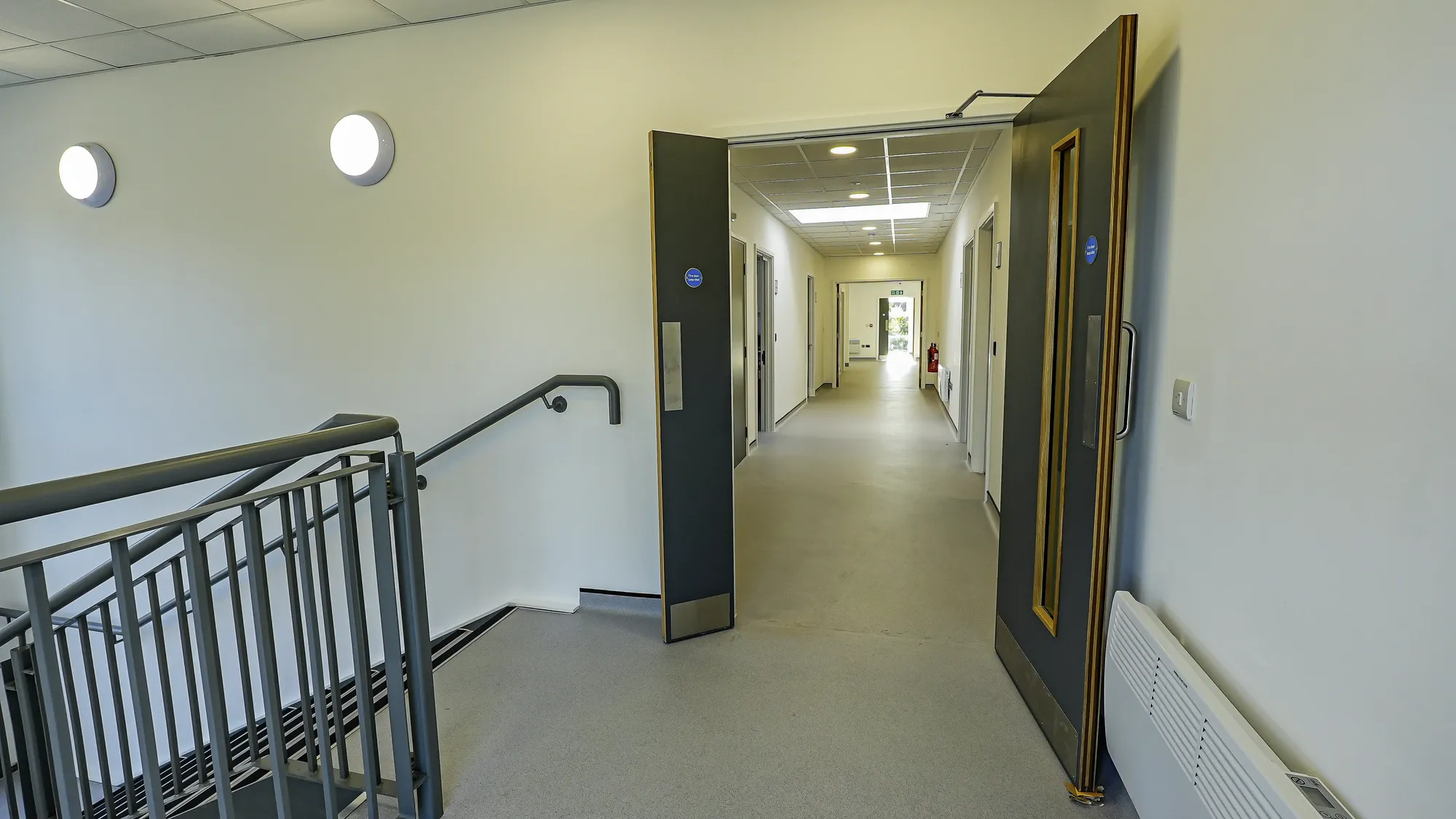
Funding secured for a two-storey replacement block with eight classrooms, recording studio, IT rooms and amenities. Planning approved and conditions discharged; AEC delivered day-to-day project management throughout construction.
View projectFor further education: planning strategy, pre-application engagement, application preparation and coordination of consultant evidence, consultation support, management to decision and the conditions, amendments and appeals that follow. The scope aligns with the college's governance and funding requirements and is agreed in writing before work begins on the application.
Transport and parking, the scale and servicing of vocational buildings, community use of facilities and neighbour amenity. Authorities examine these closely, and applications succeed best when each is answered with evidence in the submission itself rather than negotiated defensively after objections arrive. Preparation focuses on the questions a specific authority tends to raise.
Statutory targets give authorities eight weeks for minor applications and thirteen for major ones, with pre-application advice typically taking four to eight weeks beforehand. Funding-tied programmes should build these clocks in early, with contingency, because a bid deadline or an academic term rarely waits for a determination to catch up.
AEC's fee is fixed against the agreed scope and follows the college's procurement and funding rules, with additional work such as appeals scoped separately if it arises. The council's own application fee is separate, set nationally by type and scale. Both sit in writing before submission, keeping budgets and governance clean.
Yes, and it is treated as part of the case. Materials are prepared in plain language, sessions supported, and neighbour and community concerns recorded and answered in the submission. A college engaged openly with its neighbours tends to face less opposition at determination, which protects a funding-tied timetable from avoidable delay.
A short note covering the project, the site, the funding route and the deadline it must meet, through the contact form or to info@aecarchitecture.co.uk. AEC responds with an initial view on strategy and prospects, then a written scope and fee proposal aligned to the funding programme. Work begins once the college accepts it.
From schools to homeowners, we work closely with every client to deliver thoughtful, lasting architecture here’s what they’ve said about working with us.
We’re always up for a new challenge. Whether it’s a home, a school, or something completely unique.






We maintain involvement from earlier stages or provide targeted support during construction, ensuring design intent is carried through on site.
We support contractor coordination, respond to site queries and provide ongoing technical input to keep projects on programme and aligned with design objectives.
Our services can be adapted to suit project requirements, whether providing full support or working alongside existing teams.
It covers the practical input a project needs once work starts on site, including responding to contractor queries, reviewing information, coordinating across the team and providing ongoing design advice so the approved design is delivered as intended.
Yes. We can provide targeted support at construction stage even if we were not involved earlier, working alongside your existing contractor and consultants within the structures already in place.
Involvement is scaled to the project, from answering occasional technical queries through to regular site support. We agree the level of service and fee basis with you at the outset so costs stay predictable.
From schools to homeowners, we work closely with every client to deliver thoughtful, lasting architecture here’s what they’ve said about working with us.
We’re always up for a new challenge. Whether it’s a home, a school, or something completely unique.