Campus frameworks for further education: movement, zoning, phasing and codes that let a college estate modernise without stopping teaching.
.webp)
College estates accrete over decades, and without a framework the next funded project lands wherever it fits rather than where it works, leaving circulation, servicing and specialist provision compromised. Our masterplanning service brings order to that, setting a structure for a campus that organises movement between teaching areas, zones vocational and general space so servicing and noise sit sensibly, locates future buildings where they strengthen the estate, and phases development so each project builds on the last. Frameworks build on feasibility work that established capacity and constraints, and they respect the live-campus reality that teaching continues throughout. Design codes hold a consistent quality across buildings funded years apart. The plan carries planning weight, supports funding-tied applications for individual phases and gives each project a clear brief and a place, so a college estate modernises into a coherent campus rather than a collection of blocks that never quite connect.
This is the "should we build?" moment. The team clarifies goals, budget, risks and constraints, explores options (including non-build solutions), and forms the business case. The outcome is a confirmed set of client requirements and a go/no-go decision.
All the groundwork happens here: site information, surveys, statutory context and stakeholder needs are gathered, and the Project Brief and outline programme are agreed. Procurement and planning strategies are sketched so everyone knows the road ahead.
The design team explores options and massing, sets a sustainability approach, and prepares an order-of-cost estimate. Early conversations with planners may begin. By the end of this stage there's a preferred concept that meets the brief and budget.
Look at the whole processFrom the estate pressure and the funding context. A note through the contact form or to info@aecarchitecture.co.uk describing the campus, the growth or modernisation in view and the timetable opens the conversation. AEC responds with a discussion of constraints, the authority's position and the decisions the framework must support, then a written scope: framework testing where options are open, a full masterplan with phasing and design codes where direction is set, or support for a phased application. Fees are fixed against the scope, following the college's procurement. The framework develops through engagement with estates and curriculum leaders, because a campus works only if the teaching drives the plan, with reasoning recorded so a governing body can follow and adopt it.
Funded education work anchors the practice, so college frameworks start from how a campus really runs: the movement of students between sessions, the servicing that vocational space demands, funding cycles and term rhythms. A framework drawn with that grounding is one a college can build against, not just admire.
A campus framework must satisfy an authority as well as a college, and planning judgement sits within the practice. The structure is tested against local policy from the start, so the plan a college adopts is one its authority can support through a run of funding-tied applications.
The practice designs college buildings as well as frameworks and carries projects through planning, technical design and construction. A masterplan drawn by people who will also deliver within it tends to be realistic, with capacities, servicing and phasing that survive the funding-dependent way college estates get built.
By sequencing change so teaching never stops and each phase leaves the estate better than it found it. A college cannot close to rebuild, so the framework identifies where the first project can go without displacing teaching, then how each subsequent phase uses the space the last one freed, a decant chain planned years ahead. Vocational and general space are zoned so servicing, deliveries and noise sit sensibly, and circulation is untangled as buildings are replaced rather than left as it was. Design codes keep buildings funded years apart consistent in quality and character, guiding each project's architectural design. Phasing matches the stop-start arrival of funding, so a college modernises what it can afford when it can afford it, within a plan that keeps the whole estate coherent. The result is a campus that improves with each project rather than merely growing.
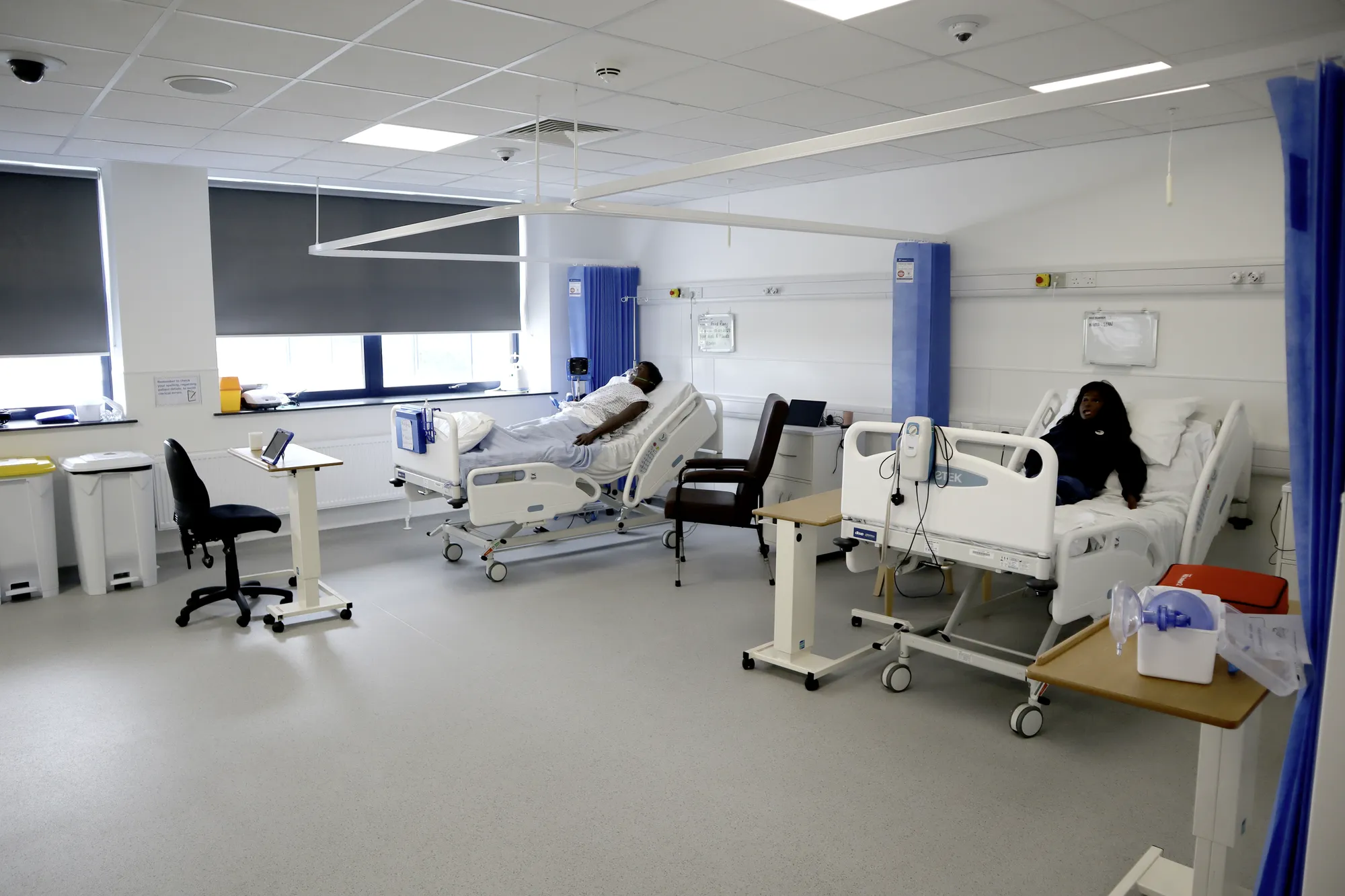
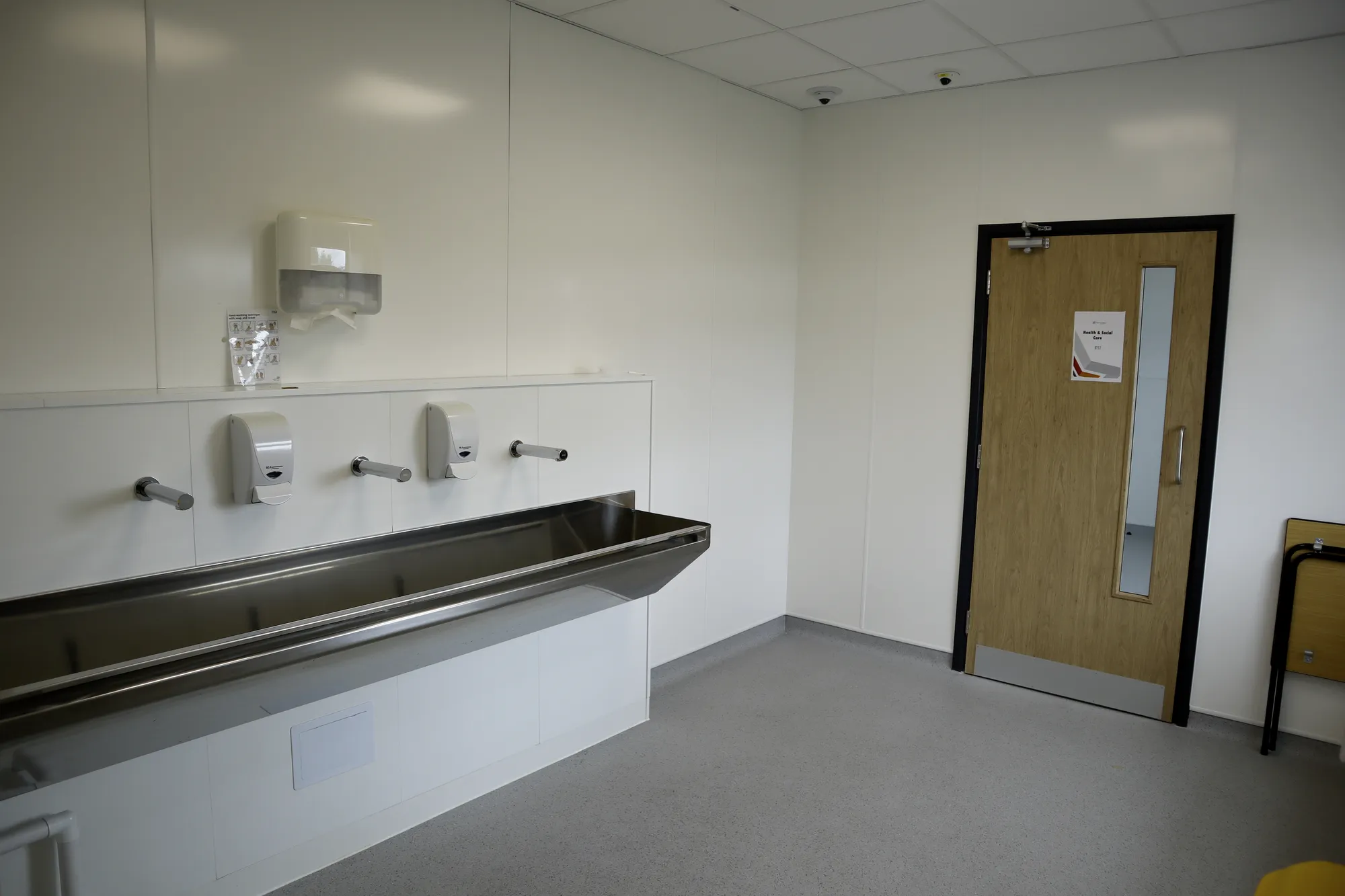
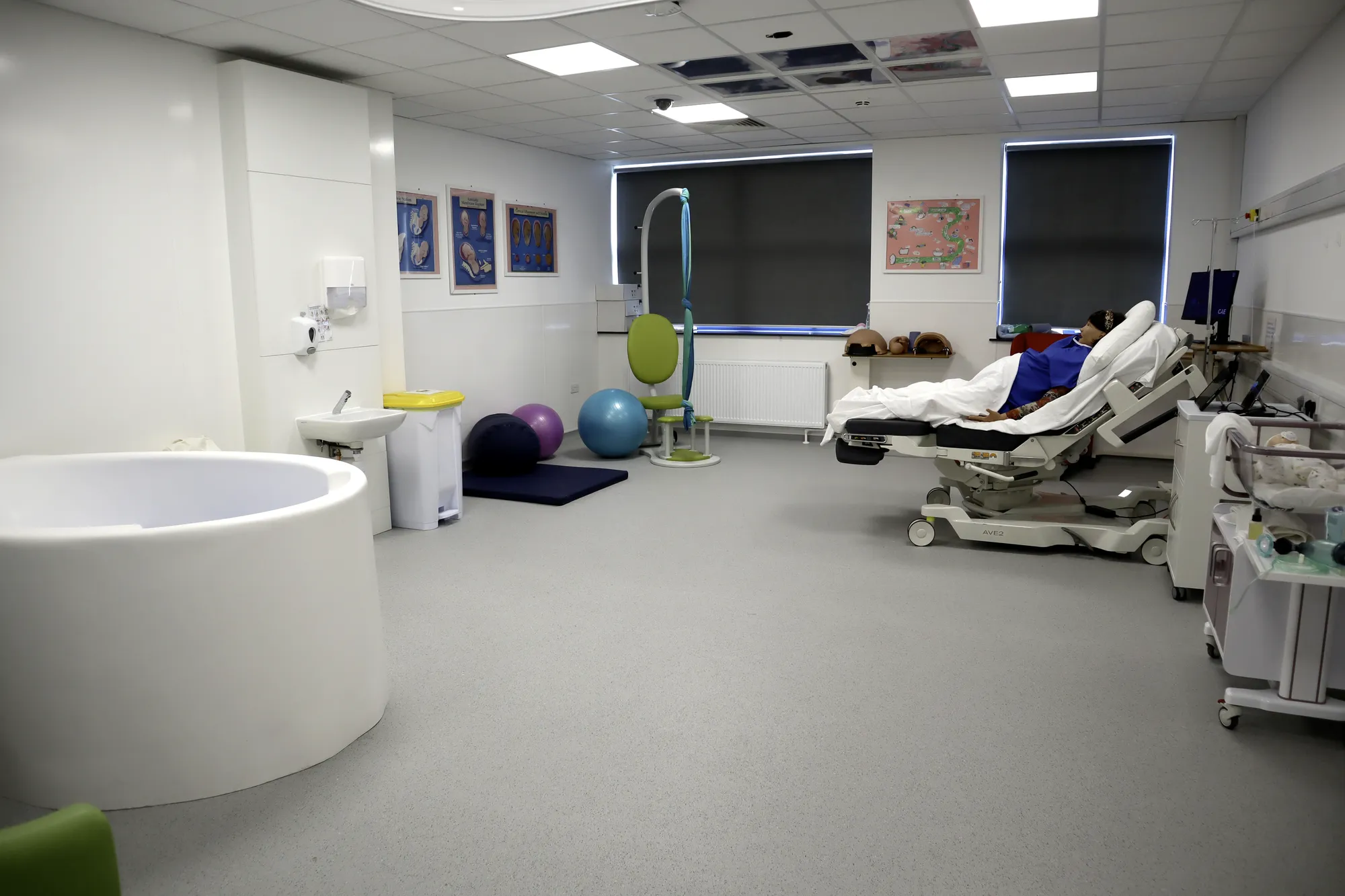
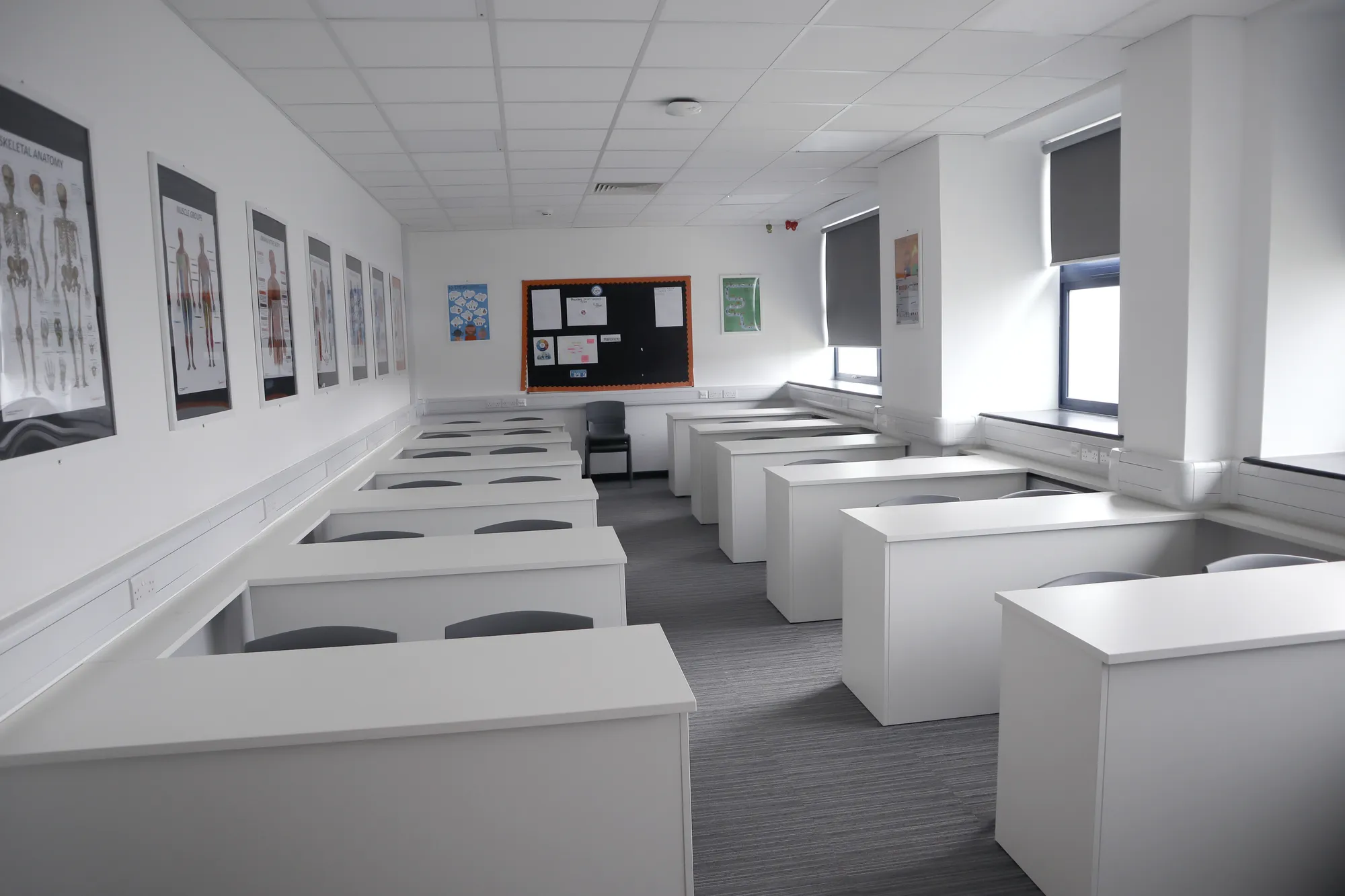
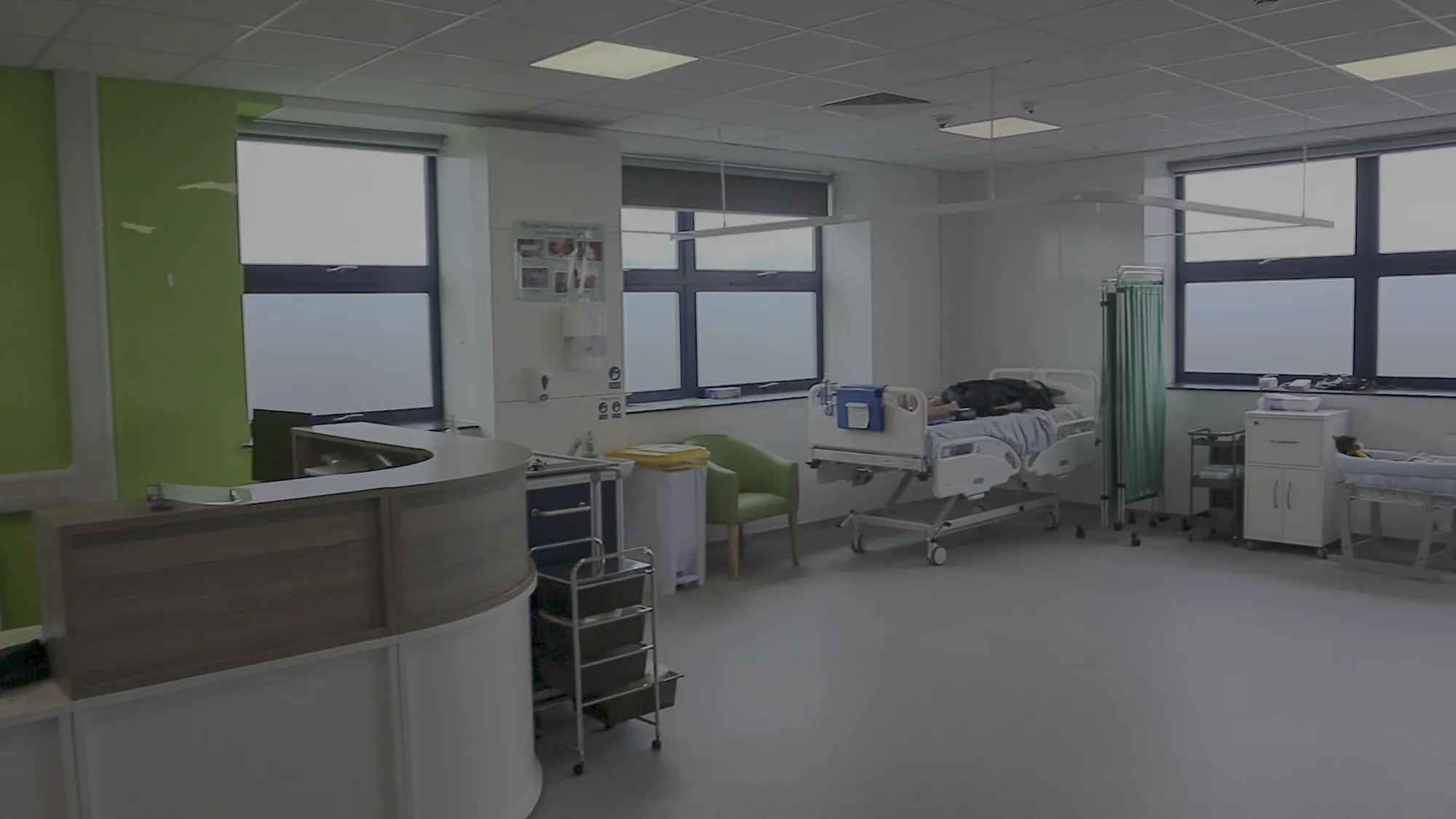
New College Swindon (NHS Set‑Up)
Swindon
T-Level funding enabled an NHS-spec clinical suite with operating theatre, scrub room, clean/dirty linen routes, training wards and a birthing room. AEC worked with the Principal Contractor on technical specifications and drawings.
View projectA campus framework: movement between teaching areas, the zoning of vocational and general space, the location of future buildings, phasing that keeps teaching running through each build, and design codes for consistent quality. It supports funding-tied applications and guides each individual project. Scope and fee are agreed in writing before work begins.
When modernisation or growth is coming in stages and each project affects the next: tangled circulation, misplaced specialist space or competing demands on a tight campus usually mark the point. A framework drawn before the next funded project prevents it compromising the estate, and authorities often expect one on larger campus proposals.
Yes, that is its purpose. The masterplan sequences development so each phase works on its own and sets up the next, matching the way college funding arrives in stages. A decant chain is planned so teaching continues throughout, and a college modernises what it can fund when it can fund it, within a coherent long-term plan.
Against the scope: the campus's scale, the depth of framework required, the consent route it must support and the engagement around it, following the college's procurement. Fees are usually fixed per stage, from framework testing to a full masterplan with design codes, and agreed in writing before work starts.
It can. A clear framework shows a funder that a college's development is planned rather than piecemeal, that each phase is deliverable and that the investment produces a coherent campus. The masterplan and its phasing evidence strengthen bids for individual projects, and its drawings carry into the design stages a successful bid then funds.
Send the estate pressure driving the work, the campus in question and the timetable, through the contact form or to info@aecarchitecture.co.uk. AEC arranges a discussion of the constraints, the authority's position and the decisions ahead, then proposes a written scope and fee. Framework work begins once the college accepts that proposal.
From schools to homeowners, we work closely with every client to deliver thoughtful, lasting architecture here’s what they’ve said about working with us.
We’re always up for a new challenge. Whether it’s a home, a school, or something completely unique.