Early clarity on Canterbury sites: what World Heritage, conservation and archaeology allow, what the council will support and what a site is worth.
.webp)
Two questions dominate a Canterbury site before any other: what the cathedral's views will permit above ground, and what the archaeology will cost below it. Our pre-planning and feasibility service answers both. It checks the proposal against protected and incidental views of the cathedral, which can cap height and massing even on sites well outside the walls, and it reads the archaeological record to gauge the near-certain Roman or medieval remains as a live cost, programme and, occasionally, showstopper risk. Around those, the World Heritage designation and conservation status are weighed, and only where they leave room is capacity tested with sketch layouts and viability confirmed. Where the council's stance needs testing, pre-application advice is sought, typically within four to eight weeks, drawing on the architectural design thinking behind the options. Studies run from a rapid view to a full appraisal, scoped and priced in writing first. The value is knowing, before exchange, if the cathedral's setting and the ground below leave a viable scheme at all.
This is the "should we build?" moment. The team clarifies goals, budget, risks and constraints, explores options (including non-build solutions), and forms the business case. The outcome is a confirmed set of client requirements and a go/no-go decision.
All the groundwork happens here: site information, surveys, statutory context and stakeholder needs are gathered, and the Project Brief and outline programme are agreed. Procurement and planning strategies are sketched so everyone knows the road ahead.
Look at the whole processWith a clear question and little formality. Clients send the site address and the decision it must support, through the contact form or to info@aecarchitecture.co.uk, and AEC frames the study accordingly. A short conversation agrees the depth, from a rapid heritage and archaeology view to a full appraisal with viability and pre-application advice, and the fee is fixed in writing before work begins. The study proceeds through desk research, including a read of the World Heritage setting, conservation designations and archaeological records, a site visit and sketch testing, with findings reported plainly, structured so a lender, partner or board can rely on them. Where the answer is proceed, the same team can carry the project into design and planning without a handover.
In Canterbury the first question is what World Heritage setting, conservation and archaeology will even allow, and the Academy Estate Consultants group keeps that planning judgement beside the study. The view given reflects how the city's exceptional constraints bear on the specific site, not an assumption a purchase price then rests on.
In a city this sensitive, the most valuable thing a study can do is say early where a site cannot carry what an owner hopes. The practice gives that answer plainly, so money is not spent chasing a scheme the heritage or archaeology position rules out from the start.
Because the practice carries projects from feasibility through design, planning and construction, its studies are written to be built on. Findings feed the concept design and the planning case that follow, so an owner does not pay twice and the momentum survives into an application a World Heritage city will scrutinise closely.
They are the two questions a Canterbury appraisal turns on. The cathedral dominates views across the city, and a designated view can cap height and massing on a site well outside the walls, so the study checks a proposal against those views before capacity is assumed, because a scheme that harms one has no future. Beneath almost any central plot lies Roman or medieval archaeology, near-certain enough that the study treats it as a live cost and programme risk, reading the records to gauge if it adds a watching brief, a full investigation or, occasionally, a bar on the groundwork a scheme needs. The World Heritage designation raises the bar on everything above ground too. Only where views, archaeology and setting leave room does the study test capacity and viability. Where a site works, the findings carry into design and the planning and approvals stage; where the cathedral's setting or the ground below closes it, that is reported plainly, sparing a buyer from paying for potential that Canterbury will not grant.
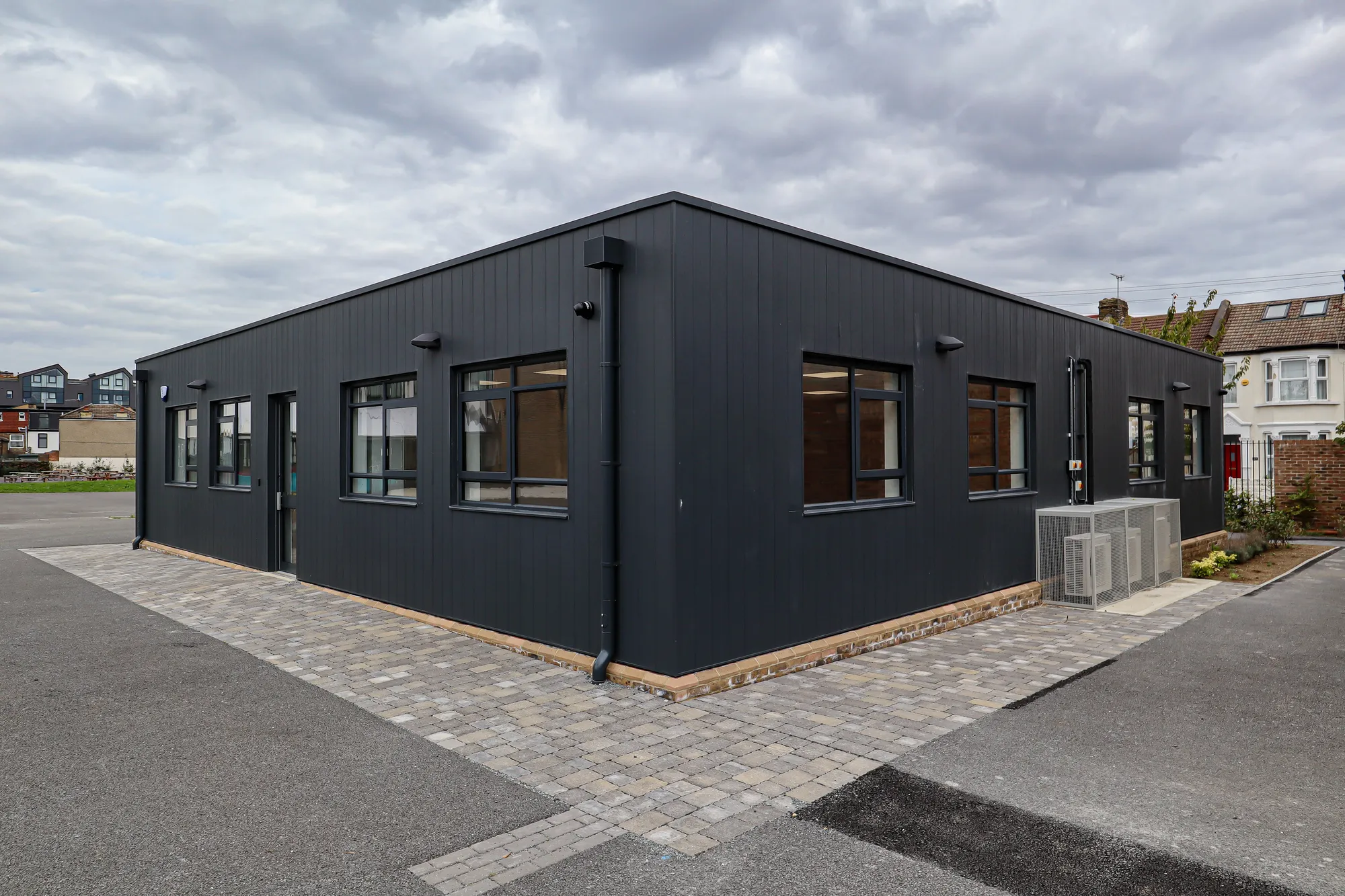
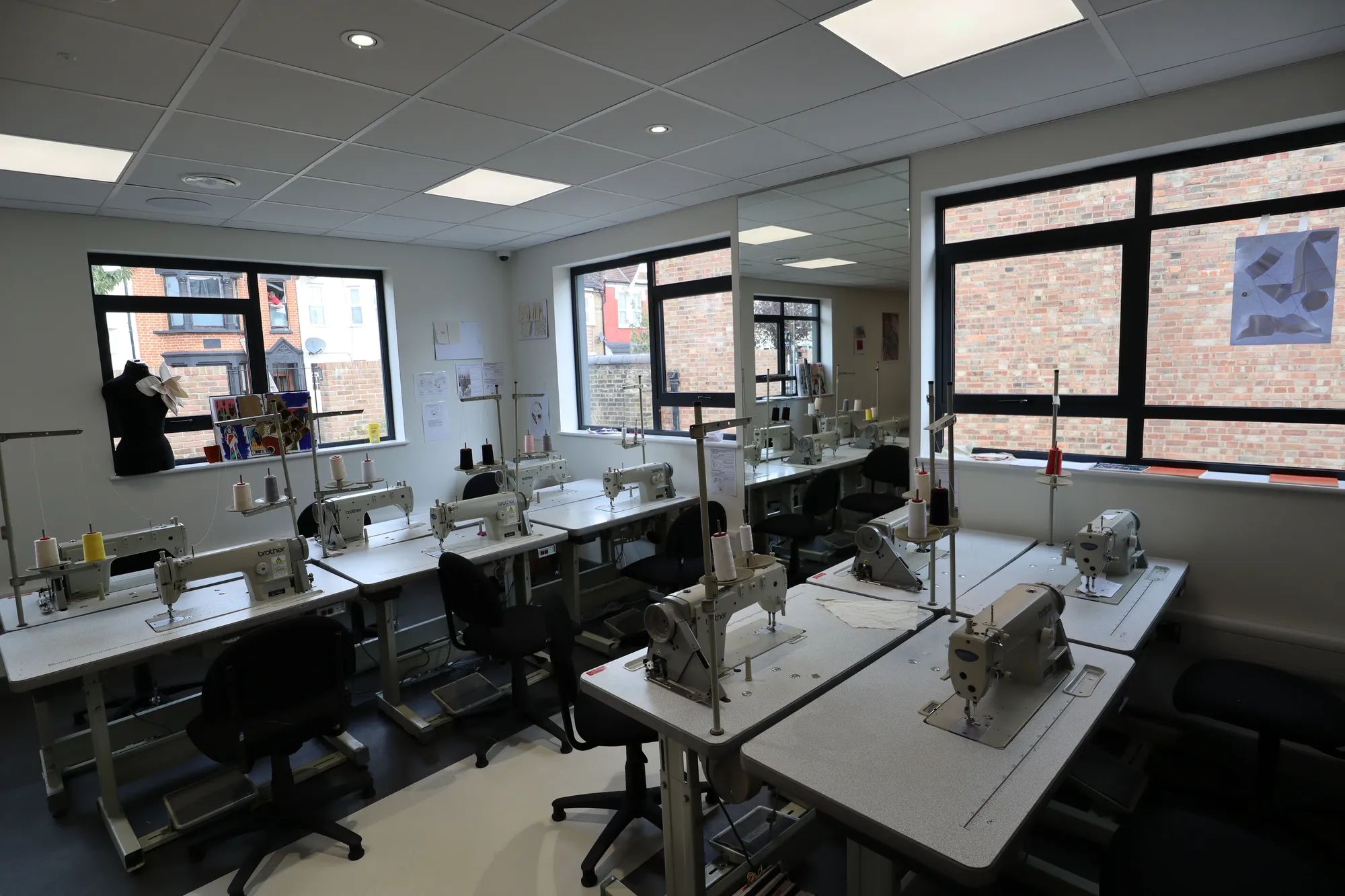
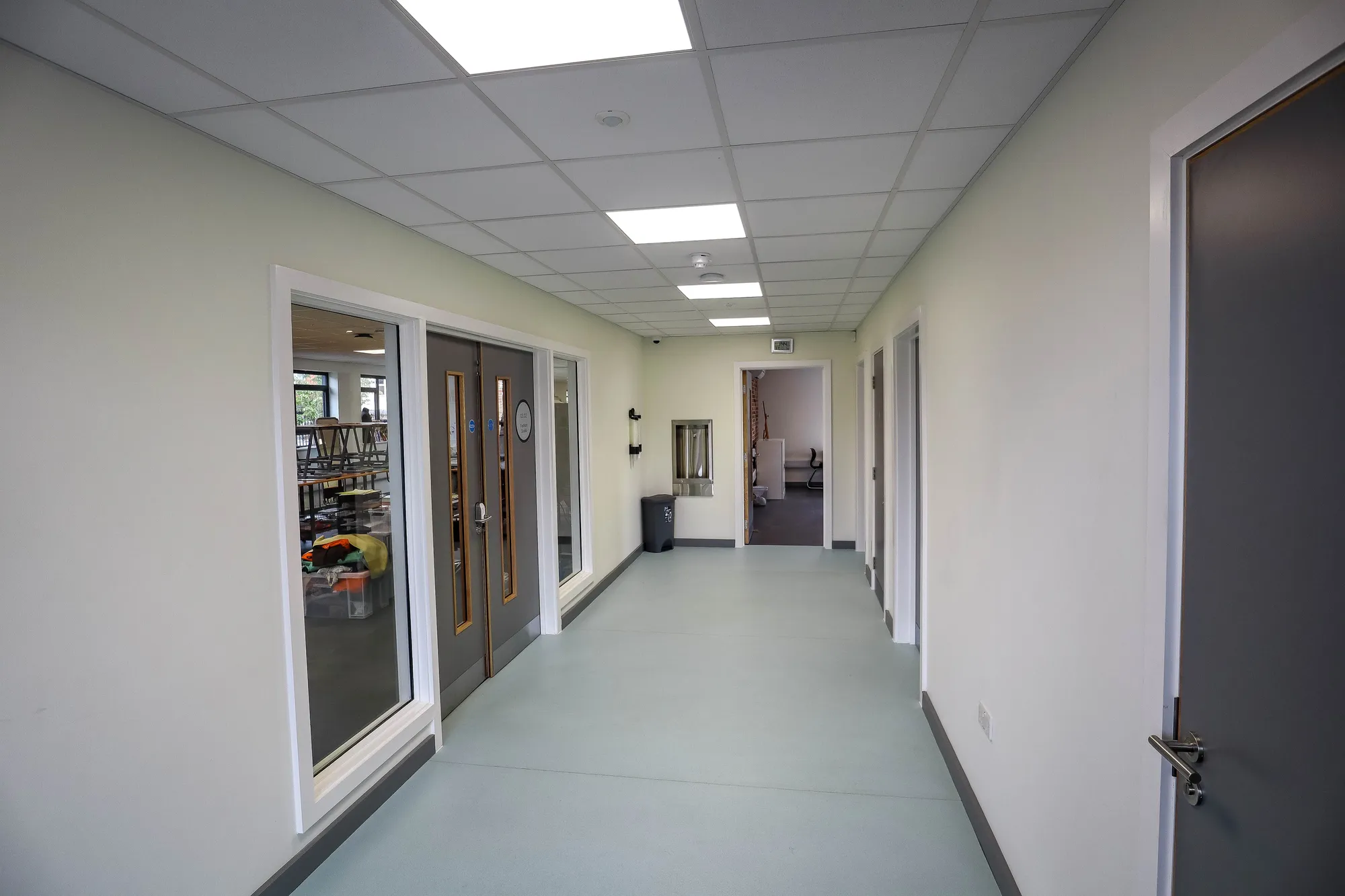
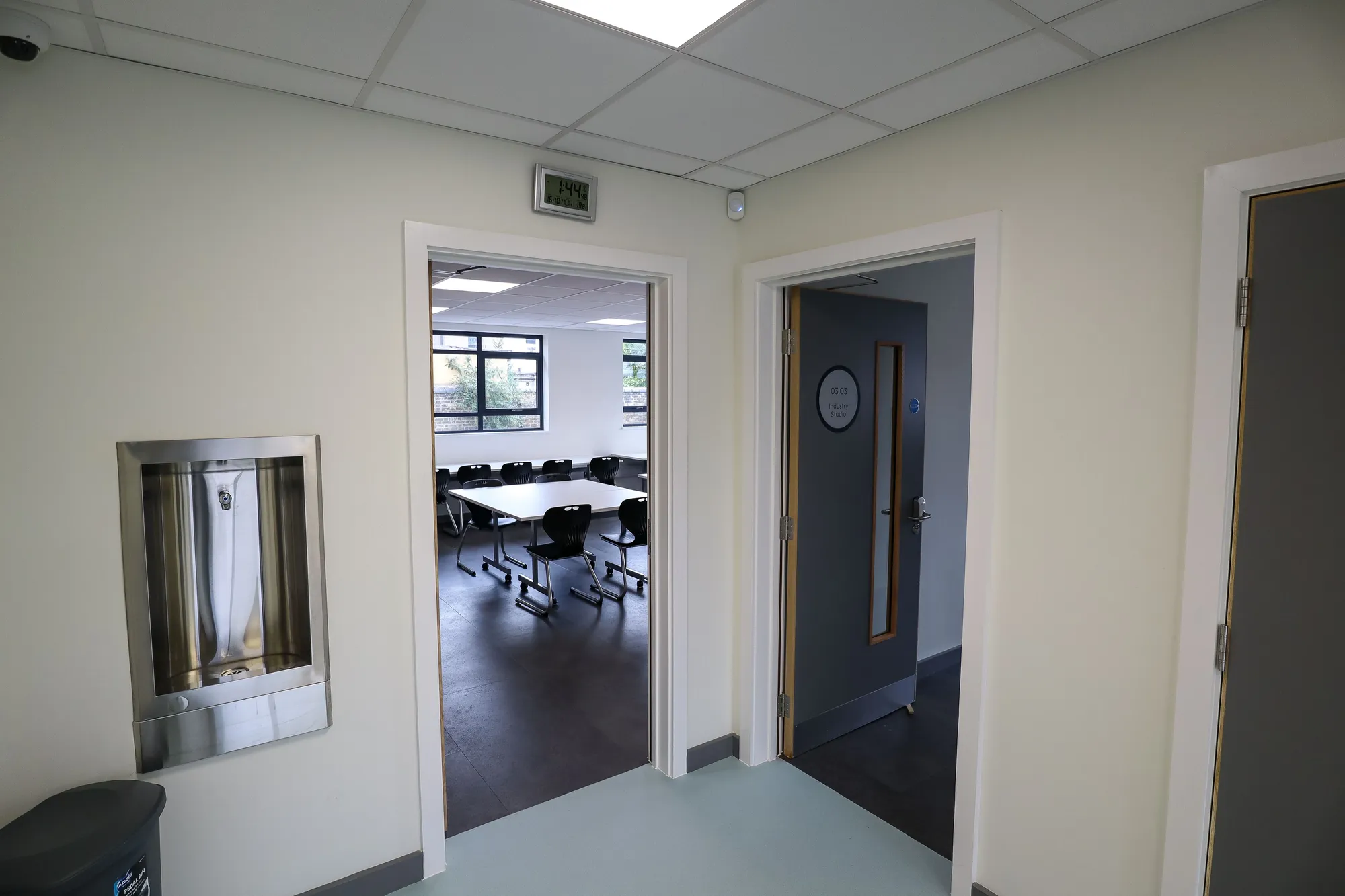
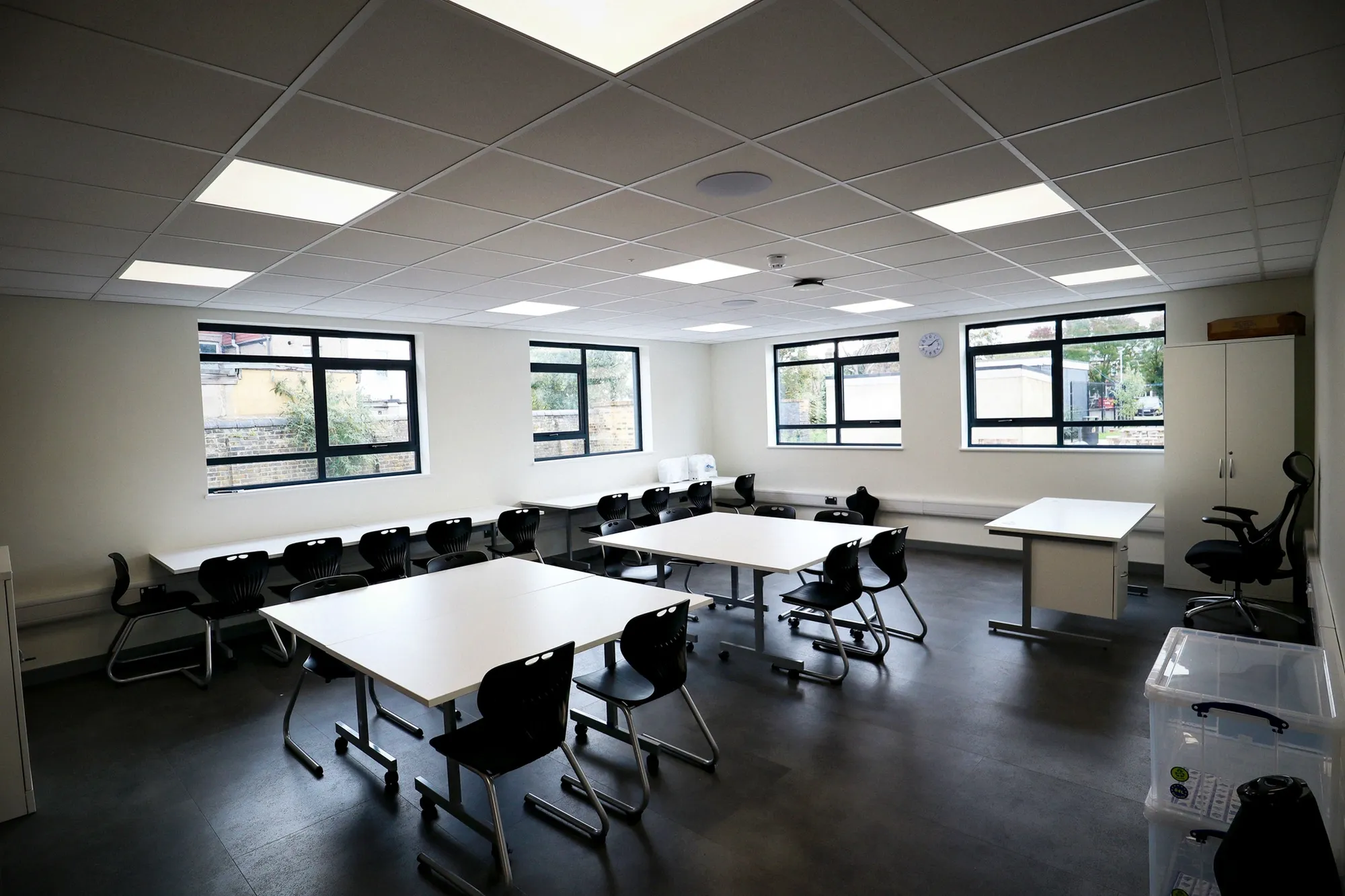
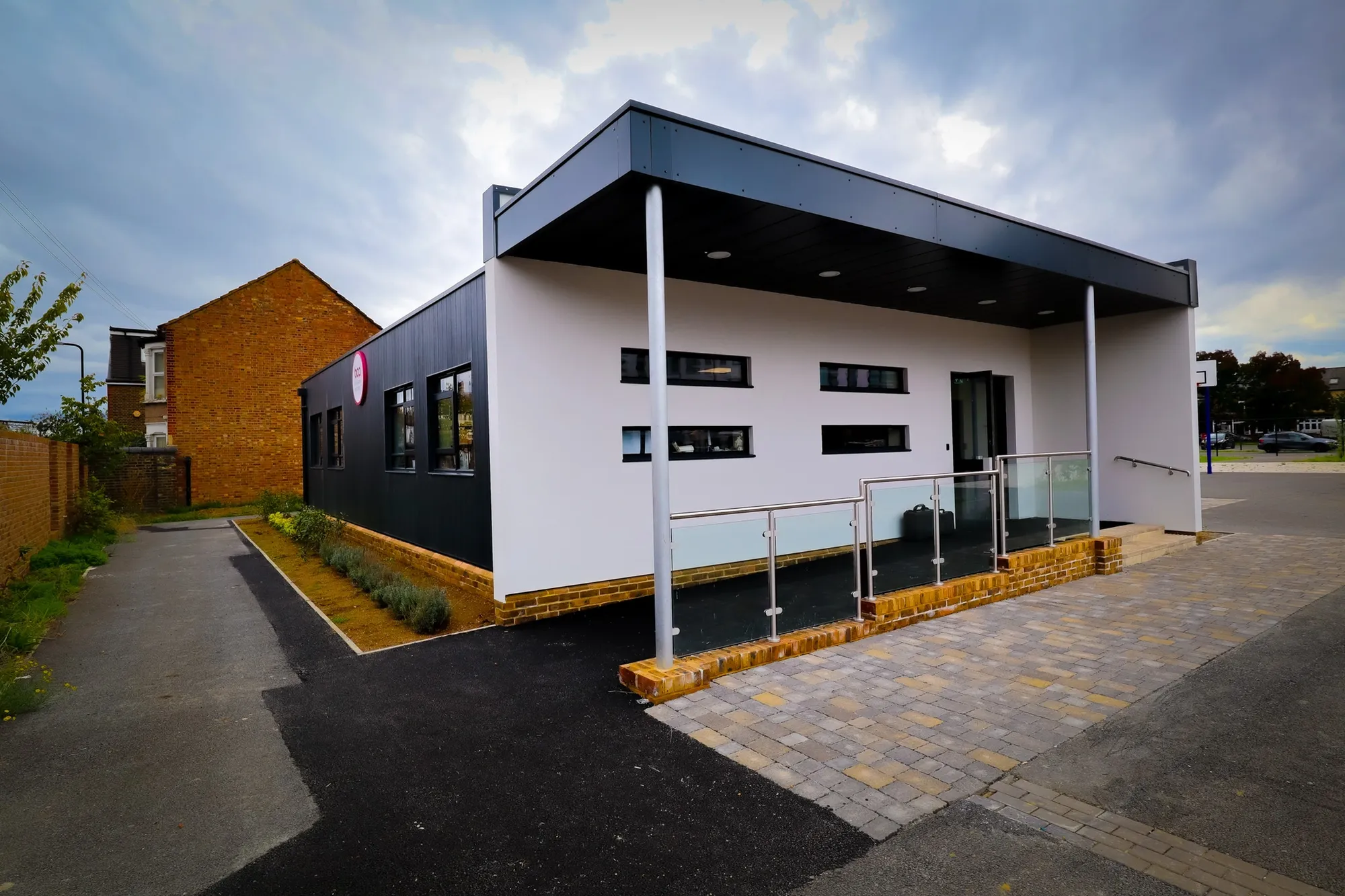
Big Creative Academy
London
Planning secured for a modern teaching block with three fashion studios, a central hub and facilities. AEC led from sketch through planning and technical drawings, then managed construction on site.
View projectThe World Heritage, conservation and archaeology context, cathedral views, other constraints such as trees and access, capacity testing where development is achievable, a viability view and a recommended route. Depth is scoped to the decision, from a rapid view to a full appraisal with pre-application advice, and both scope and fee are fixed in writing before the study starts.
Often, and it should be checked early. In a Roman and medieval city, below-ground remains can add cost, delay or constraint, and occasionally limit the groundwork a scheme needs. The study reads the archaeological records for the site, so an owner understands that bearing before committing rather than discovering it during foundations.
Before exchange, and before design fees mount. In a city where the World Heritage setting or archaeology can decide a site's prospects outright, a study is cheapest exactly when it matters most, while the decision to buy or walk away is still open. Pre-application advice, where sought, typically takes four to eight weeks.
It depends on depth and the site's complexity, and the fee is fixed and agreed in writing before work begins. A rapid heritage and archaeology view sits at the lighter end; a full appraisal with viability and archaeological desk assessment costs more. In a sensitive, expensive city, the study costs far less than a misjudged purchase.
Yes. A focused study can concentrate on the questions that decide the purchase, the World Heritage and archaeology position and the realistic capacity, and report in time to inform the deal. Existing material from agents or previous owners feeds the study, and an early honest read protects against overpaying for constrained land.
A written report covering the heritage, cathedral-view and archaeology position, other constraints, capacity, viability and a recommended route, with reasoning shown throughout. It is built to support the buy-or-walk decision and to be read by lenders or partners. Where the project proceeds, the findings carry straight into design and planning.
From schools to homeowners, we work closely with every client to deliver thoughtful, lasting architecture here’s what they’ve said about working with us.
We’re always up for a new challenge. Whether it’s a home, a school, or something completely unique.