Early answers on Essex sites from a practice based in the county: constraints, capacity and planning prospects grounded in local knowledge.
.webp)
Every county rewards local knowledge, but Essex is where this practice keeps its own, and feasibility is where that knowledge earns most. Our pre-planning and feasibility service appraises sites across the county: constraints mapped, from Green Belt on the London edge to coastal and flood policy in the east; policy read district by district, because Basildon, Chelmsford, Colchester and Brentwood each decide under their own local plan; capacity tested with sketch layouts; and viability checked against how the county's markets really price things. Where a district's position needs testing, pre-application advice is sought, typically returning within four to eight weeks. On larger holdings the study considers structure and phasing alongside capacity, feeding our masterplanning work where a site warrants it. Depths run from a rapid capacity view to a full appraisal, each scoped and priced in writing before work starts.
This is the "should we build?" moment. The team clarifies goals, budget, risks and constraints, explores options (including non-build solutions), and forms the business case. The outcome is a confirmed set of client requirements and a go/no-go decision.
All the groundwork happens here: site information, surveys, statutory context and stakeholder needs are gathered, and the Project Brief and outline programme are agreed. Procurement and planning strategies are sketched so everyone knows the road ahead.
Look at the whole processUsually with one message and one conversation. Clients send the site address and the question, through the contact form or to info@aecarchitecture.co.uk, and AEC frames the study around the decision it must support. Being local helps immediately: the site can often be walked within days, and the first conversation already carries real context about the area and its district. The depth is agreed, from rapid capacity view to full appraisal with viability and pre-application advice, and the fee is fixed in writing before work begins. Findings are reported plainly with the reasoning shown, and where the answer is proceed, the same local team carries the project into design and planning without a handover.
From its Billericay base the practice appraises Essex sites on ground it knows first-hand, from Basildon and Brentwood to Chelmsford and Colchester. Sites get walked at short notice, local context is understood rather than researched, and the county's authorities are familiar counterparts rather than names on a policy map.
The Academy Estate Consultants group keeps planning and development specialists beside every study, so an Essex appraisal reflects how the county's districts really decide and how its markets really behave. The view given on a site is a development judgement, not just a summary of policy documents.
Because the practice carries projects from feasibility through design, planning and construction, its studies are written to be built on. Findings translate straight into concept design and planning strategy, and being local, the same team stays close to the site through every stage that follows the decision.
The judgement calls that desk research cannot make. Knowing how Basildon reads density, how Brentwood treats its Green Belt edges, how Chelmsford handles its growth areas and how Colchester weighs heritage lets a study predict outcomes rather than merely list policies. Knowing the ground itself, which roads flood, which sites carry history, what sold nearby and for what, sharpens capacity and viability testing beyond what documents show. That knowledge feeds every layer of the appraisal and then carries forward: the same practice can take the site through architectural design, planning and construction, minutes from its own office. A study is only as good as the judgement inside it, and judgement is what home ground provides.
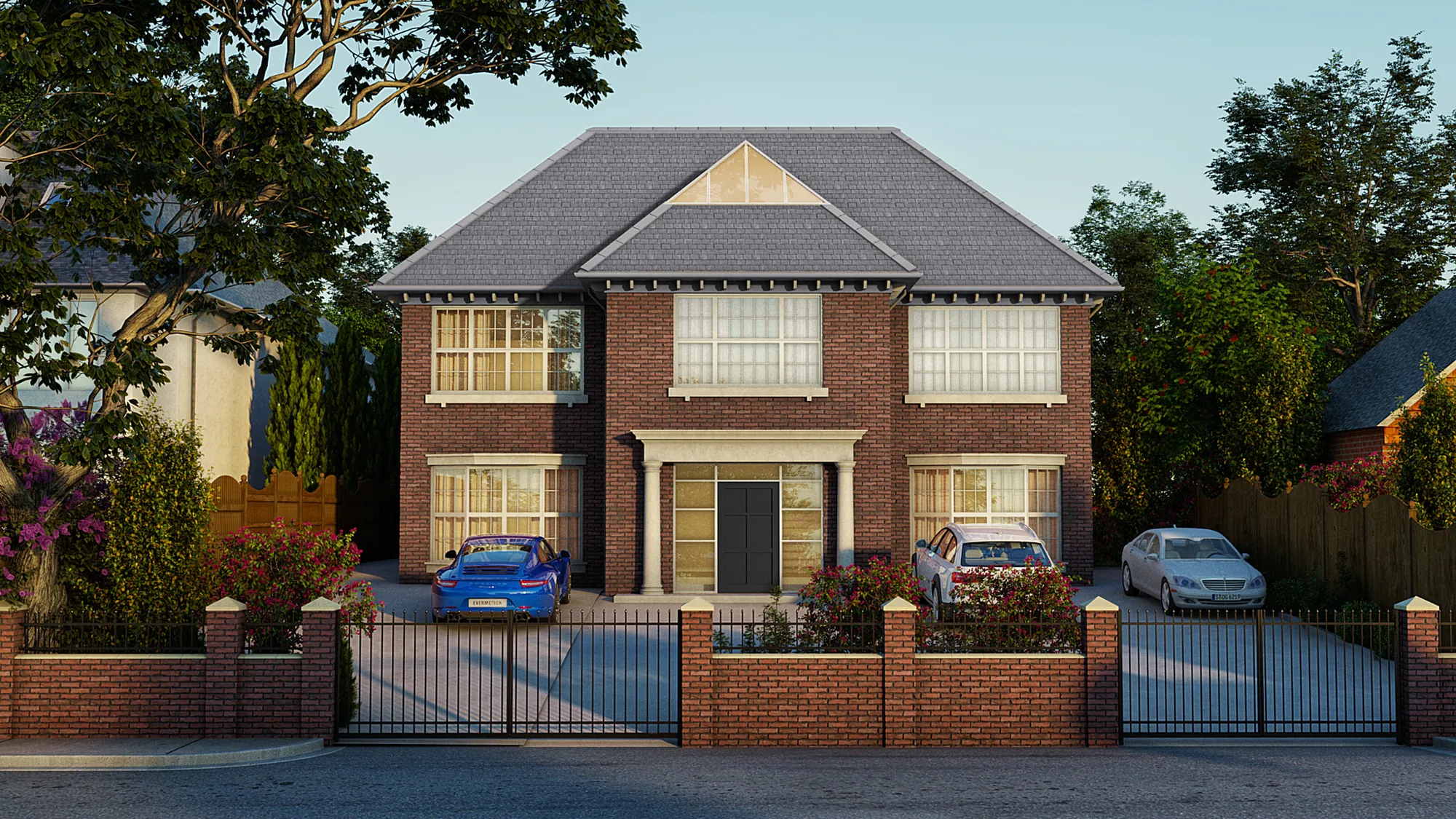
Loughton – 66 Alderton Hill
Loughton
Demolition of an existing dwelling and replacement with a five‑bed home, including associated amenities, external works and parking. AEC were instructed and achieved planning permission.
View projectConstraint mapping, district-level policy review, capacity testing through sketch layouts, an initial viability view and a recommended route, all grounded in first-hand knowledge of the county. Depth is chosen to fit the decision, from rapid capacity checks to full appraisals, and scope and fee are fixed in writing before the study starts.
The district and borough councils that decide applications: Basildon, Chelmsford, Colchester, Brentwood, Braintree and the others, each under its own local plan, with Essex County Council on strategic matters. Being based in the county, the practice deals with these authorities regularly, and a study reads the specific district that will decide.
Being local shortens everything: a site can usually be walked within days and a rapid capacity view turned around quickly after that. Fuller appraisals take longer, and pre-application advice, where sought, typically adds four to eight weeks. The right timescale follows the decision the study supports, and it is agreed up front.
It depends on depth and site complexity, and the fee is fixed and agreed in writing before work starts. A rapid capacity view sits at the lighter end; a full appraisal with viability testing and pre-application advice costs more. Local ground means less time lost to travel and research, which keeps studies efficient.
Yes, and comparative studies are often the most valuable kind. Each site is appraised on the same framework, constraints, capacity, planning prospects, viability, so the comparison is honest rather than impressionistic. The report ranks the options with the evidence shown, giving a clear basis for choosing where to commit.
A written report covering constraints, capacity, planning prospects, viability and a recommended route, with reasoning shown throughout. It is built to support the decision at hand and to be read by lenders, partners or boards as well as the client. If the project proceeds, the findings feed straight into design.
From schools to homeowners, we work closely with every client to deliver thoughtful, lasting architecture here’s what they’ve said about working with us.
We’re always up for a new challenge. Whether it’s a home, a school, or something completely unique.