Design support during further education construction, with queries, changes and compliance managed around teaching, term dates and funding.
.webp)
A college build runs against the academic calendar and through a campus that keeps teaching, with specialist spaces that raise the stakes on every technical decision. Our construction support service holds further education projects to their design, answering contractor queries against the approved information, reviewing samples and substitutions before installation, issuing revisions under change control and logging every change against the consent and the technical design package. Vocational spaces get particular attention, because their servicing and safety requirements are easy to erode and hard to restore once built. Phasing respects teaching and term dates, noisy operations are aligned with breaks where the programme allows, and handover assembles the documentation a funding body expects. Changes stepping outside the consent are routed properly, drawing on our planning and approvals work. Involvement is scoped in writing, from periodic reviews to a standing role, around the college's own delivery team.
Off-site fabrication and on-site build proceed under the contract, with the design team answering queries, inspecting quality and tracking compliance as details are finalised.
Systems are commissioned and tested, snags are resolved, and as-built information is issued as the building moves into use and aftercare.
Look at the whole processAround the campus and its calendar. A note through the contact form or to info@aecarchitecture.co.uk with the project, its consent, the contractor position and the term dates that frame the programme starts it, and AEC responds with a conversation about the drawings, the phasing and where design input matters most. A written scope follows: full support from contractor appointment to handover, or a defined package such as condition discharge, substitution reviews or milestone inspections. On site the team works beside the contractor, the college's project lead and any funder's monitor, with the design role mapped clearly, decisions documented and vocational spaces watched closely so what opens can teach what it was built to teach.
College builds carry specialist spaces with real servicing, extraction, power, safety, and the team reviews substitutions and site changes knowing what those spaces must do. A workshop or training kitchen that is quietly value-engineered can stop teaching what it was built to teach, and that is caught before it happens.
Education work under public funding has fixed the practice's habits: documented decisions, controlled change and compliance evidenced without prompting. College projects, answerable to funding bodies and auditors, run on exactly those habits, which arrive as standard rather than as an added cost.
Where AEC designed the scheme and drew the technical package, the same reasoning follows it onto site; where it did not, a structured review builds that understanding first. Either way a college deals with one accountable team from query to completion, and the record a funder expects arrives whole.
By reviewing every change against what the space must do, not just against the drawings. A training kitchen's extraction, a workshop's power and dust extraction, a science room's services, these are the details a value-engineering exercise tends to trim without seeing the consequence, so substitutions and site changes affecting them are checked against the teaching requirement before they are built. Compliance runs alongside: changes are tested against the Building Regulations package so approved performance holds, and building control inspects at key stages. Where a specialist requirement carried from design is at risk, it is flagged to the college early, while options remain. The change record ties the finished spaces to the consent and the funding, so a funder sees that what it paid for is what teaches, and the campus gets facilities that work from the first term.
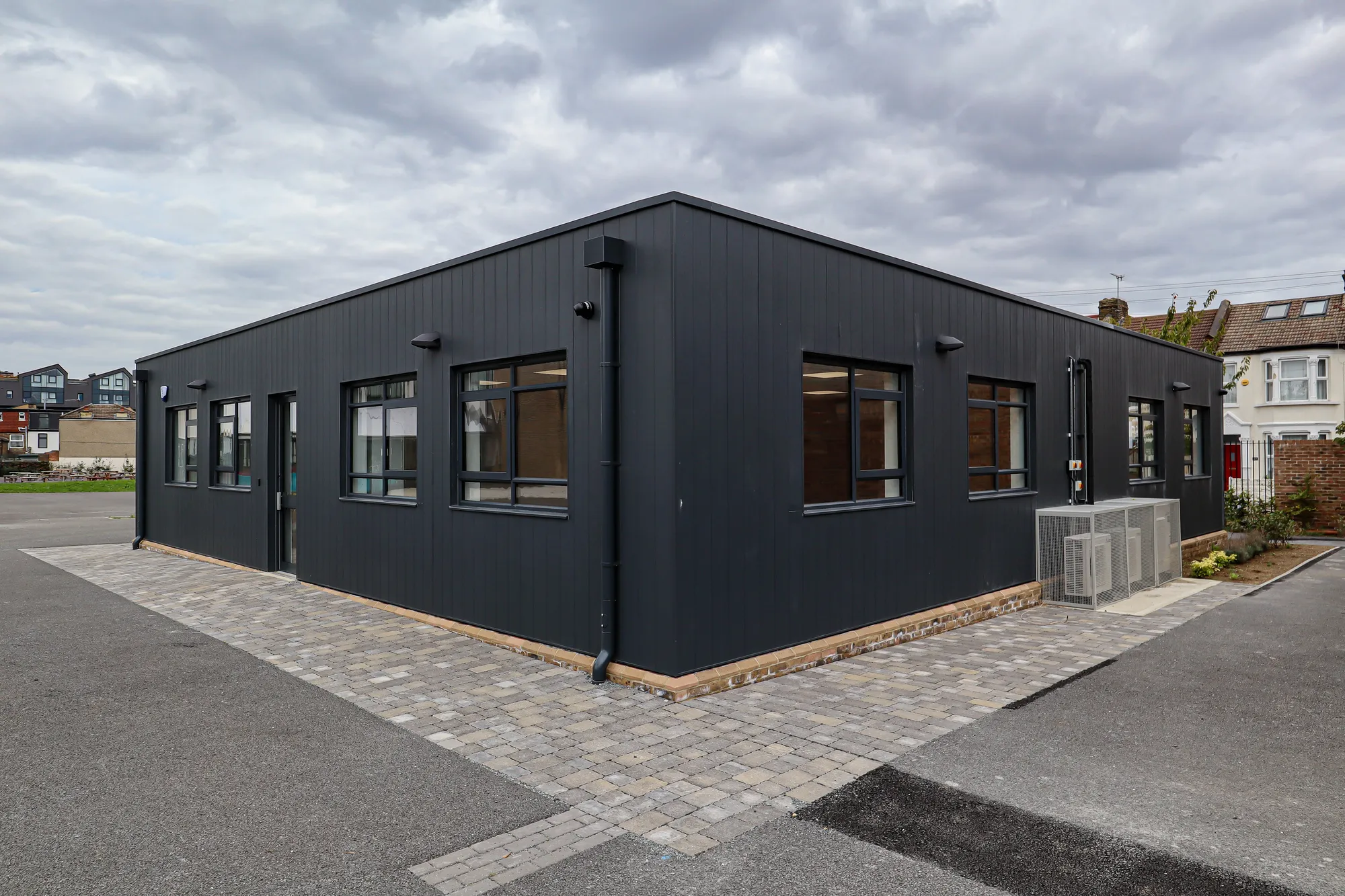
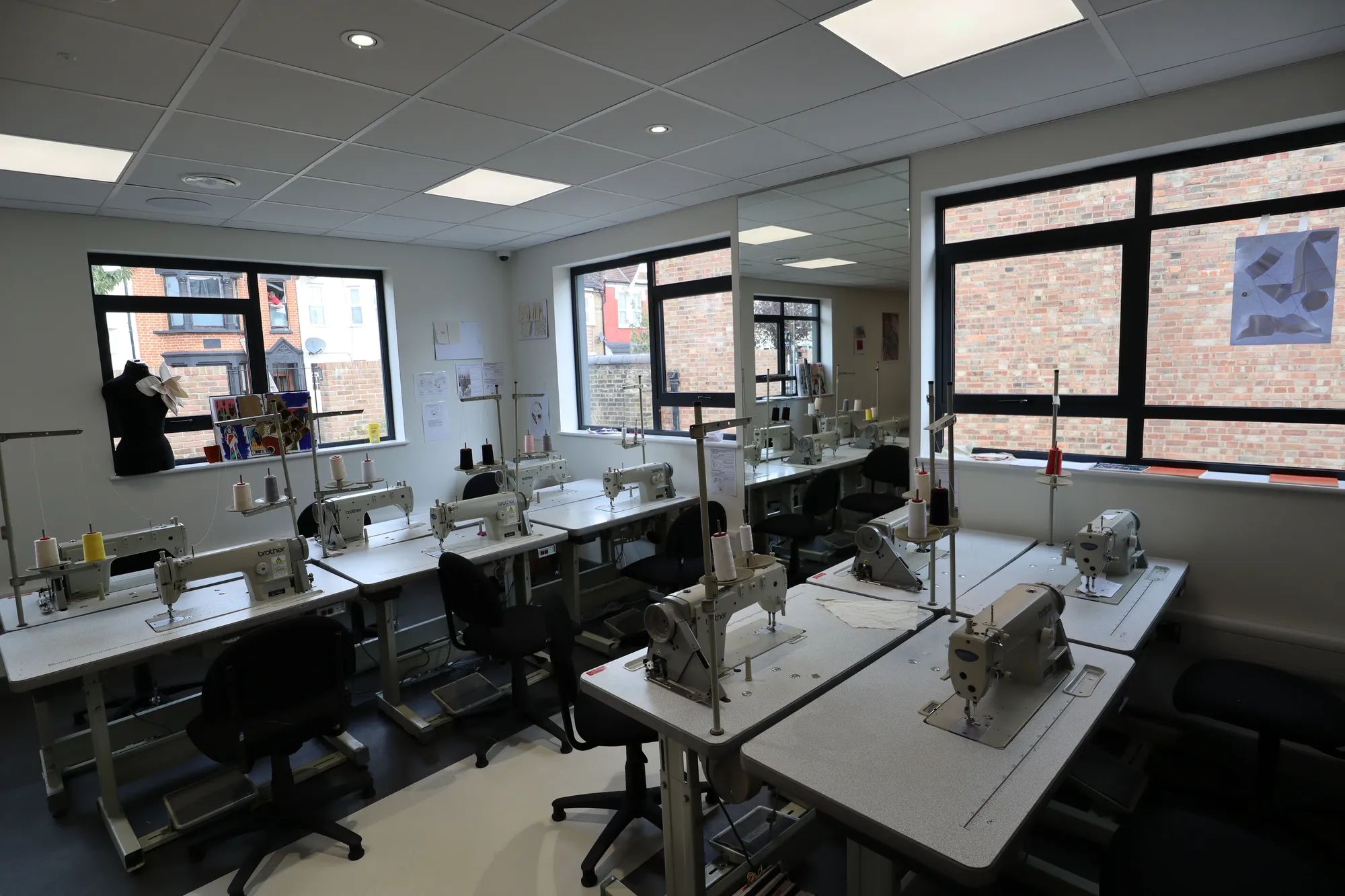
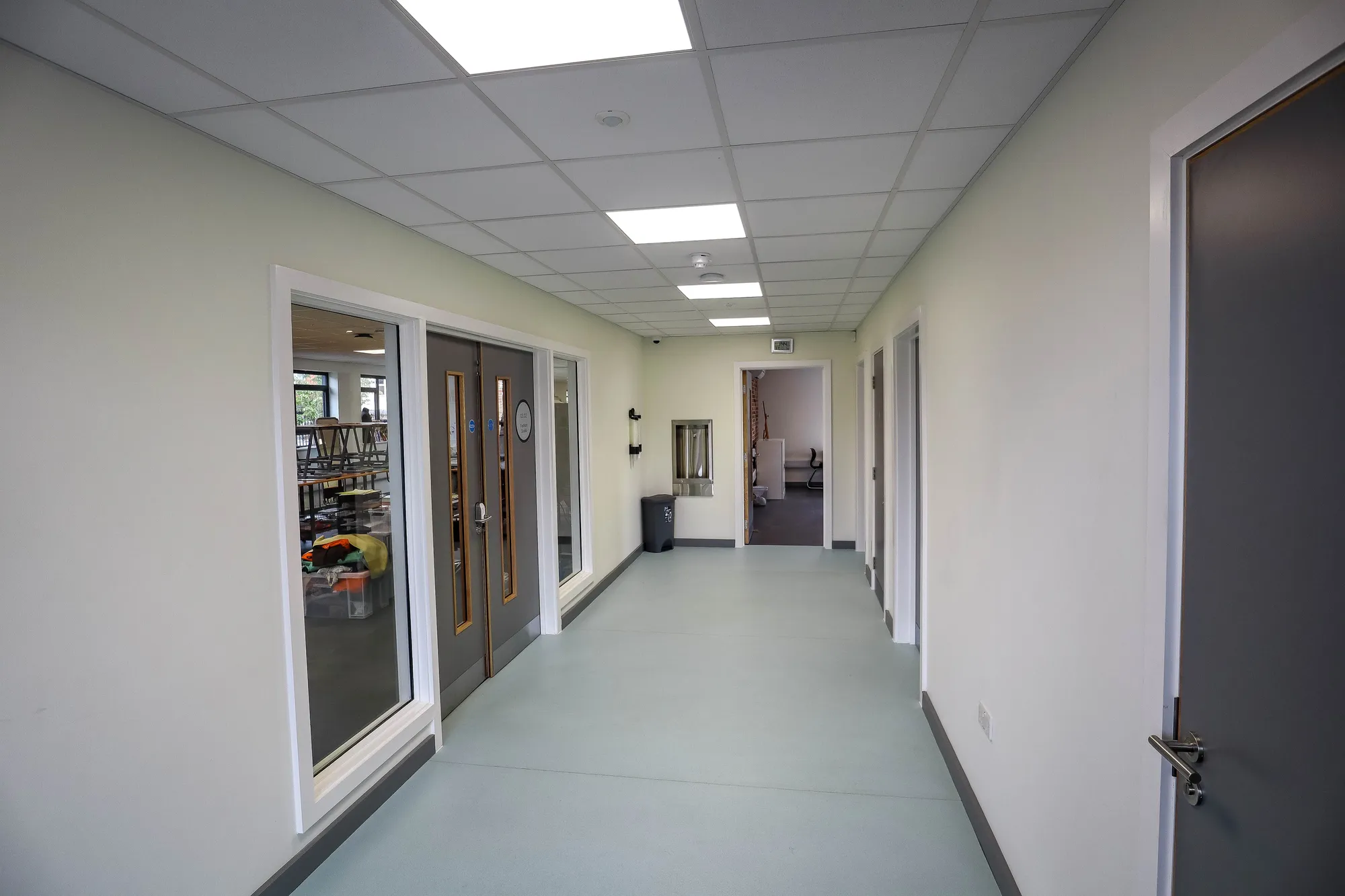
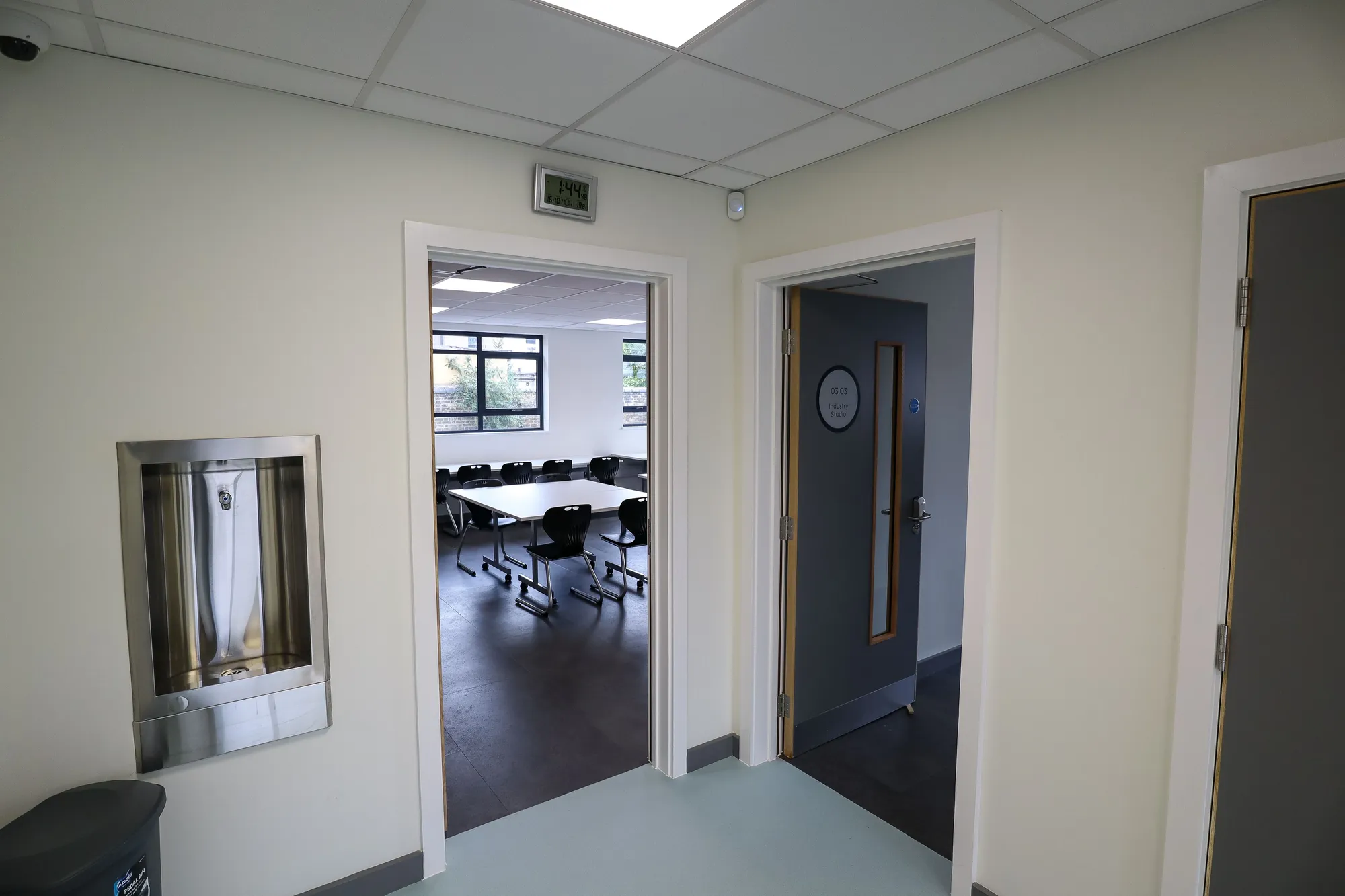
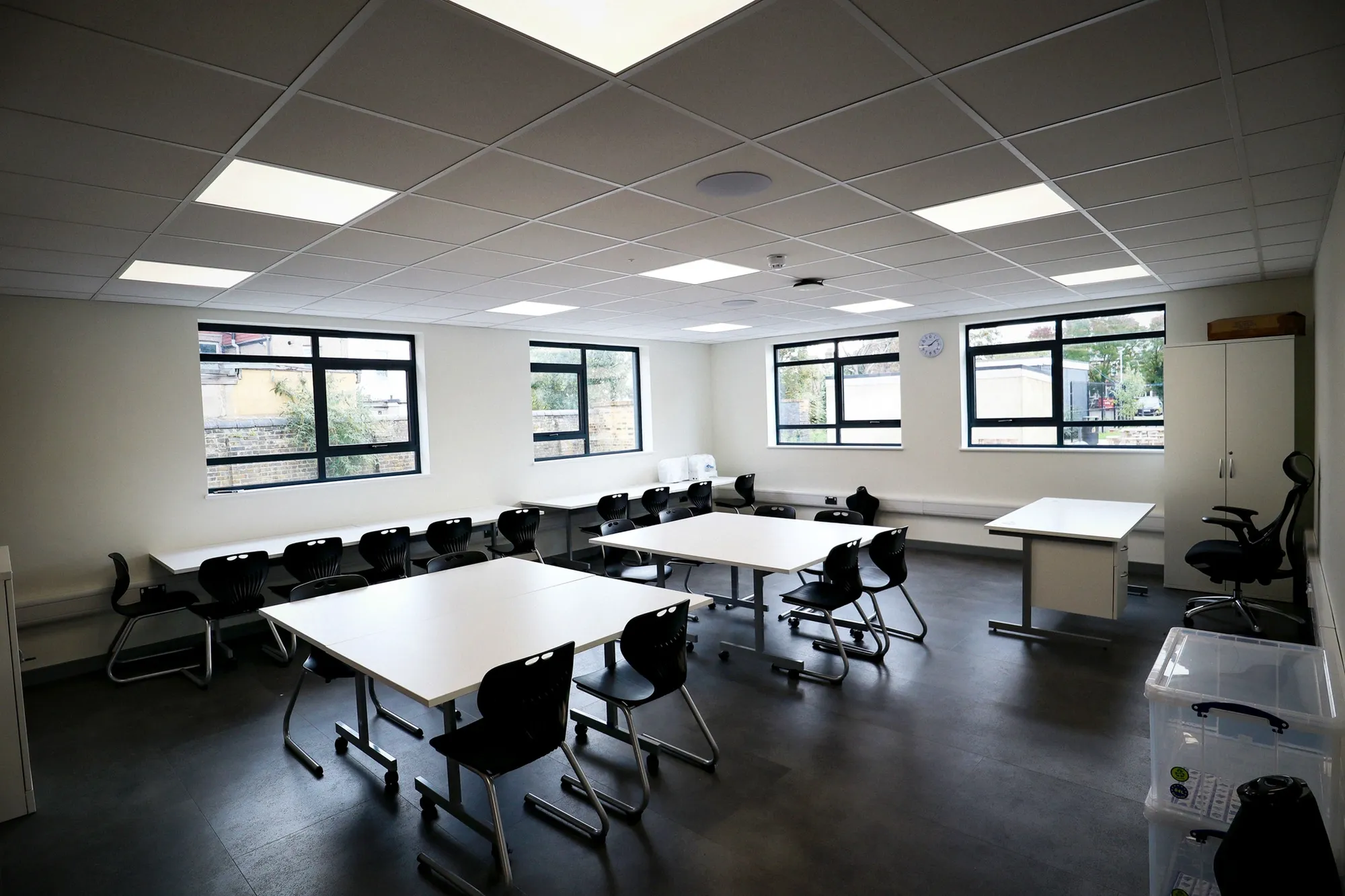
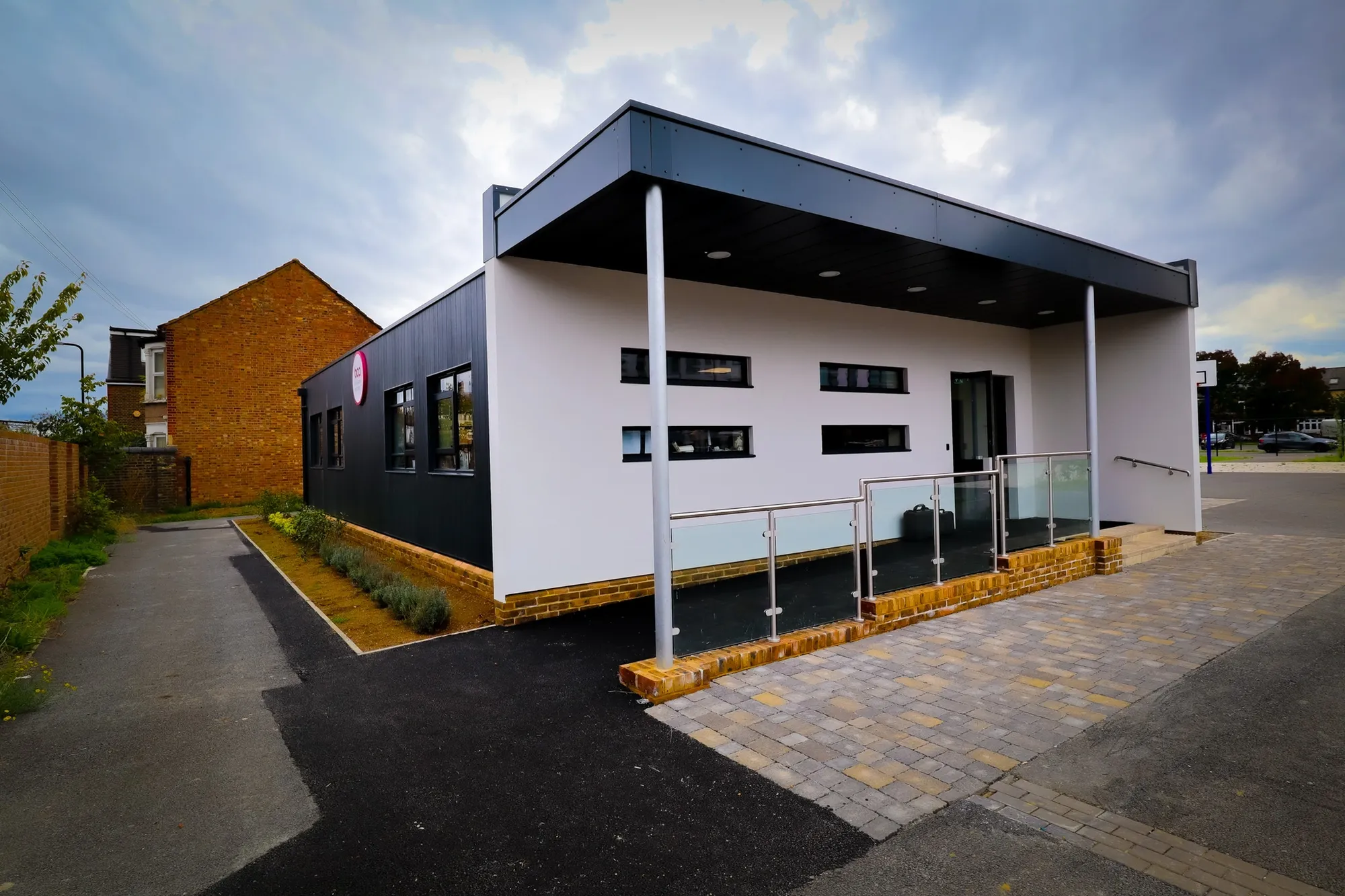
Big Creative Academy
London
Planning secured for a modern teaching block with three fashion studios, a central hub and facilities. AEC led from sketch through planning and technical drawings, then managed construction on site.
View projectContractor query responses, reviews of samples and substitutions with vocational spaces watched closely, revisions under change control, planning condition discharge, building control coordination and site presence at an agreed rhythm. Records are kept to the standard funding bodies expect. Scope runs from periodic reviews to full support and is fixed in writing first.
By checking every change against what the space must do to teach, not just against the drawings. Extraction, power, servicing and safety in workshops, kitchens and technical rooms are easy to erode through substitution, so changes affecting them are reviewed against the teaching requirement and flagged to the college before anything that would compromise the space is built.
Yes, and support is planned that way. Noisy or disruptive operations are aligned with breaks where the programme allows, phasing keeps the campus teaching, and design queries are answered at the pace a fixed opening date demands. The academic calendar is treated as a hard constraint the change process is built around from the start.
At contractor appointment, ideally, so early queries and pre-commencement conditions are handled before they cost programme, and the review of vocational spaces is established from day one. A project already on site can be joined at any point, starting with a review of the approved information and conditions.
Against a written scope following the funding route: a regular fee across the construction programme for full appointments, or fixed fees for bounded packages such as condition discharge or milestone inspections. Programme length, the number of specialist spaces and required presence set the level, all documented and accepted before the appointment starts.
The contractor, the college's own project lead and any funder's monitor on the scheme. The service complements the delivery team rather than duplicating it, covering the design side: queries, revisions, compliance and the protection of specialist teaching spaces. The written scope maps every boundary so nothing falls between the roles involved.
From schools to homeowners, we work closely with every client to deliver thoughtful, lasting architecture here’s what they’ve said about working with us.
We’re always up for a new challenge. Whether it’s a home, a school, or something completely unique.