Design support while community buildings are built, with queries, changes and grant conditions managed for volunteer clients on tight budgets.
.webp)
Between start on site and opening day, a community project generates the same decisions any build does, substitutions, queries, finishes to judge, but with less budget slack and a volunteer client carrying the risk. Our construction support service manages them, answering contractor queries against the approved information, reviewing samples and substitutions before they are installed, issuing revisions under change control and keeping a record that ties the finished hall to the consent and the technical design package. Grant conditions are held in view throughout, because funders check that what they paid for is what got built. Costs are watched with the discipline a fixed budget demands, and where a change is unavoidable, its implications are explained plainly to the committee before anything is committed. Handover assembles the documentation trustees and funders need. Involvement is scoped in writing, from periodic reviews to a standing role, around the committee's own team.
Off-site fabrication and on-site build proceed under the contract, with the design team answering queries, inspecting quality and tracking compliance as details are finalised.
Systems are commissioned and tested, snags are resolved, and as-built information is issued as the building moves into use and aftercare.
Look at the whole processAround the committee and its funding. A note through the contact form or to info@aecarchitecture.co.uk with the project, its consent, the contractor position and the grant conditions starts it, and AEC responds with a conversation about the drawings, the programme and where design input will matter most. A written scope follows: full support from contractor appointment to handover, or a defined package such as condition discharge, substitution reviews or milestone inspections, priced proportionately. On site the team works beside the contractor, the committee's representative and any funder's monitor, with the design role mapped clearly and decisions recorded plainly enough for a committee to report. The pace respects that volunteers have day jobs, so nothing waits unnecessarily on a committee meeting.
Community buildings are usually grant-funded, and grants come with conditions that construction must honour: what is built, how it is evidenced and when it completes. The team keeps those conditions in view on site, so a change that seems harmless does not quietly breach the funding that made the project possible.
Committees rarely build for a living, so support includes translation: explaining what a contractor's query means, what a change would cost and what a decision commits them to. The practice's public sector habits, plain records and clear reasoning, suit clients who must report every step to trustees and funders.
Where AEC designed the building and drew the technical package, the same team follows it onto site; where the drawings came from elsewhere, a structured review builds understanding first. Either way a committee deals with one accountable practice from query to completion, and the record a funder expects arrives whole.
By treating every change as a cost before it becomes one. Substitutions are reviewed for their effect on budget and grant conditions as well as on quality, and where a contractor proposes an alternative, its true implications are set out for the committee rather than waved through. Where savings are needed, options are presented with consequences shown, so the committee cuts with its eyes open rather than discovering the loss at handover. Planning conditions are discharged in step with the programme through our planning and approvals work, so no administrative delay adds cost. The change record keeps the funder's requirements satisfied, because a grant clawed back for an unevidenced change is the worst outcome a community project can suffer. Careful support is not an overhead on a tight budget; it is how the budget survives.
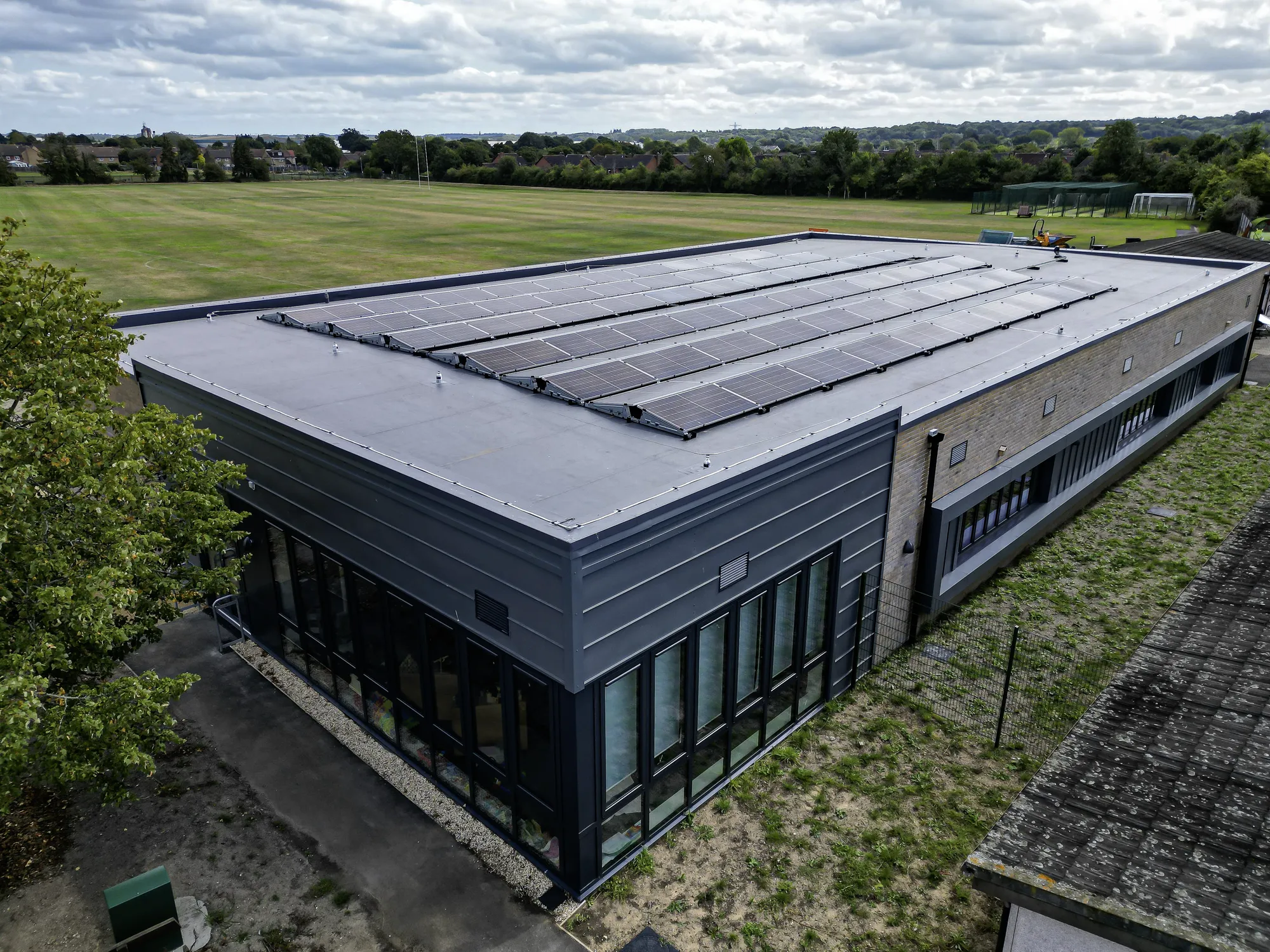
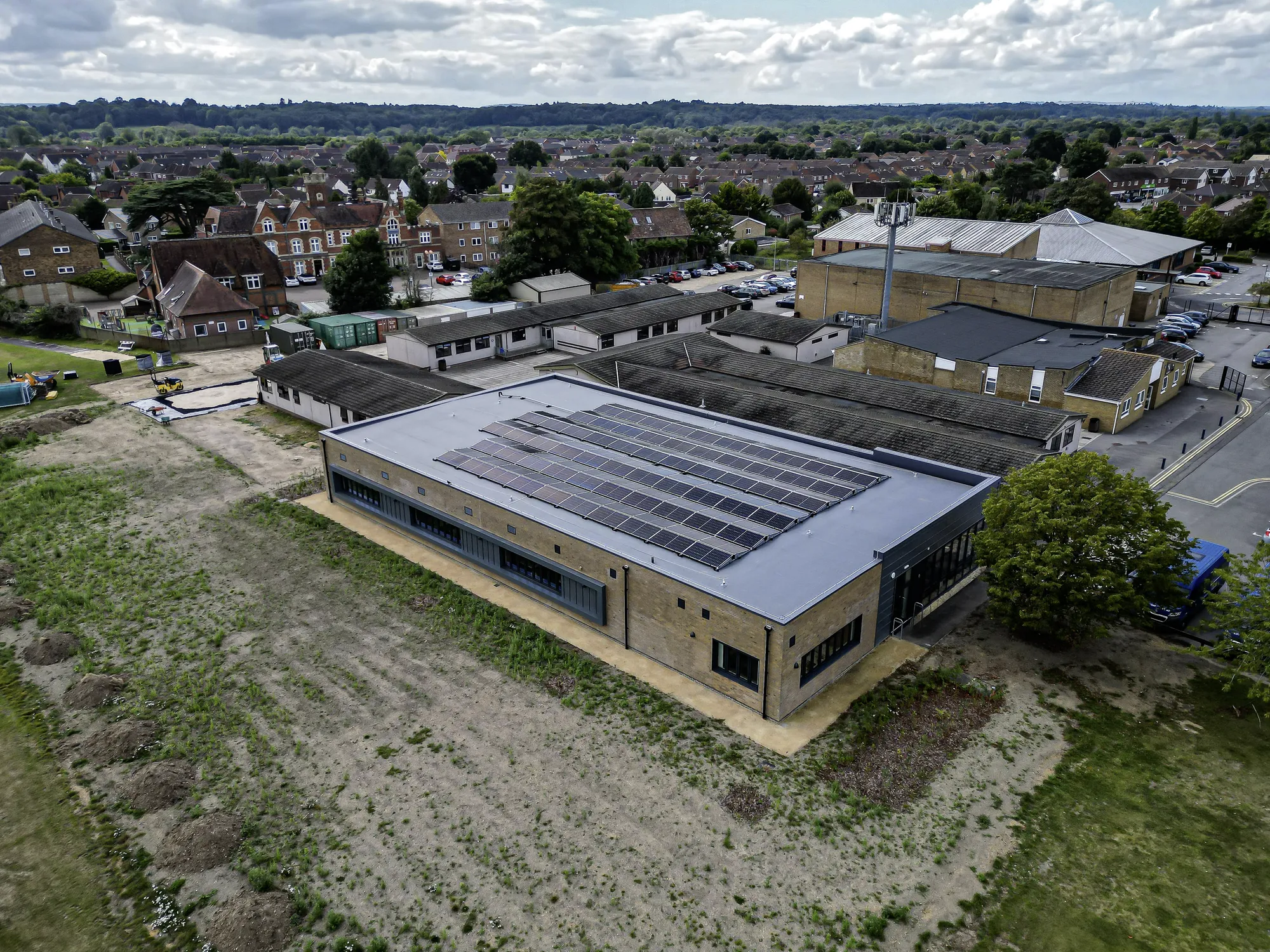
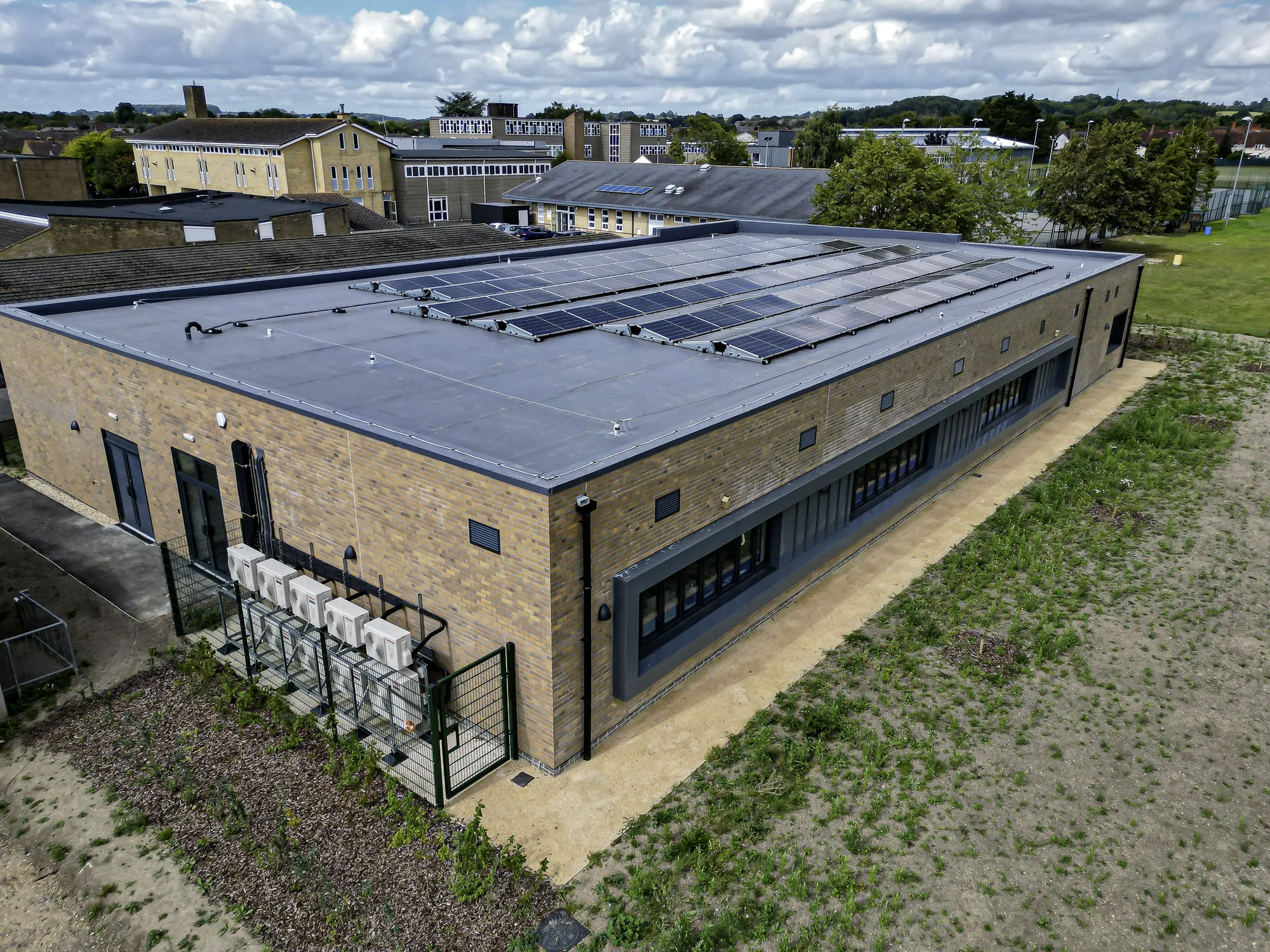
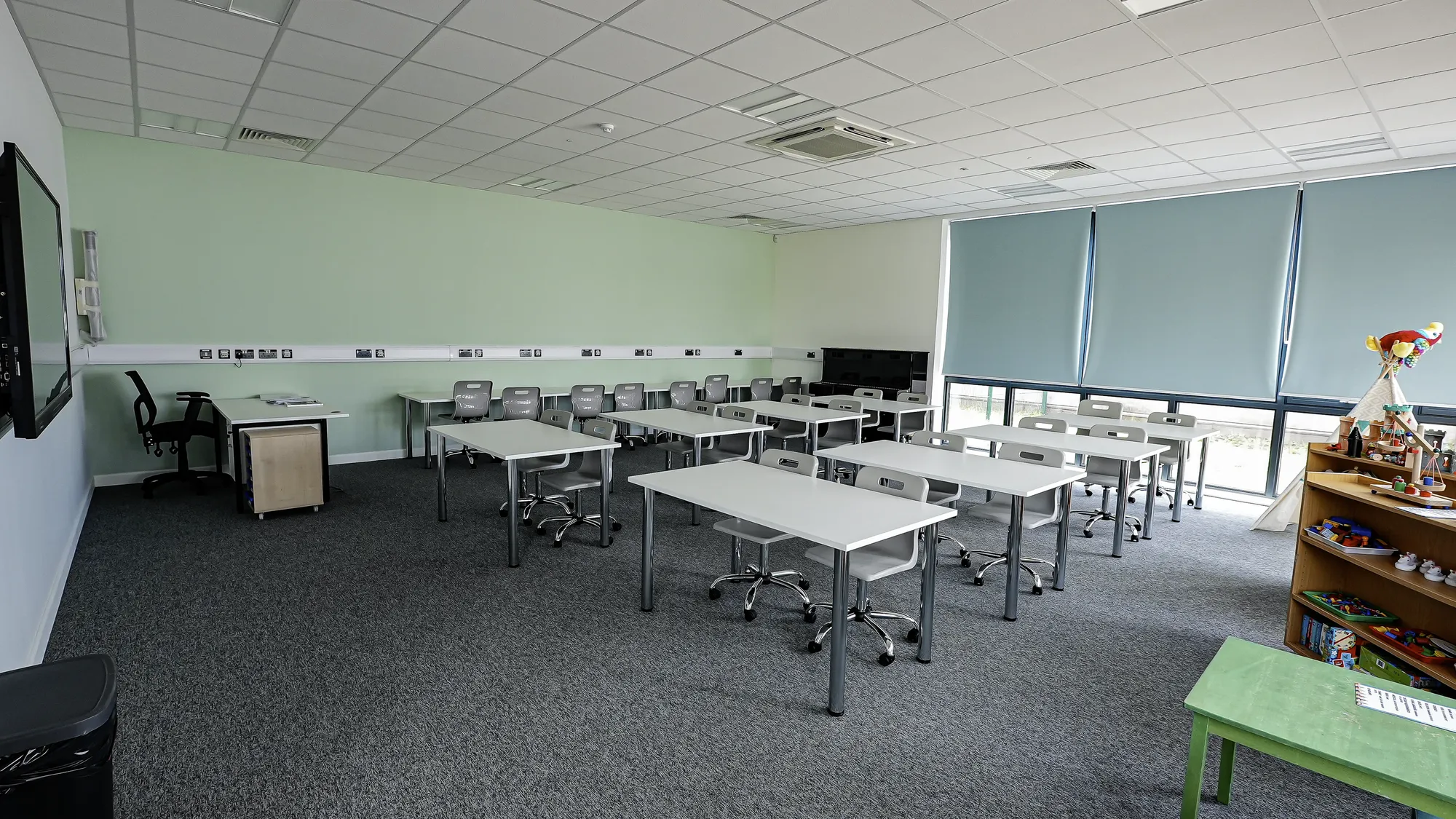
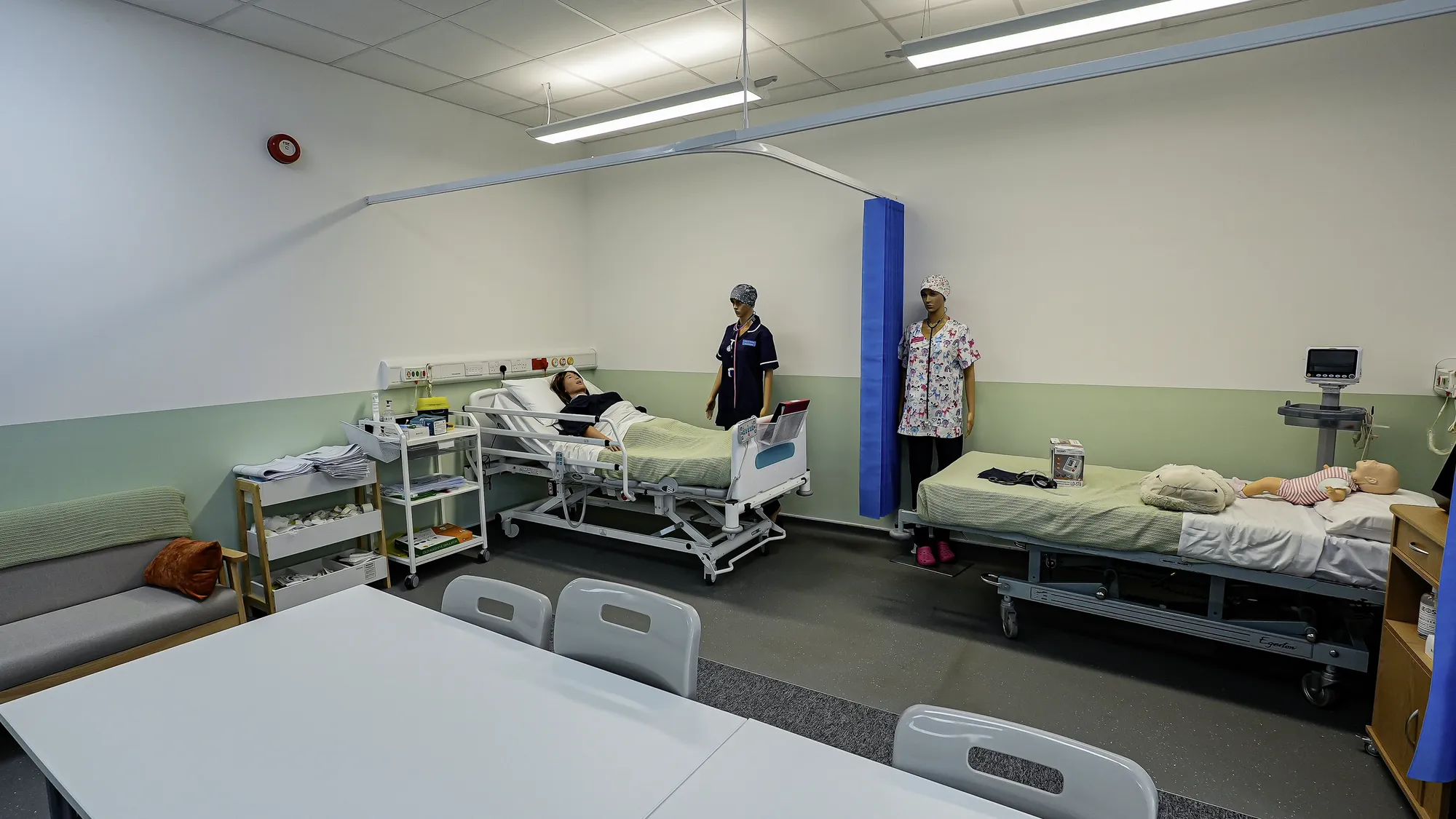
Kennet School (BREEAM)
Thatcham
Single‑storey replacement block providing six classrooms, designed to achieve a BREEAM ‘Excellent’ rating. AEC led early design coordination with the assessor, progressed to Building Regulations drawings and oversaw construction.
View projectContractor query responses, reviews of samples and substitutions, revisions under change control, planning condition discharge, building control coordination and site presence at an agreed rhythm, with grant conditions and budget kept in view throughout. Records are kept to the standard funders expect. Scope runs from periodic reviews to full support and is fixed in writing first.
By keeping them in view at every decision. Changes are checked against what the grant funded and how it must be evidenced, not just against the drawings, so a well-meant substitution does not breach the funding. The change record accumulates the evidence a funder expects, which protects the grant from clawback at completion.
Yes, and the service is shaped for them. Contractor queries and changes are explained in plain terms, decisions are recorded so committees can report to trustees and funders, and the pace respects that volunteers have other commitments. A committee should feel informed and in control, not swept along by a process it cannot follow.
At contractor appointment, ideally, so early queries and pre-commencement conditions are handled before they cost programme or budget, and grant conditions shape the change process from day one. A project already on site can be joined at any point, starting with a review of the approved information and the funding conditions.
By scoping support to what the project needs and pricing it proportionately: periodic reviews and defined packages for the tightest budgets, fuller support where the project warrants it. Fixed fees keep costs predictable, and the basis is agreed in writing before the appointment, so a committee commits to a known figure.
The project, its consent, the contractor position and the grant conditions, through the contact form or to info@aecarchitecture.co.uk. AEC arranges a conversation, then issues a written scope and fee basis a committee can consider properly. Work starts on acceptance, opening with a review of the approved drawings and conditions.
From schools to homeowners, we work closely with every client to deliver thoughtful, lasting architecture here’s what they’ve said about working with us.
We’re always up for a new challenge. Whether it’s a home, a school, or something completely unique.