Design attention while the building goes up in Bury St Edmunds, with conservation area consents handled carefully to completion.
.webp)
A large conservation area covers the town centre, so permissions in Bury St Edmunds often read like specifications: materials named, details drawn, commitments recorded. Our construction support service holds builds to those terms, answering contractor queries against the approved information, reviewing samples and substitutions before orders are placed, issuing drawing revisions under change control and logging every change against the consent. Projects in Thurston, Horringer and Great Barton are covered alongside the town itself, across education, commercial and residential work. Involvement is scaled to suit, from periodic advice on a single building to a standing role on a phased scheme, and answers carry cost and programme in view as well as design, because conservation care and commercial reality have to work together on site.
Off-site fabrication and on-site build proceed under the contract, with the design team answering queries, inspecting quality and tracking compliance as details are finalised.
Systems are commissioned and tested, snags are resolved, and as-built information is issued as the building moves into use and aftercare.
Look at the whole processBoth are available, and the project decides. The way in is a note through the contact form or to info@aecarchitecture.co.uk with the outline: site, consent, stage, team. A full appointment then carries the build from contractor appointment to completion, with AEC handling queries, revisions, conditions and compliance throughout; a defined package covers a narrower need, such as discharging conditions with the council, reviewing substitutions on conservation-sensitive materials or attending a set number of inspections. The first conversation weighs where the risk sits before anything is recommended, and the written scope that follows maps AEC's design role against the contractor, any project manager and the consultants already engaged.
The architecture team shares the Academy Estate Consultants group with planning and development specialists, so consent questions raised during construction are settled with proper planning judgement rather than guesswork. In a town centre governed by a large conservation area, knowing precisely what a permission allows earns its keep week after week.
The service is defined by staying involved: visiting site, answering contractor queries while they are current, reviewing samples and proposals before anything is fixed and checking finished work against the approved information. Sustained attention is what keeps a build faithful to its drawings from the first week to the last.
Funded education projects, delivered under planning, Building Regulations and site-stage scrutiny, have fixed the practice's habits: documented decisions, controlled changes, compliance evidenced as standard. Clients in Bury St Edmunds get those habits on their own projects, where they protect conservation commitments as effectively as they protect public budgets.
As commitments with consequences, not paperwork. Conditions attached by West Suffolk Council, on materials, joinery details, roofing or shopfronts, are discharged through approval of details submissions prepared with the same care as the original application, and the products ordered are checked against what was approved before they arrive on site. Where a substitution is unavoidable, the change is agreed with the council through the proper route before installation, never after. Each condition response is kept consistent with the wider architectural design, so what satisfies the conservation officer also satisfies the client. Building control inspections run in parallel at key stages, keeping Building Regulations compliance on the same timetable.
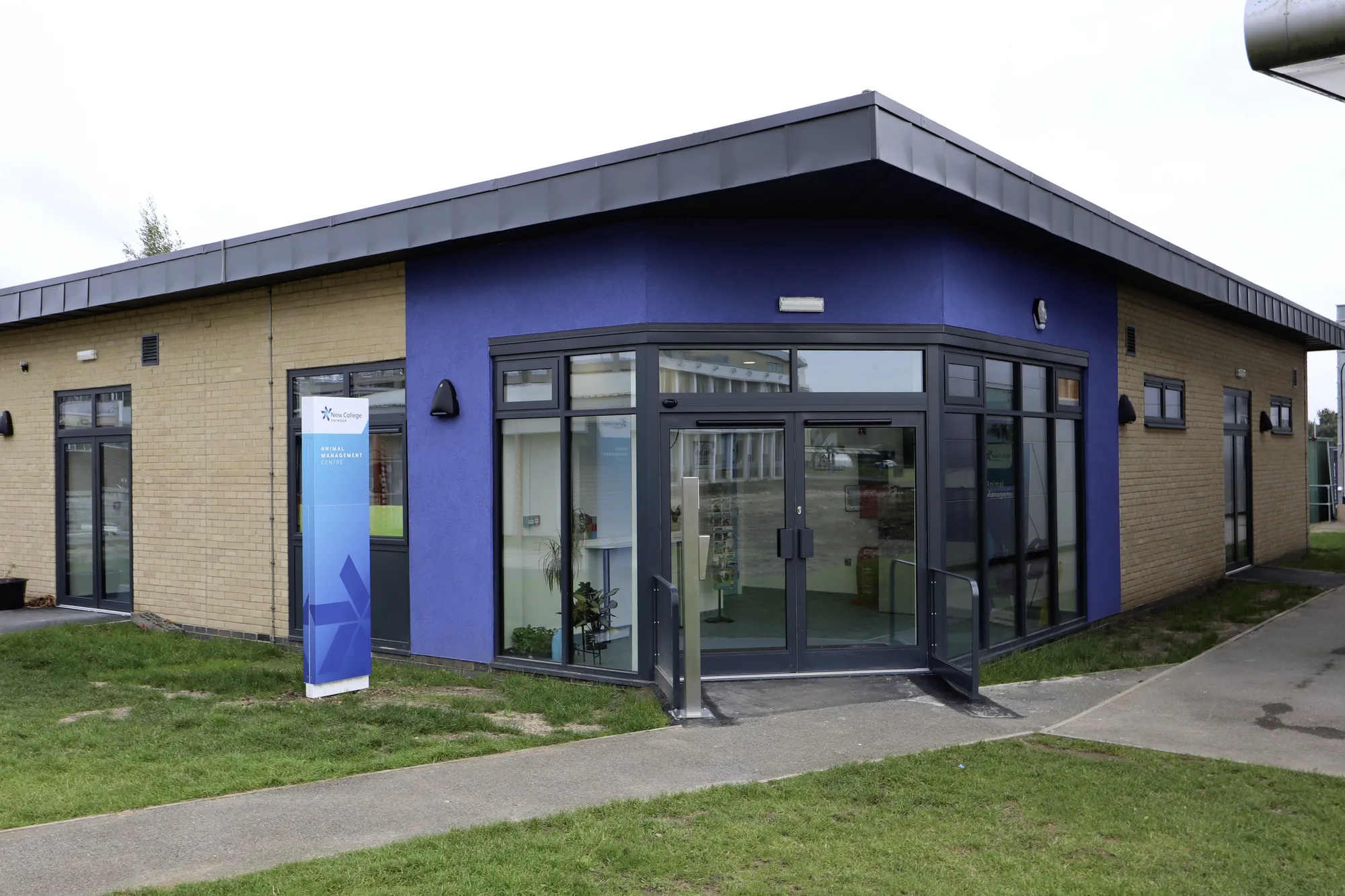
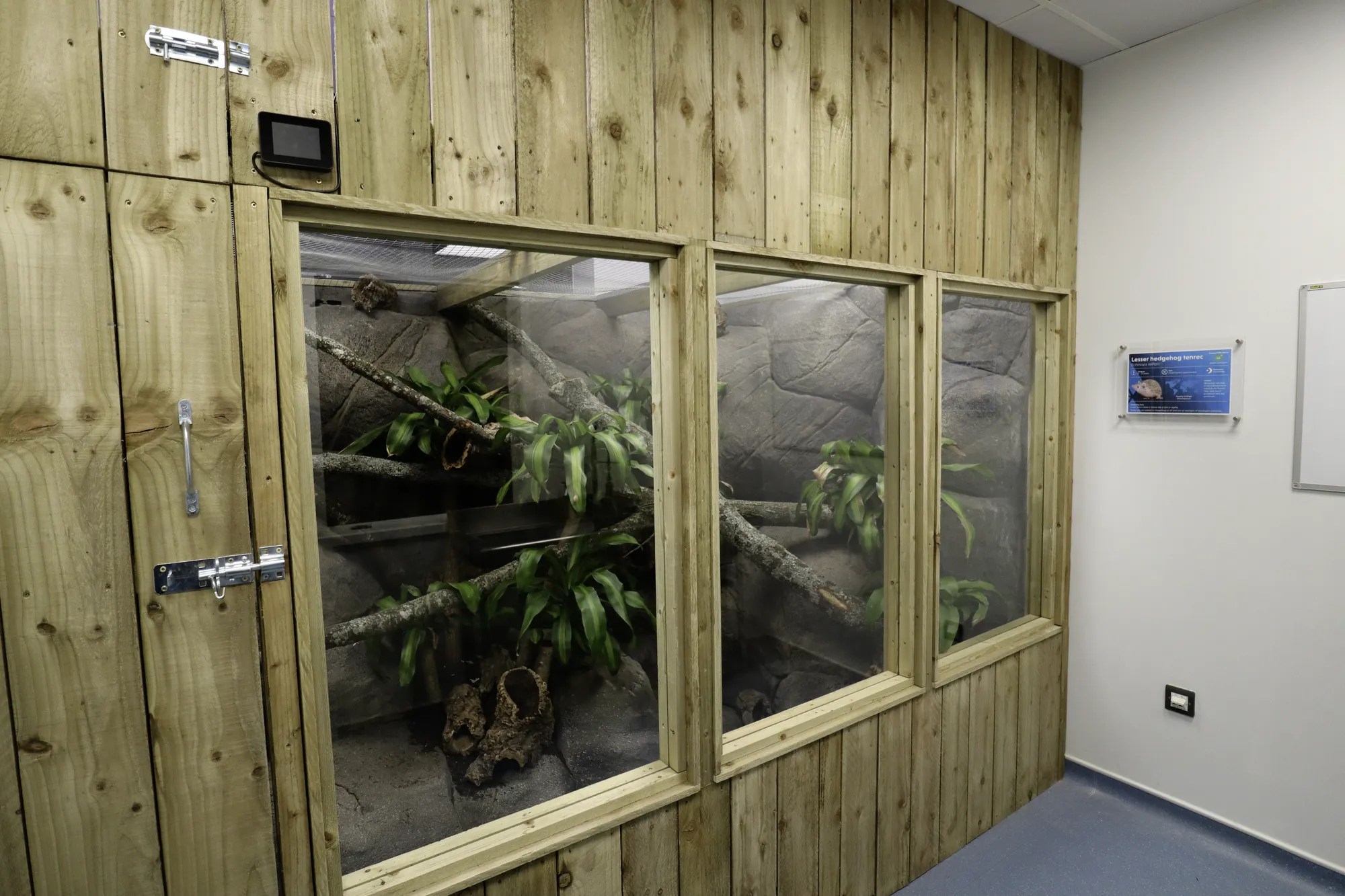
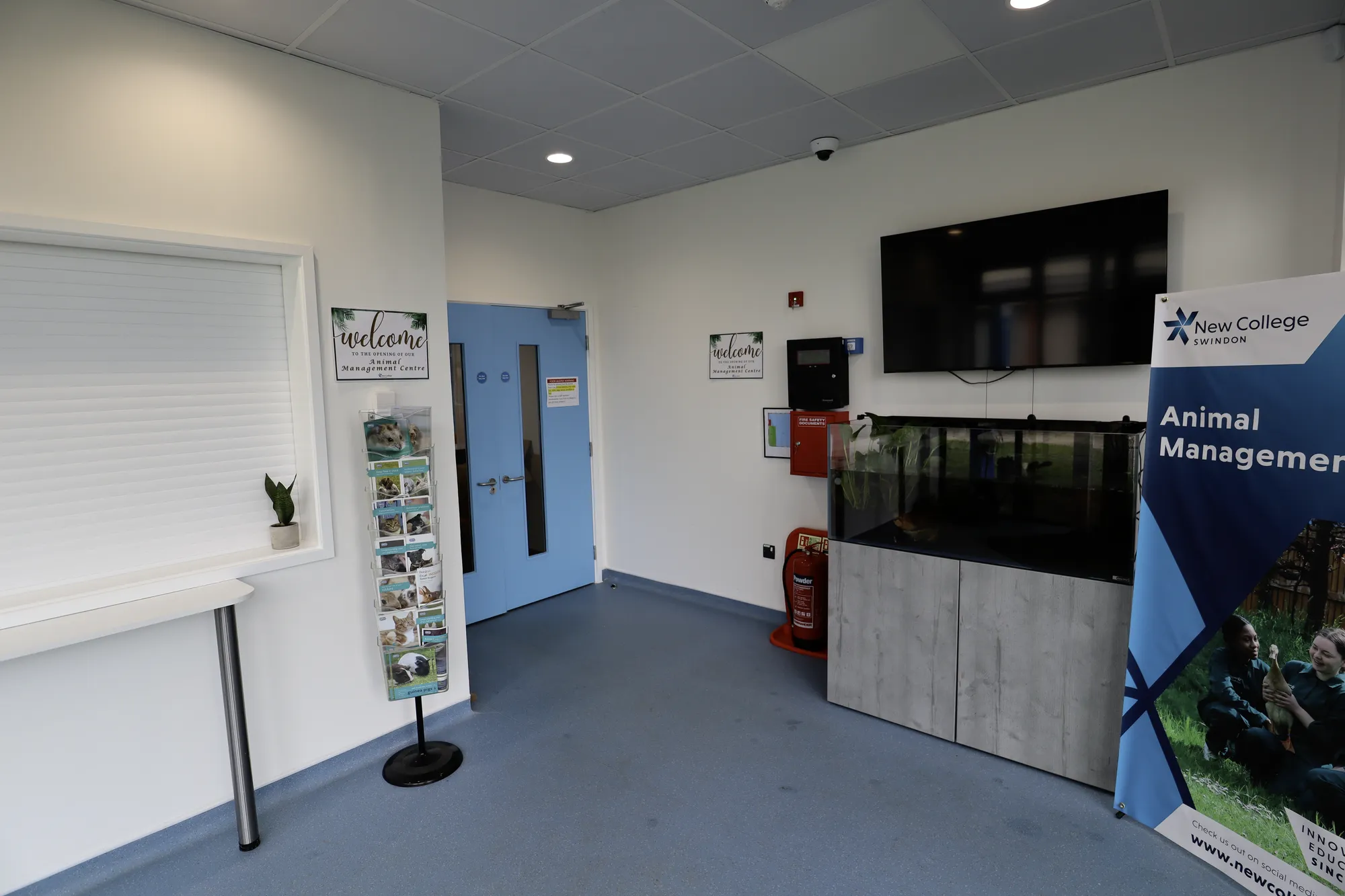
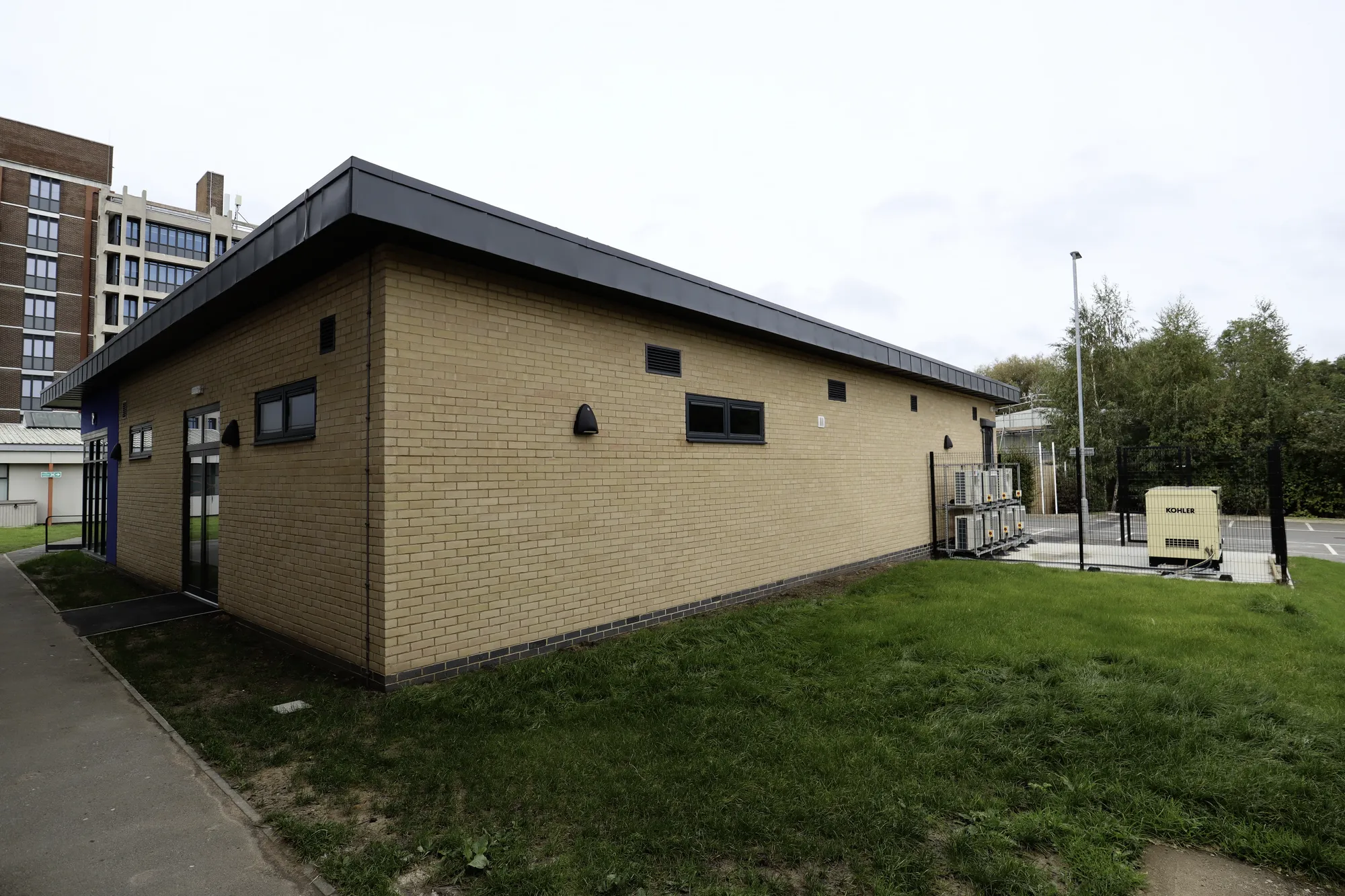
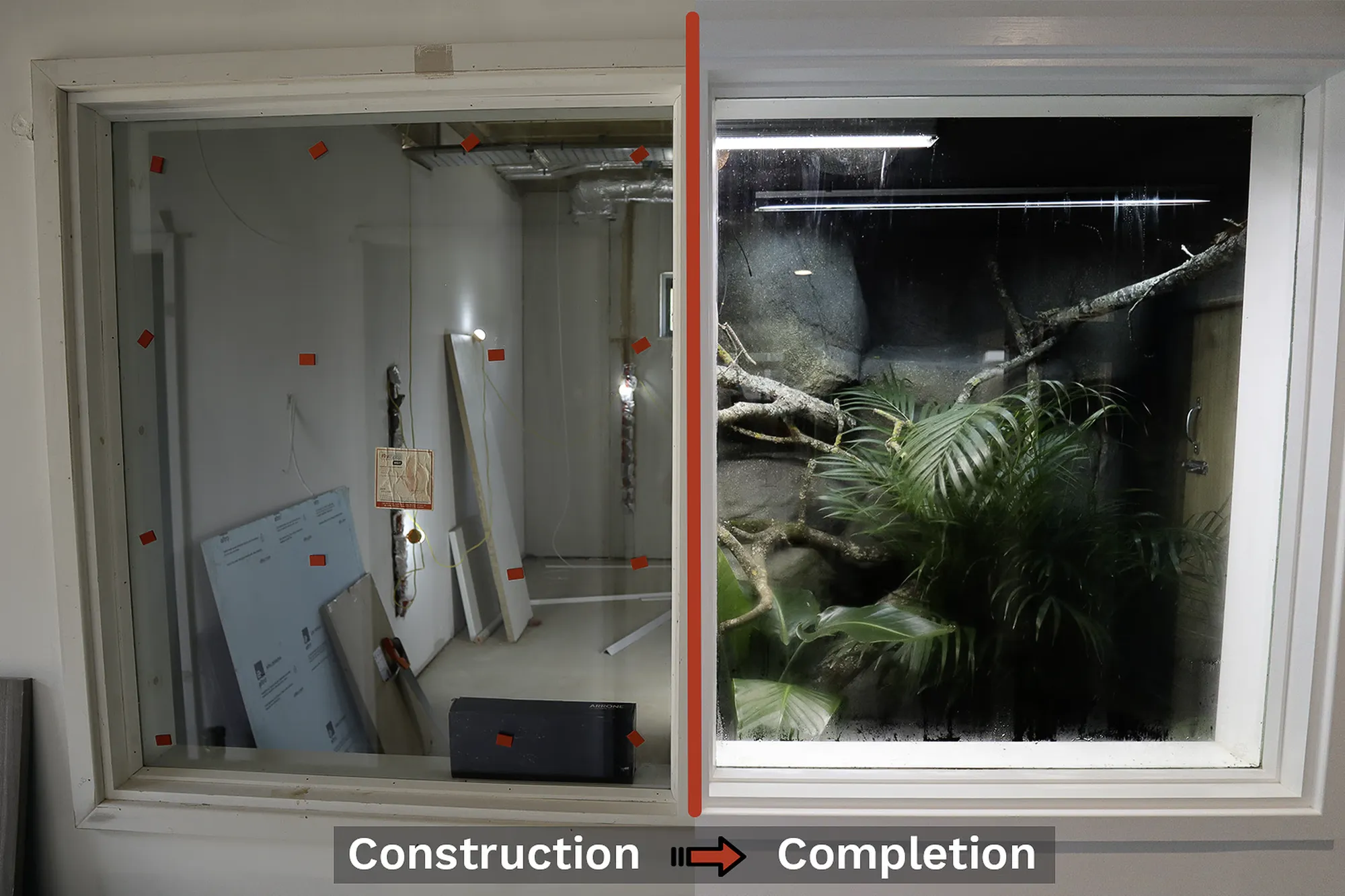
New College Swindon (Animal Centre)
Swindon
Replacement animal centre modernises teaching rooms and adds welfare areas for viewing and care. AEC delivered end-to-end: secured funding, achieved planning, obtained Building Regulations approval, and provided administrative support.
View projectThey are all design-side. Across the build AEC answers contractor queries, reviews samples and substitutions, issues drawing revisions under change control, progresses condition discharge and coordinates building control, with site visits at the agreed rhythm. Everything is logged against the consent. The contractor still delivers and any project manager still runs the process. Scope is set in writing.
West Suffolk Council is the planning authority for Bury St Edmunds and for Thurston, Horringer and Great Barton nearby. Conditions are discharged through the council and amendments agreed with its officers. The large town centre conservation area means many consents carry specific commitments on materials and details that must hold through construction.
Ideally yes. Having support ready before the contractor starts means pre-commencement conditions are discharged in time and the first site queries reach someone who knows the scheme. Starting back at technical design keeps one team's reasoning through the whole project. A later start still works, opening with a review of the approved information and the site position.
The written scope settles it. After the opening conversation has established how long the build will run, how involved the consent is and how much site presence the project needs, AEC sets out a fee basis: a regular amount across the programme, or a fixed price for a defined package. It is agreed before work starts.
Yes. Replacing people is not the point of the service. The contractor stays on the works, any project manager stays on the process and existing consultants keep their roles, while AEC provides the design layer around them: queries, revisions, compliance and records. Where the role starts and stops is set out plainly in the written scope.
A short message through the contact form or to info@aecarchitecture.co.uk is all it takes, with the basics: where the site is, the consent position and the stage reached. AEC gets back in touch to talk it through, then follows up with a written scope and fee basis. Nothing is committed until the proposal is accepted.
From schools to homeowners, we work closely with every client to deliver thoughtful, lasting architecture here’s what they’ve said about working with us.
We’re always up for a new challenge. Whether it’s a home, a school, or something completely unique.