Early studies for further education estates: what a site can add, what a curriculum needs and how the funding case stacks up.
.webp)
A college's estate question is rarely simple: a growing curriculum area needs space the campus does not obviously have, a tired block holds back the offer, or a whole site no longer matches what the college teaches. Our pre-planning and feasibility service turns those questions into evidence, testing curriculum-driven options through sketch capacity work, mapping the constraints of a live campus and weighing planning prospects against local policy. The disruption each option would impose on teaching is set out plainly, and costs are framed at the level a funding bid demands. Where the planning position needs testing, pre-application advice is sought, typically returning within four to eight weeks. Studies suit refurbishment, new-build and estate reorganisation alike, at depths from a rapid options view to a full appraisal, and findings feed straight into the concept design that a successful bid then funds. Scope and fee are fixed in writing first.
This is the "should we build?" moment. The team clarifies goals, budget, risks and constraints, explores options (including non-build solutions), and forms the business case. The outcome is a confirmed set of client requirements and a go/no-go decision.
All the groundwork happens here: site information, surveys, statutory context and stakeholder needs are gathered, and the Project Brief and outline programme are agreed. Procurement and planning strategies are sketched so everyone knows the road ahead.
Look at the whole processBy setting out the estate pressure and the funding context. A note through the contact form or to info@aecarchitecture.co.uk describing the need, a growing course, a failing building, a campus that no longer fits, and the bid in play opens the conversation. AEC agrees the depth, from a rapid options view to a full appraisal with planning and cost testing, and fixes the fee in writing before work begins. The study proceeds through survey, sketch testing and review with estates and curriculum staff, so findings reflect how the college really teaches, then are reported in a form a governing body and a funder can both act on. Where the answer is proceed, the same team carries the project onward.
Funded education projects anchor the practice, and further education sits within that experience: accountable clients, funding-body requirements and estates that must justify their space. A college study starts from familiarity with how these decisions are made and how the money that enables them arrives.
A college project is a planning question as well as a design one, and the Academy Estate Consultants group keeps that judgement beside the study. Options are weighed against local policy early, so a college pursues a route that can be consented rather than one that fits the curriculum plan but not the site.
Because the practice carries projects from feasibility through design, planning and construction, its studies double as funding evidence. Findings feed the concept design and cost framework a bid needs, so a college does not pay twice and the team that framed the options can deliver the one that wins support.
The fit between the curriculum's ambition and the estate's capacity. Capacity first: what a site can add once access, servicing and the specialist demands of vocational space are respected, tested with sketch layouts rather than assumed. Then the live-campus reality: where teaching goes during works, how each option affects the timetable and what disruption the college can absorb. Planning follows: local policy, the authority's stance and the consents each route would need, carried forward by our planning and approvals work. Costs are framed for the funding bid, and the recommendation names its assumptions, so a governing body decides with the risks visible. Where specialist facilities drive the project, their servicing and space demands are tested early, because a workshop that will not fit changes the whole equation.
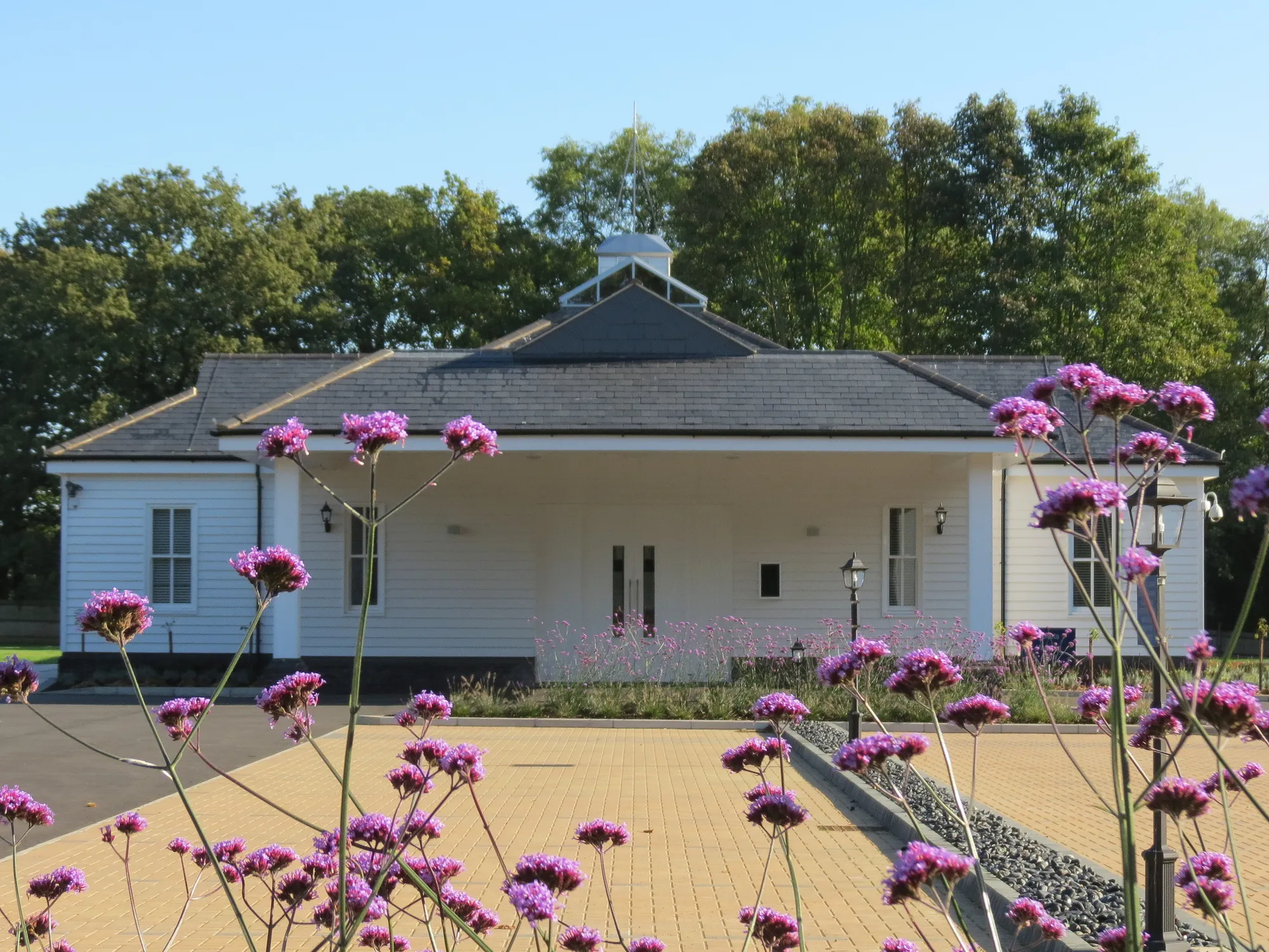
Crematorium & Cemetery, Brentwood
Brentwood
Set within beautiful, manicured grounds, the crematorium and cemetery provide a peaceful setting for remembrance and quiet contemplation. Planning consent was secured, with technical design progressed to Tender.
View projectFor a college: curriculum-driven option testing, capacity work on a live campus, a planning view against local policy, a disruption assessment and cost framing for a funding bid. Depth is scoped to the decision, from a rapid options view to a full appraisal with pre-application advice, and both scope and fee are agreed in writing before the study starts.
Usually that is its main purpose. Studies are written for the bodies further education funding comes from: capacity evidenced, options compared on equal terms, disruption assessed and costs framed at bid level. A study that survives that scrutiny strengthens the application, and its drawings and figures carry into the design stages a successful bid then funds for the college.
Before options harden and ahead of the funding deadline. A study earns most when routes are still open and the college can still choose between them. Starting early also lets pre-application advice, which typically takes four to eight weeks, land before a bid closes rather than after, keeping the timetable realistic and the bid properly evidenced.
Fixed against a written scope reflecting the campus's complexity, the number of options tested and the depth a bid needs, following any funding-body requirements. The fee is accepted before work begins, and any extension of scope is agreed in writing as it arises rather than assumed, keeping the college's budget predictable throughout.
Yes. Condition surveys, space utilisation data, estate strategies and earlier studies all feed the work and reduce its cost. The study tests that material rather than repeating it, flags where it has dated and fills the gaps that remain, so a college's earlier spending on its estate information keeps working for the current decision.
The findings are presented to estates and the governing body, structured for reuse in a funding bid. If the project proceeds, the same team can carry the chosen option into concept design and planning, keeping reasoning and momentum intact through the move from an open question into a deliverable project.
From schools to homeowners, we work closely with every client to deliver thoughtful, lasting architecture here’s what they’ve said about working with us.
We’re always up for a new challenge. Whether it’s a home, a school, or something completely unique.