Early clarity on Hertfordshire sites: what a site can carry across a varied county, what the district will support and what it is worth.
.webp)
The county has ten district and borough councils, each with its own local plan and appetite, so a study begins by pinning down which authority a site falls under and what that plan says, because the same scheme fares very differently in, say, Dacorum, Three Rivers or Hertsmere. Our pre-planning and feasibility service establishes it: the governing district and its local-plan stance read first, then the constraints the site carries, Green Belt, conservation, access, mapped; capacity tested with sketch layouts where development is achievable; and viability checked so the numbers hold. Where the district's position needs testing, pre-application advice is sought from that council, typically within four to eight weeks, drawing on the architectural design thinking that shapes what a site can hold. Studies serve purchases, funding decisions and early design steers, at depths from a rapid view to a full appraisal, scoped and priced in writing first. Knowing which authority a site answers to, and what its plan allows, is where a Hertfordshire appraisal starts.
This is the "should we build?" moment. The team clarifies goals, budget, risks and constraints, explores options (including non-build solutions), and forms the business case. The outcome is a confirmed set of client requirements and a go/no-go decision.
All the groundwork happens here: site information, surveys, statutory context and stakeholder needs are gathered, and the Project Brief and outline programme are agreed. Procurement and planning strategies are sketched so everyone knows the road ahead.
Look at the whole processIt opens with the site address and the decision it must inform, sent through the contact form or to info@aecarchitecture.co.uk, and AEC's first move is to establish which district council governs it and pull that authority's plan. A short conversation sets the depth, a rapid capacity view or a fuller appraisal with viability and a pre-application steer to the relevant council, and fixes the fee in writing. Desk research on that district's policies, a site visit and sketch testing follow, with findings reported plainly so a lender or board can act on them. Where the answer is proceed, the same team carries the project into design and planning without a handover.
In Hertfordshire the first question is which of the county's ten district councils governs a site, since each runs its own local plan and reaches its own judgements, and the Academy Estate Consultants group keeps that planning judgement beside the study. The view given reflects that specific authority's stance, not a county-wide average.
The practice works across the South East from its Essex base, with Hertfordshire in comfortable range, so sites are walked rather than judged from a desk. Familiarity with how the county's districts weigh heritage, growth and Green Belt sharpens the judgement a study turns on, on capacity and prospects.
Because the practice carries projects from feasibility through design, planning and construction, its studies are written to be built on. Findings feed the concept design and the planning case that follow, so an owner does not pay twice and the momentum survives into an application in a competitive home-counties market.
A great deal, because Hertfordshire's ten districts run their own local plans and reach different judgements on similar sites. One authority may be actively releasing land to meet a housing shortfall while its neighbour defends every field of Green Belt; one may welcome intensification of a new-town centre while another guards a historic core street by street. So the study identifies the governing council and reads its adopted and emerging plan before anything else, weighing the site against that authority's stance rather than a generic county view, and factoring in how that council tends to treat pre-application enquiries and appeals. Only then does it test capacity and viability within what the plan allows. Where a site is well placed for its district, the findings carry into design and the planning and approvals stage; where that authority's policy closes it, that is reported plainly before money follows. Getting the district and its plan right is most of a Hertfordshire appraisal.
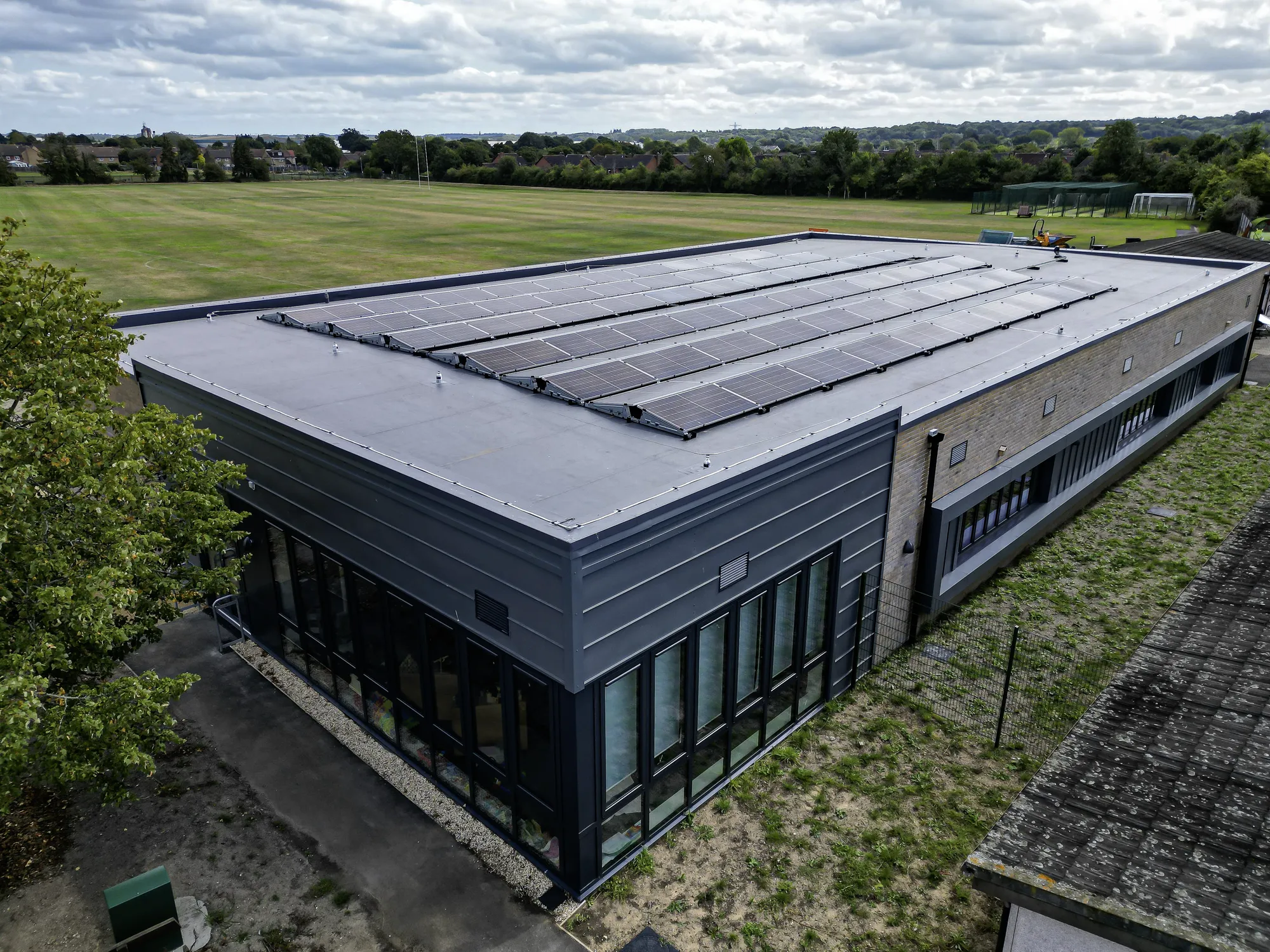
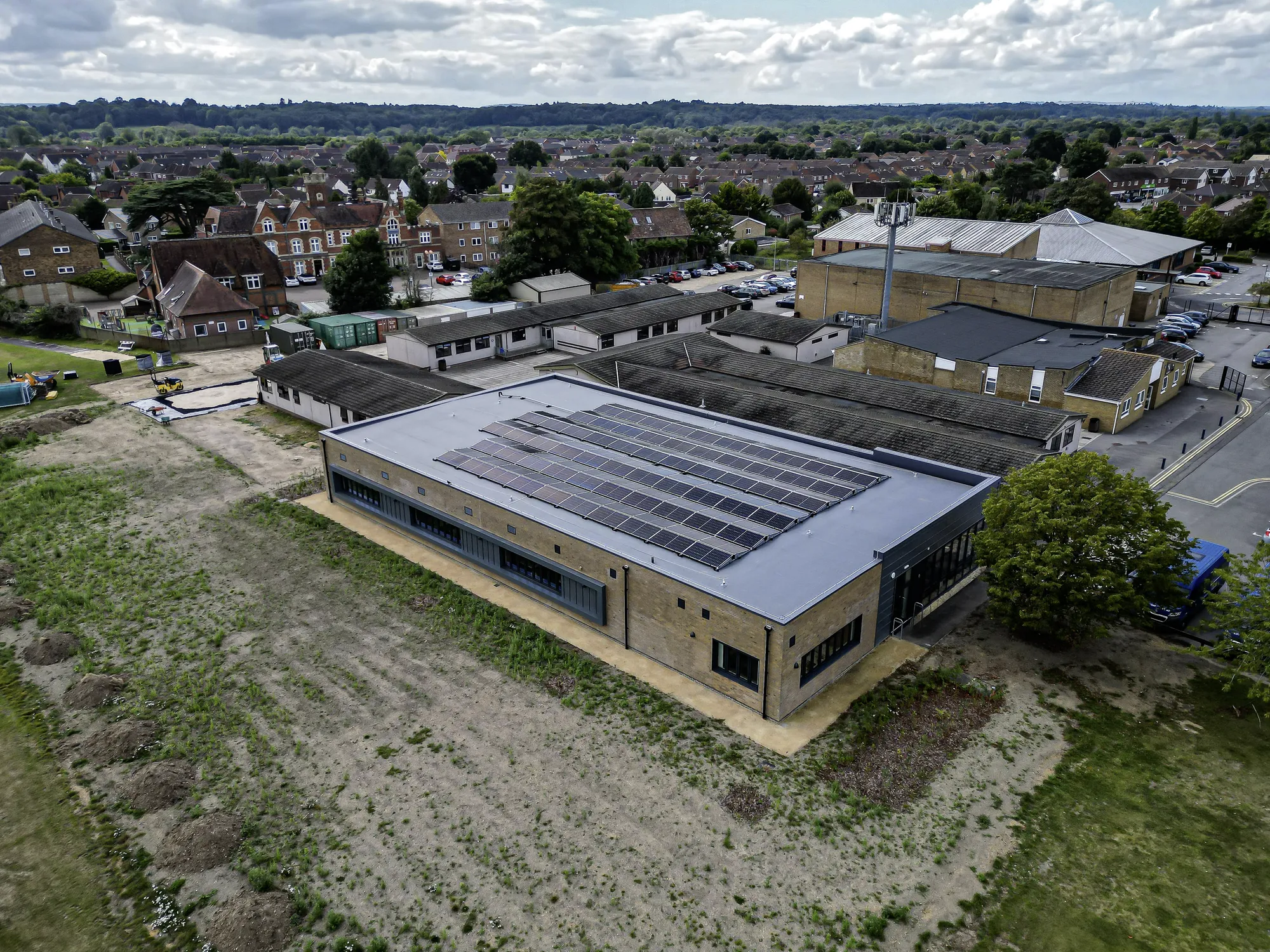
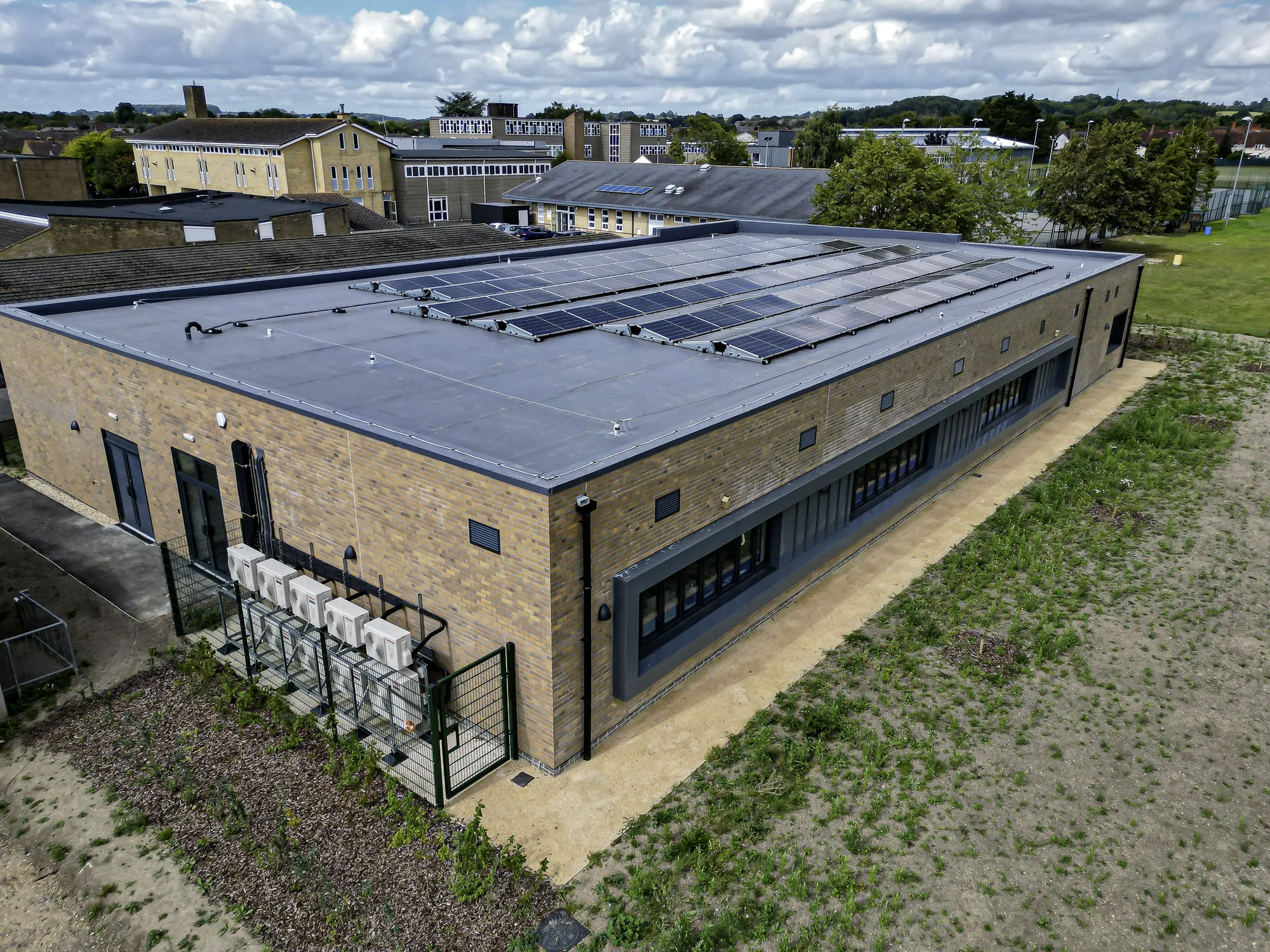
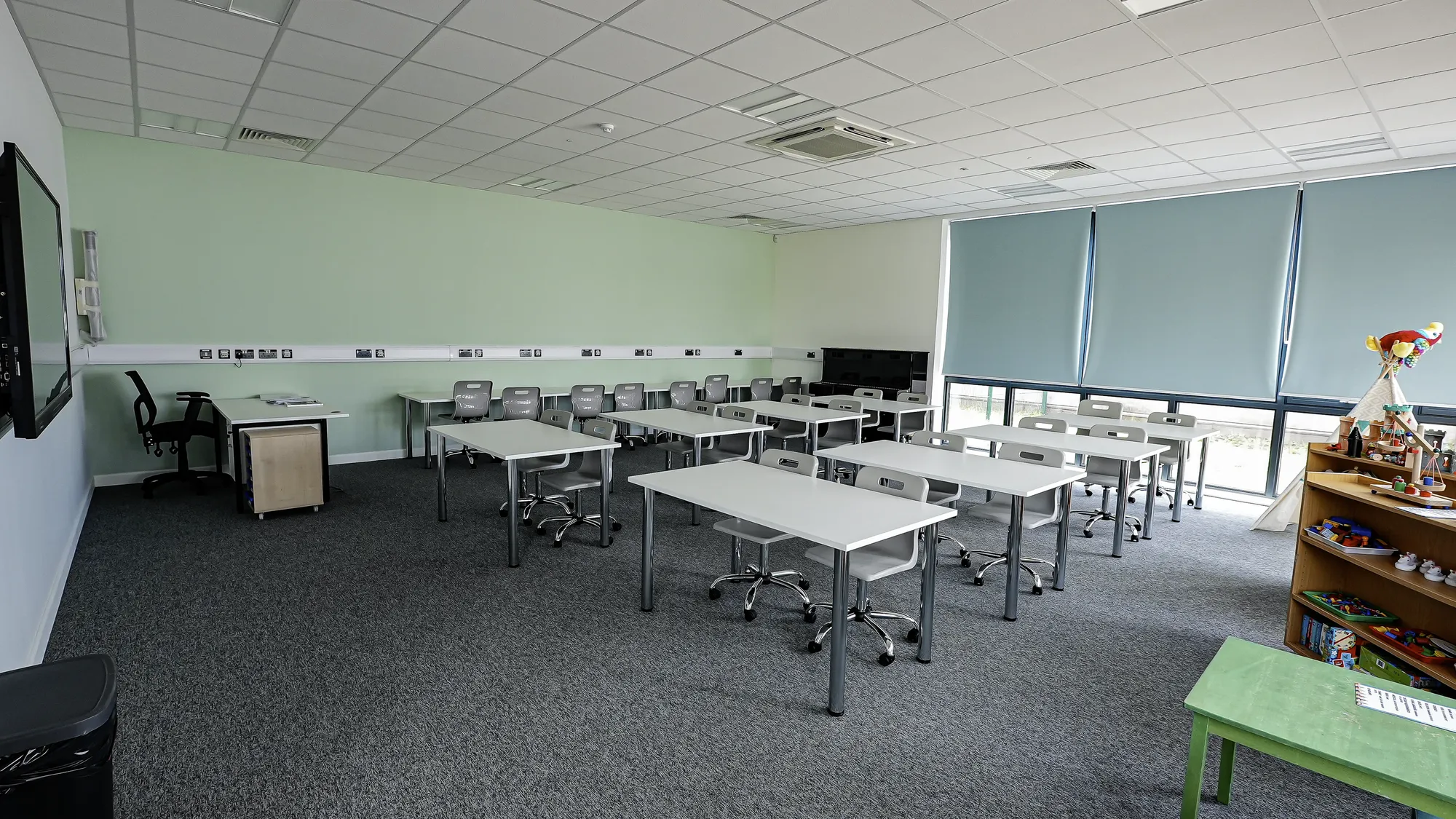
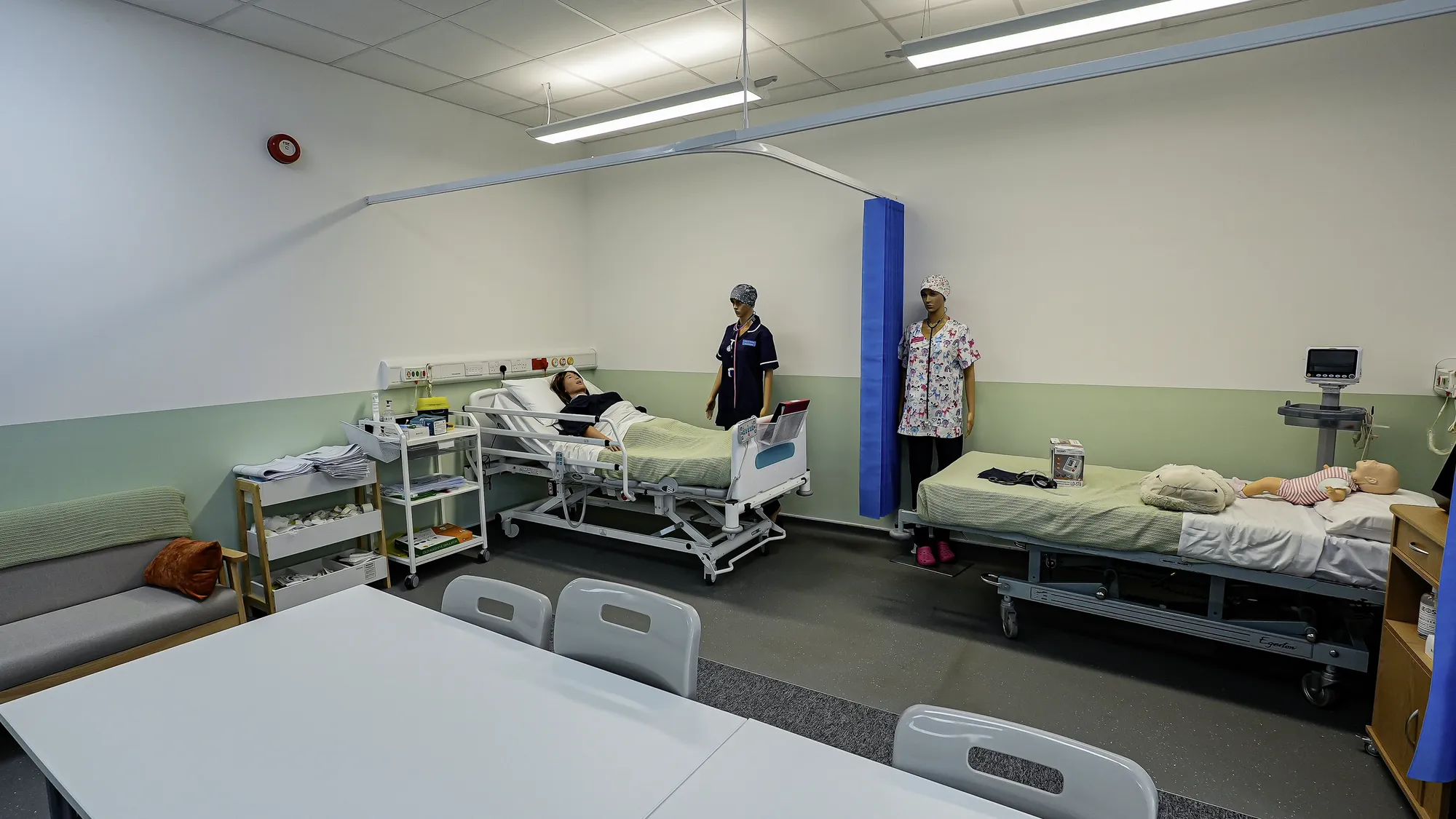
Kennet School (BREEAM)
Thatcham
Single‑storey replacement block providing six classrooms, designed to achieve a BREEAM ‘Excellent’ rating. AEC led early design coordination with the assessor, progressed to Building Regulations drawings and oversaw construction.
View projectThe relevant district's policy context, constraint mapping including Green Belt and conservation, capacity testing through sketch layouts, a viability view and a recommended route. Depth is chosen to fit the decision, from a rapid view to a full appraisal with pre-application advice, and both scope and fee are fixed in writing before the study starts.
Because the county's policy varies sharply by district and context. A new-town regeneration area may support intensification, a historic town constrains it, and the Green Belt may rule most development out. The same proposal can succeed in one and fail in another, so the study reads the specific district and context first, which is often where its most decisive findings come from.
Before exchange, and before design fees mount. In a county where context can decide a site's prospects, a study is cheapest exactly when it matters most, while the decision to buy or walk away is still open. Pre-application advice, where sought, typically takes four to eight weeks and belongs in the timetable.
It depends on depth and the site's complexity, and the fee is fixed and agreed in writing before work begins. A rapid capacity view sits at the lighter end; a full appraisal with viability testing and pre-application advice costs more. Clients buy the level of certainty their decision needs, and no more.
Yes. A focused study can concentrate on what decides the purchase, the relevant district's policy context, the realistic capacity and the council's likely stance, and report in time to inform the deal. Existing material from agents or previous owners feeds the study and sharpens its conclusions on the specific site.
A written report covering the relevant district's policy context, the constraints, capacity, viability and a recommended route, with reasoning shown throughout. It is built to support the buy-or-walk decision and to be read by lenders, partners or a board. Where the project proceeds, the findings carry straight into design and planning.
From schools to homeowners, we work closely with every client to deliver thoughtful, lasting architecture here’s what they’ve said about working with us.
We’re always up for a new challenge. Whether it’s a home, a school, or something completely unique.