Design support during campus construction, with queries, changes and compliance managed around a live and working university estate.
.webp)
A campus build answers to two clocks: the construction programme and the academic calendar, and the second one does not negotiate. Our construction support service keeps university projects true to both, answering contractor queries against the approved information, reviewing samples and substitutions before they are installed, issuing drawing revisions under change control and logging every change against the consent and the technical design package. Campus conditions shape the work: phasing around occupied buildings, decant sequences honoured, noisy operations aligned with vacations and the estate kept safe and usable throughout. Institutional governance is served with records fit for audit, and handover assembles the documentation a university estate expects to keep. Involvement is scoped in writing, from periodic reviews to a standing role.
Off-site fabrication and on-site build proceed under the contract, with the design team answering queries, inspecting quality and tracking compliance as details are finalised.
Systems are commissioned and tested, snags are resolved, and as-built information is issued as the building moves into use and aftercare.
Look at the whole processThrough the estates team's normal channels, without ceremony. A note through the contact form or to info@aecarchitecture.co.uk covering the project, its consent, the contractor position and the term-date constraints starts it. AEC responds with a conversation about the drawings, the programme and where design input will matter most, then confirms a written scope: full support from contractor appointment to completion and handover, or a defined package such as condition discharge, substitution reviews or milestone inspections. The team then works beside the contractor, the institution's project manager and its standing consultants, following the university's reporting structures, with the design role mapped so governance stays clean and responsibility never blurs.
Support means turning up: walking the works, reviewing proposals before they are fixed and answering queries against real site conditions. On campuses, presence also means respecting the estate around the hoarding, with noise, access and safety implications of every decision weighed alongside the drawing itself.
Education work under public funding has fixed the practice's habits: documented decisions, controlled change and compliance evidenced without prompting. University projects, with their governance, audits and stakeholders, run on exactly those habits, and they arrive as standard rather than by special arrangement or extra cost.
Where AEC designed the scheme and drew the technical packages, the same reasoning follows it onto site; where it did not, a structured review builds the understanding first. Either way the institution deals with one team from query to completion, and the record stays whole.
Formally, because institutions answer to auditors and funders as well as to themselves. Every proposed change is defined, tested and recorded before it is built: against the Building Regulations package, so compliance is not eroded; against the planning consent, with formal routes used where a change steps outside it, supported by our planning and approvals work; and against the programme, because on a campus a late change can cost a term, not a week. Approved changes are issued as controlled revisions so the whole team builds from one current set, and the change record accumulates into the evidence trail governance expects. Building control inspections at key stages run in parallel, keeping statutory compliance on the same timetable.
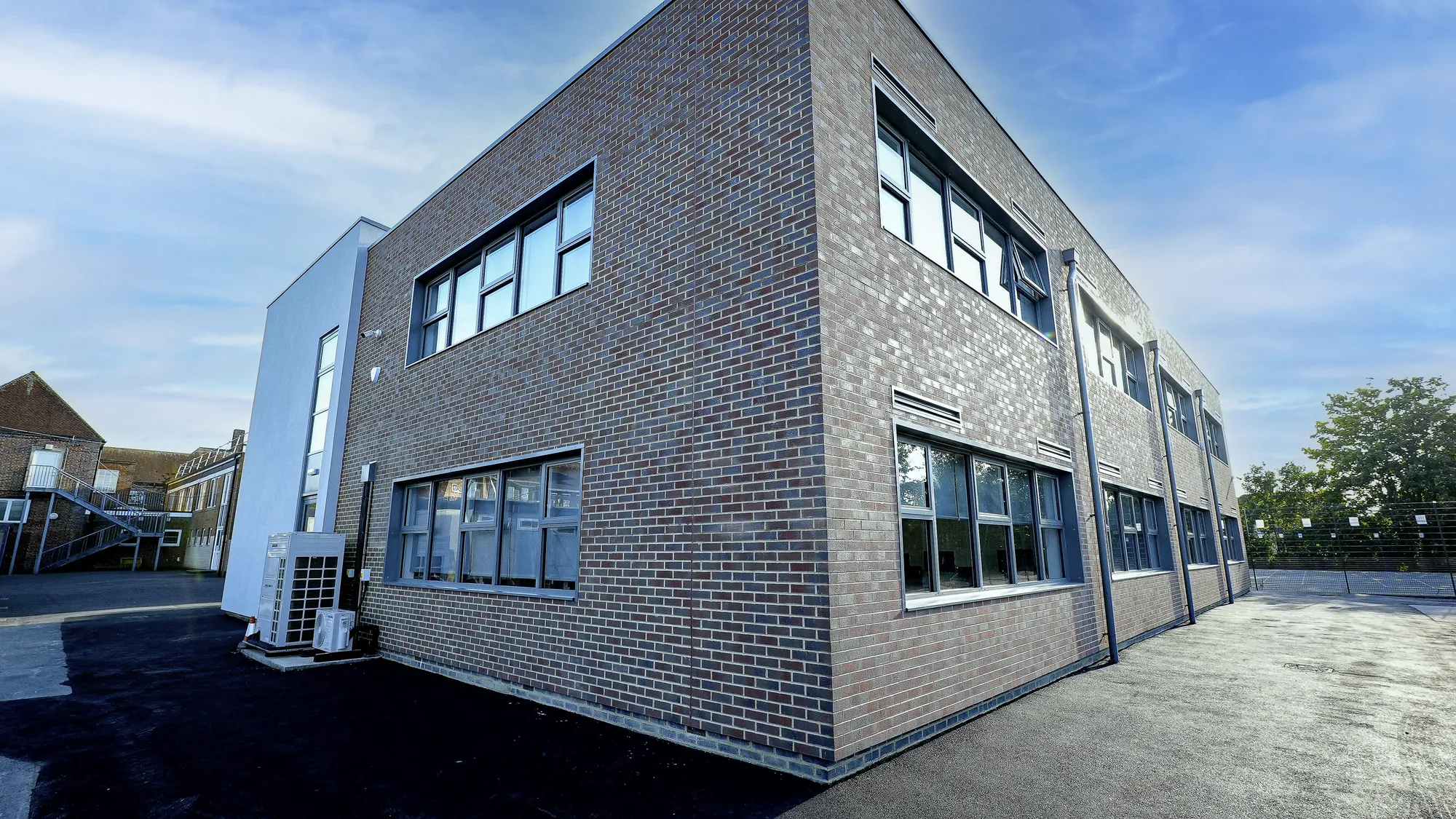
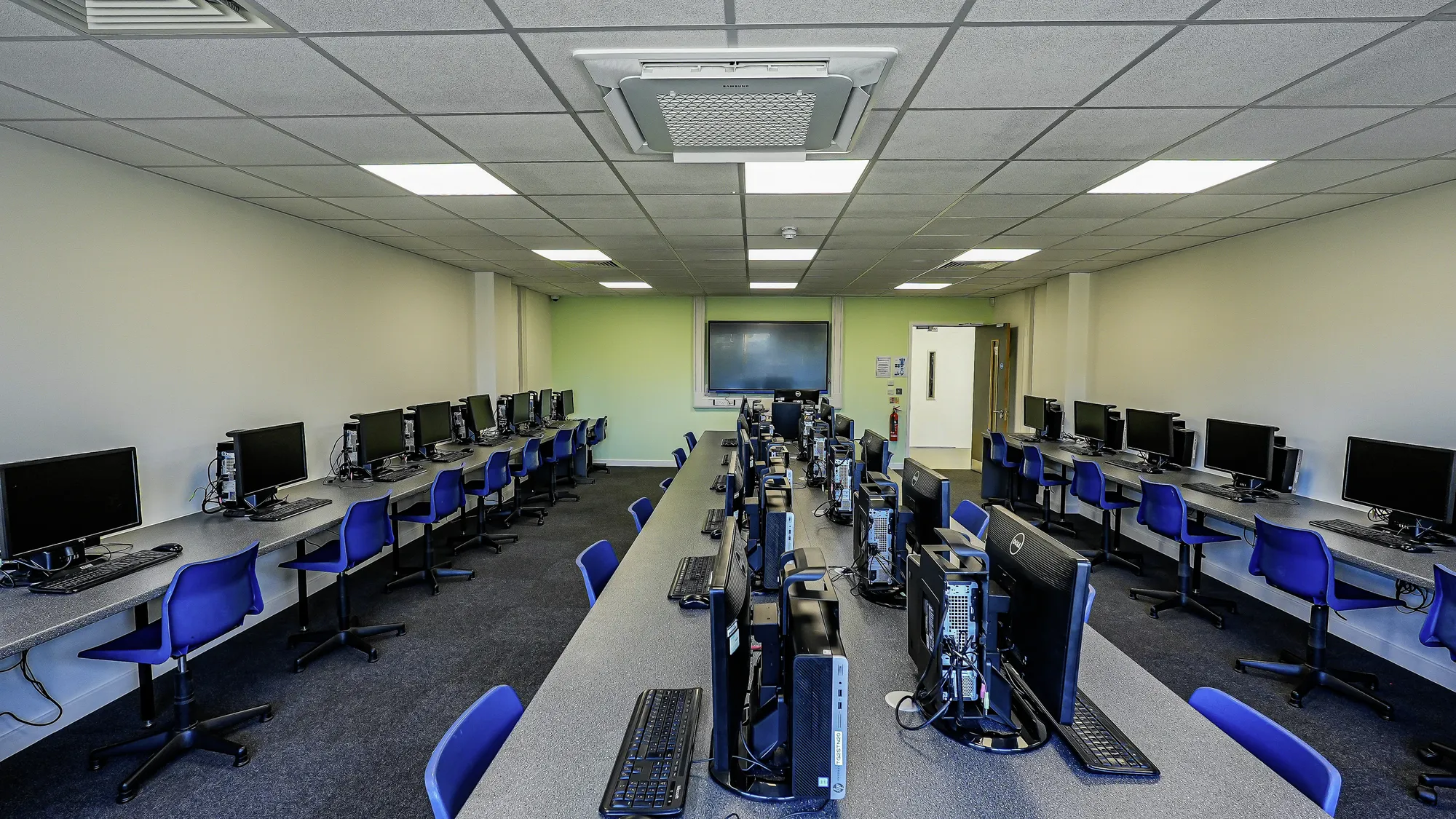
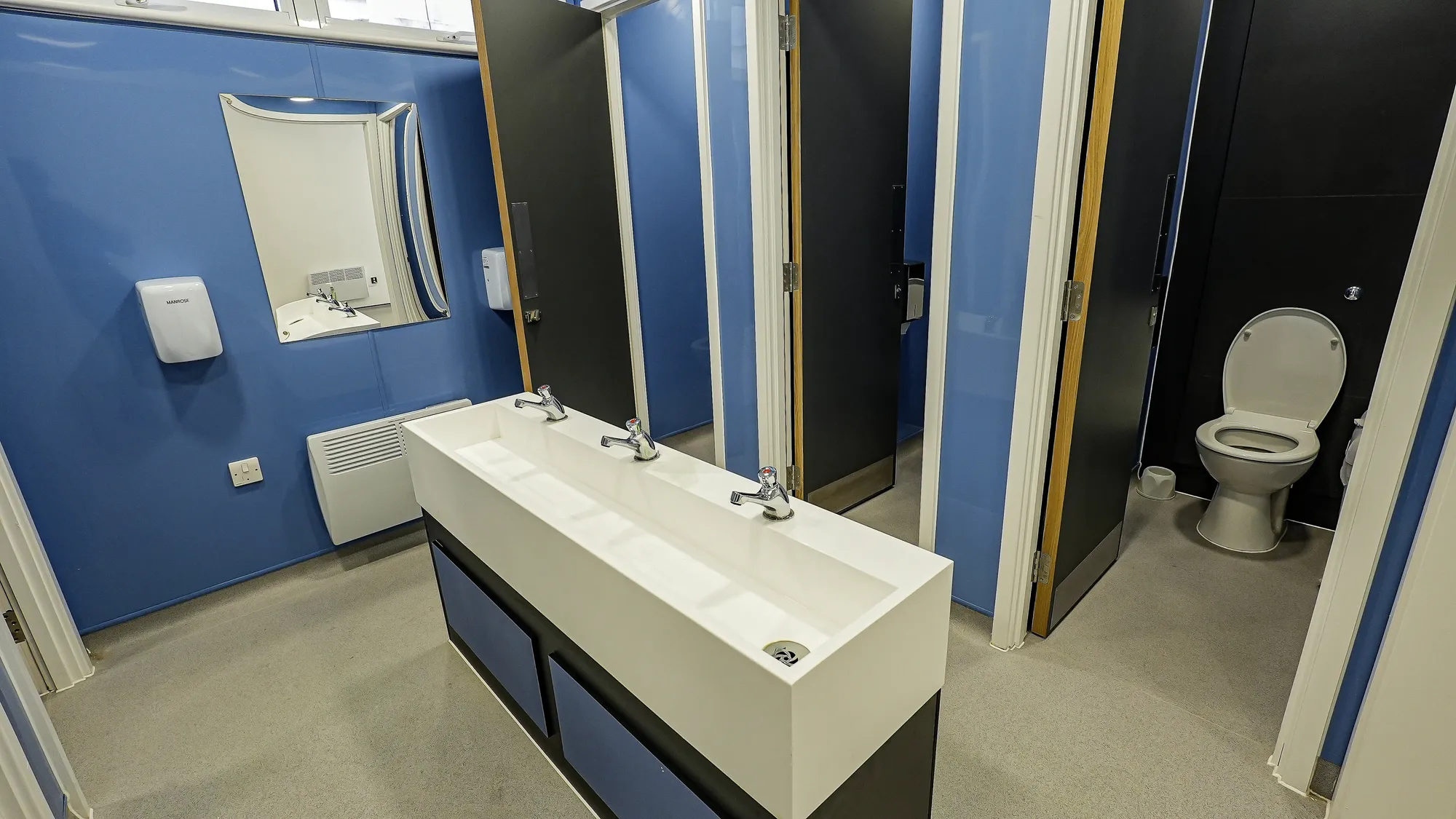
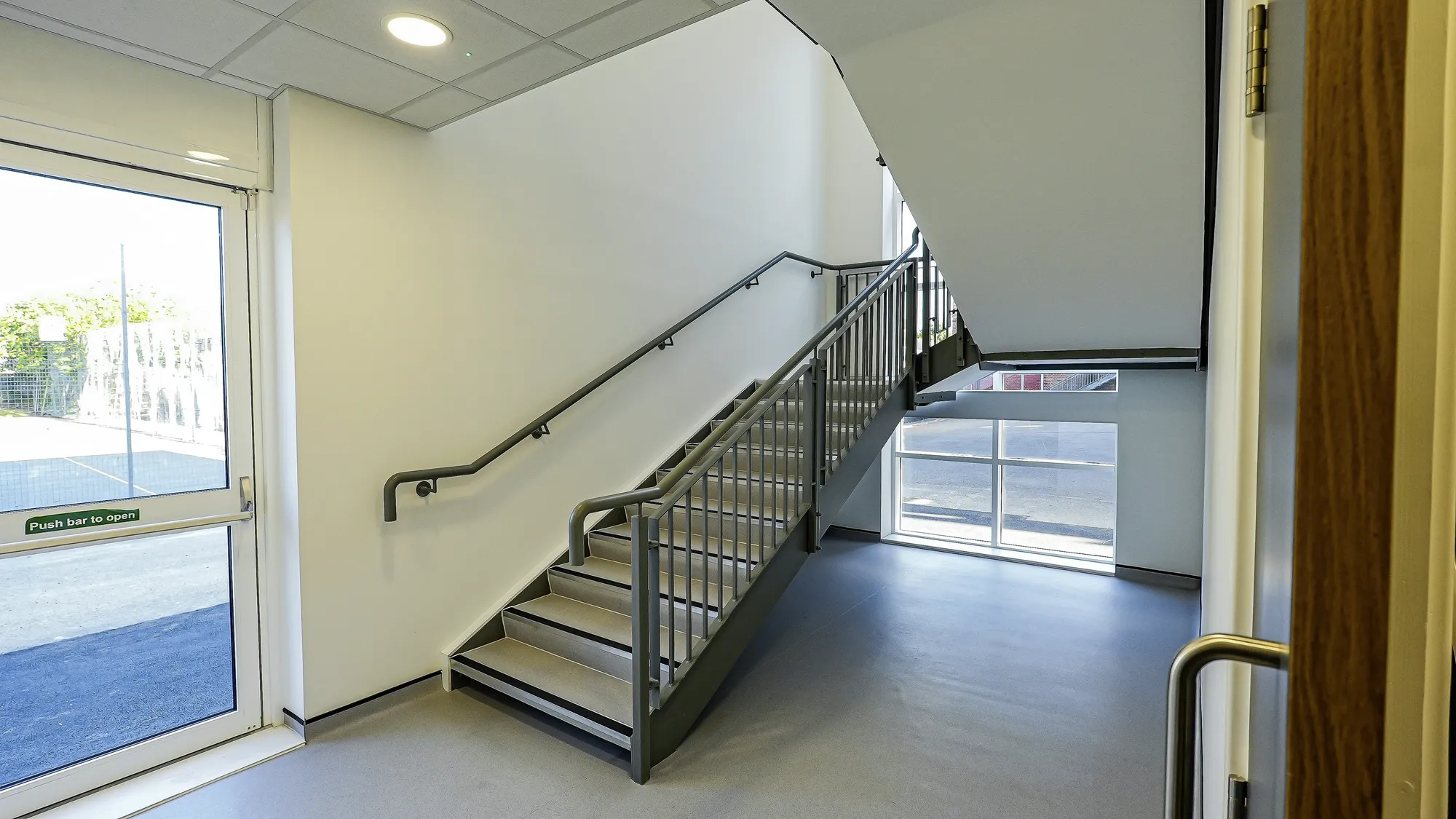
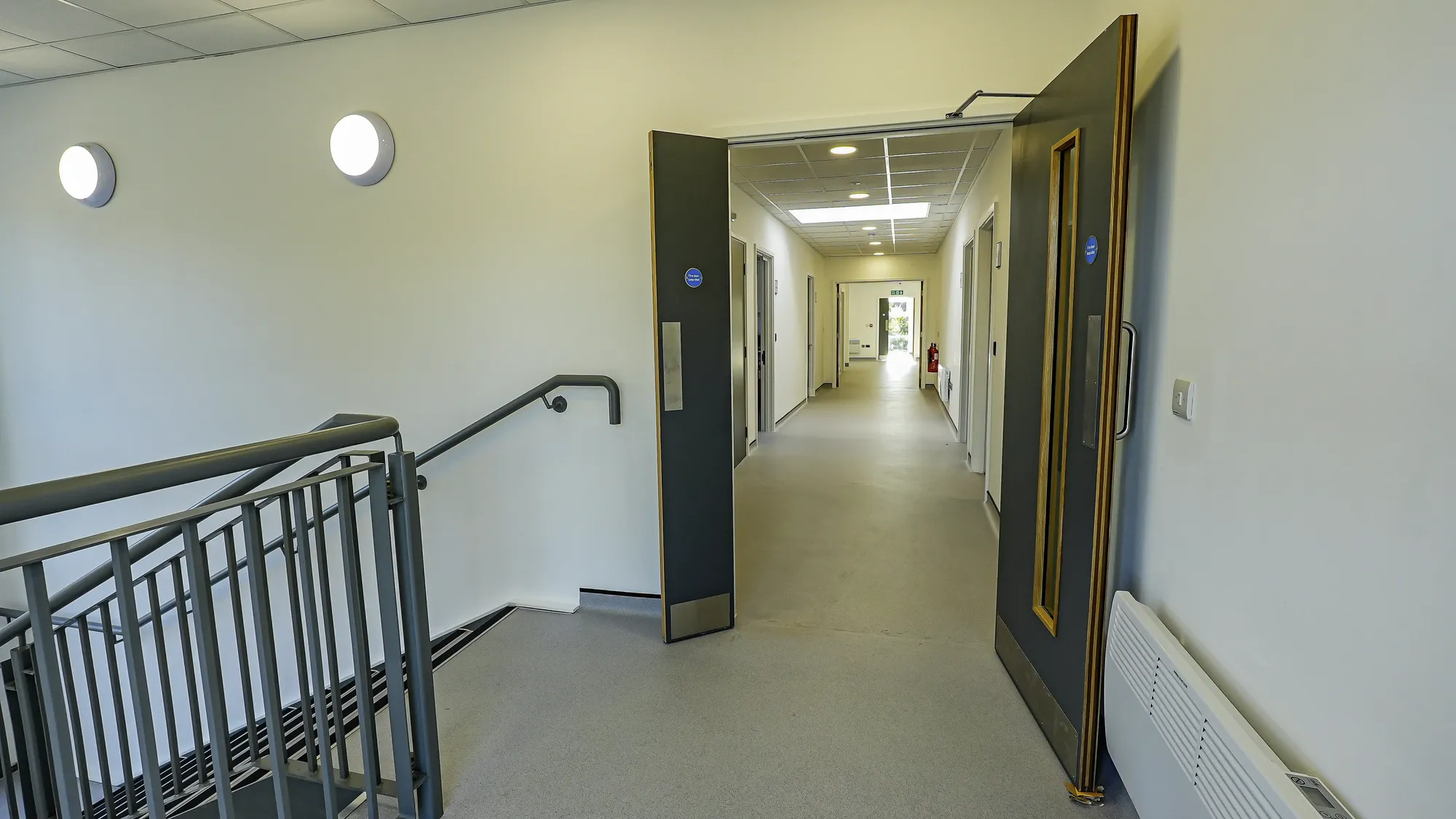
Rooks Heath
Harrow
Funding secured for a two-storey replacement block with eight classrooms, recording studio, IT rooms and amenities. Planning approved and conditions discharged; AEC delivered day-to-day project management throughout construction.
View projectContractor query responses, reviews of samples, substitutions and proposals, drawing revisions under change control, planning condition discharge, building control coordination and site presence at an agreed rhythm, with records kept to a standard that satisfies institutional audit. Scope runs from full support to defined packages and is fixed in writing before the appointment.
It has to be, and support is planned that way. Noisy or disruptive operations are aligned with vacations where the programme allows, phasing respects occupied buildings and decant sequences, and design queries are answered at the pace a fixed opening date demands. The academic calendar is treated as a constraint, not a complaint.
At contractor appointment, ideally, so the first queries and pre-commencement conditions are handled before they cost programme, and the term-date constraints are built into the change process from day one. A project already on site can be joined at any point, starting with a review of the approved information.
Against a written scope shaped to the institution's procurement: a regular fee across the construction programme for full appointments, or fixed fees for bounded packages such as condition discharge or milestone inspections. Programme length, consent complexity and site presence set the level, all documented and accepted before any work begins on the appointment.
Yes. Reporting structures, gateway processes, approval hierarchies and document standards are followed as found, and the written scope maps AEC's design role against the institution's project manager and standing consultants. The service is designed to strengthen existing governance rather than run beside it, so nothing happens off the record or between the gaps.
The project outline, the consent position, the contractor status and the dates that cannot move, through the contact form or to info@aecarchitecture.co.uk. AEC arranges a conversation, then issues a written scope and fee basis. Work starts on acceptance, opening with a review of the approved drawings and conditions.
From schools to homeowners, we work closely with every client to deliver thoughtful, lasting architecture here’s what they’ve said about working with us.
We’re always up for a new challenge. Whether it’s a home, a school, or something completely unique.