

Civic planning handled for volunteer clients: strategy, applications, community consultation and conditions for halls and shared buildings.
.webp)
A community centre usually arrives at planning with something rare on its side, genuine local support, and the task is to convert that into a consent rather than squander it on a weak application. Our planning and approvals service does exactly that. Strategy comes first: the right route for the project, the policies engaged, the parking, access and neighbour questions that decide civic applications and the value of pre-application advice, which typically returns within four to eight weeks. Submissions are assembled as complete cases, with the community benefit evidenced rather than merely asserted, so validation is clean and determination starts promptly. Applications are then managed to decision against statutory targets of eight weeks for minor schemes and thirteen for major ones, with the local support marshalled as material planning support where it counts. After consent, conditions and amendments are handled so the permission is buildable, feeding the construction support that follows. Where a group arrives with a design already drawn, it is reviewed against policy before submission.
Design moves from ideas to a coordinated layout. Architecture, structure and building services are aligned so rooms, risers, fire strategy and servicing all work together. The result is a frozen arrangement with updated cost and risks understood. Planning applications are typically prepared and submitted at the end of this stage.
Look at the whole processThrough whoever holds the project: a parish or town council, a charity, a trust or a management committee. The practical start is a note through the contact form or to info@aecarchitecture.co.uk with the site, the proposal and any planning history, and AEC responds with an initial view on route and prospects. A written scope follows, priced proportionately: strategy, preparation, submission, consultation support and management to decision, with conditions work included where wanted. Where the design exists, it is reviewed against local policy before submission; where it is still forming, planning judgement shapes it from concept. Throughout, decisions and reasoning are recorded plainly enough for a committee to report to its members and its funders without needing a planner to translate.
Funded public work anchors the practice, so community applications are prepared by people who know how authorities read civic proposals: parking and access questioned, neighbour impact weighed, community benefit given its due. The submission answers those questions before they are asked, which keeps a volunteer-led project on track.
The Academy Estate Consultants group puts planning specialists beside the design team, so a community project's strategy is set before drawings harden: the right route, the evidence needed and the authority's likely stance established early, where they change the outcome rather than explain a refusal later.
Because the practice supports construction too, planning work looks past the decision notice: conditions are negotiated for dischargeability and cleared in step with a grant-funded programme, so a consent behaves the way a committee's funding timetable assumed rather than springing costs at the worst moment.
By presenting it as the material consideration it can be, not as background noise. Genuine local backing for a community building carries planning weight when it is gathered, evidenced and put before the authority properly: letters of support marshalled, the community need demonstrated with real information, and the benefit set against any policy tension in terms an officer can cite in a recommendation. Consultation is run openly so neighbours with concerns are heard early and answered in the submission rather than left to object at committee. Where a scheme sits in tension with a policy, the community benefit is argued as the counterweight the framework allows. The design case and the community case are built together with the architectural design, so the building the community wants and the building the policy supports are shown to be the same one.
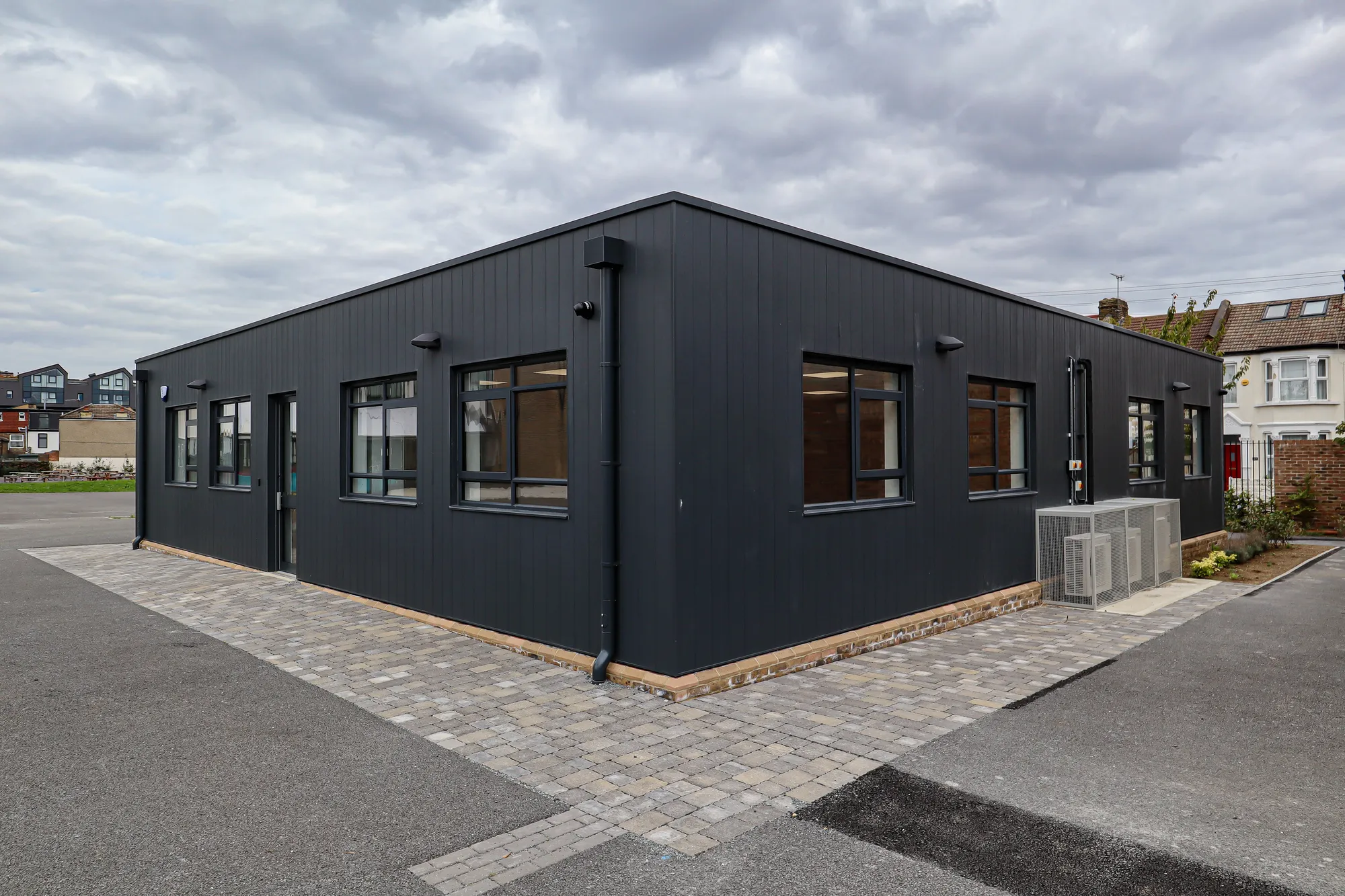
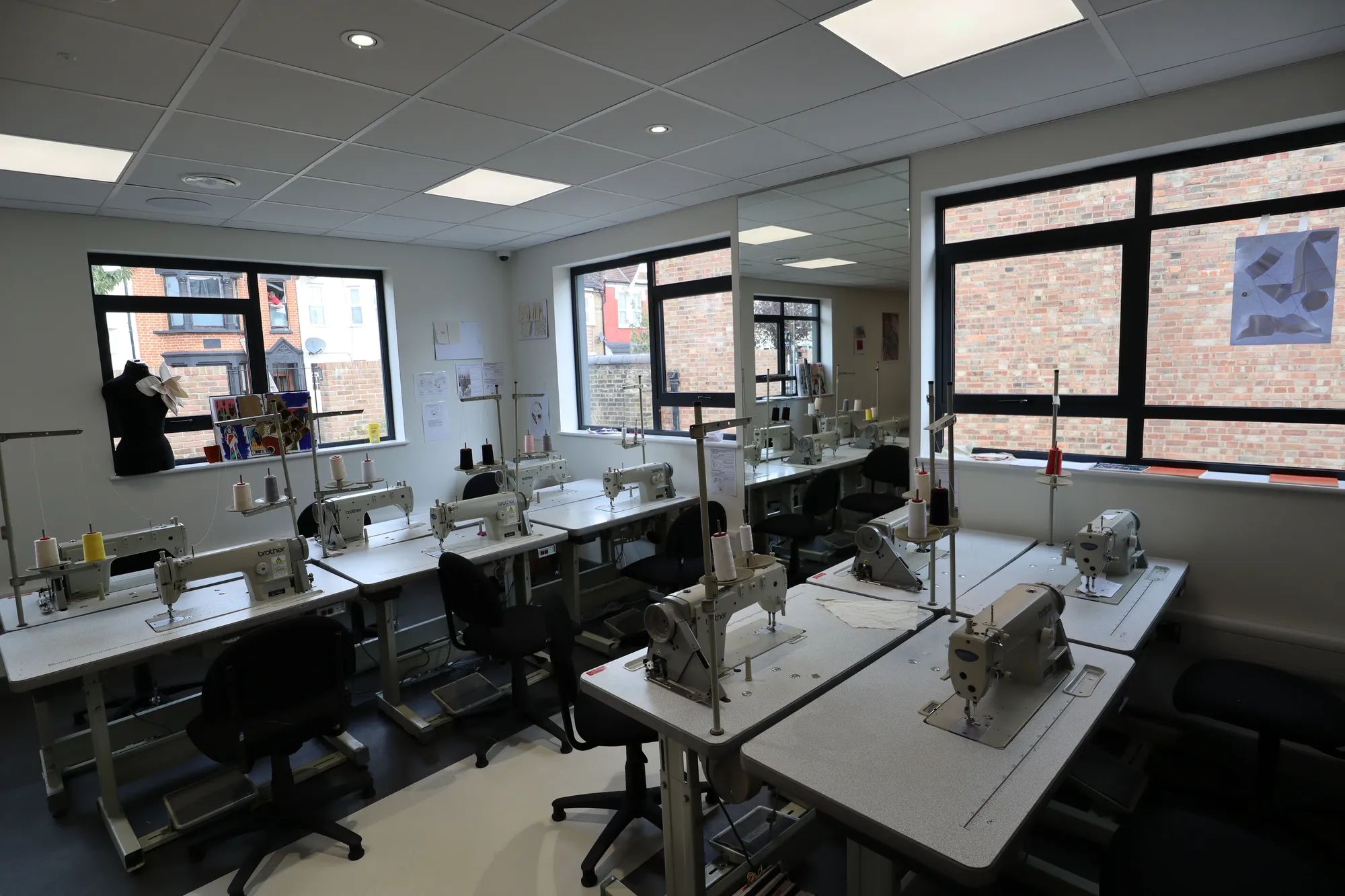
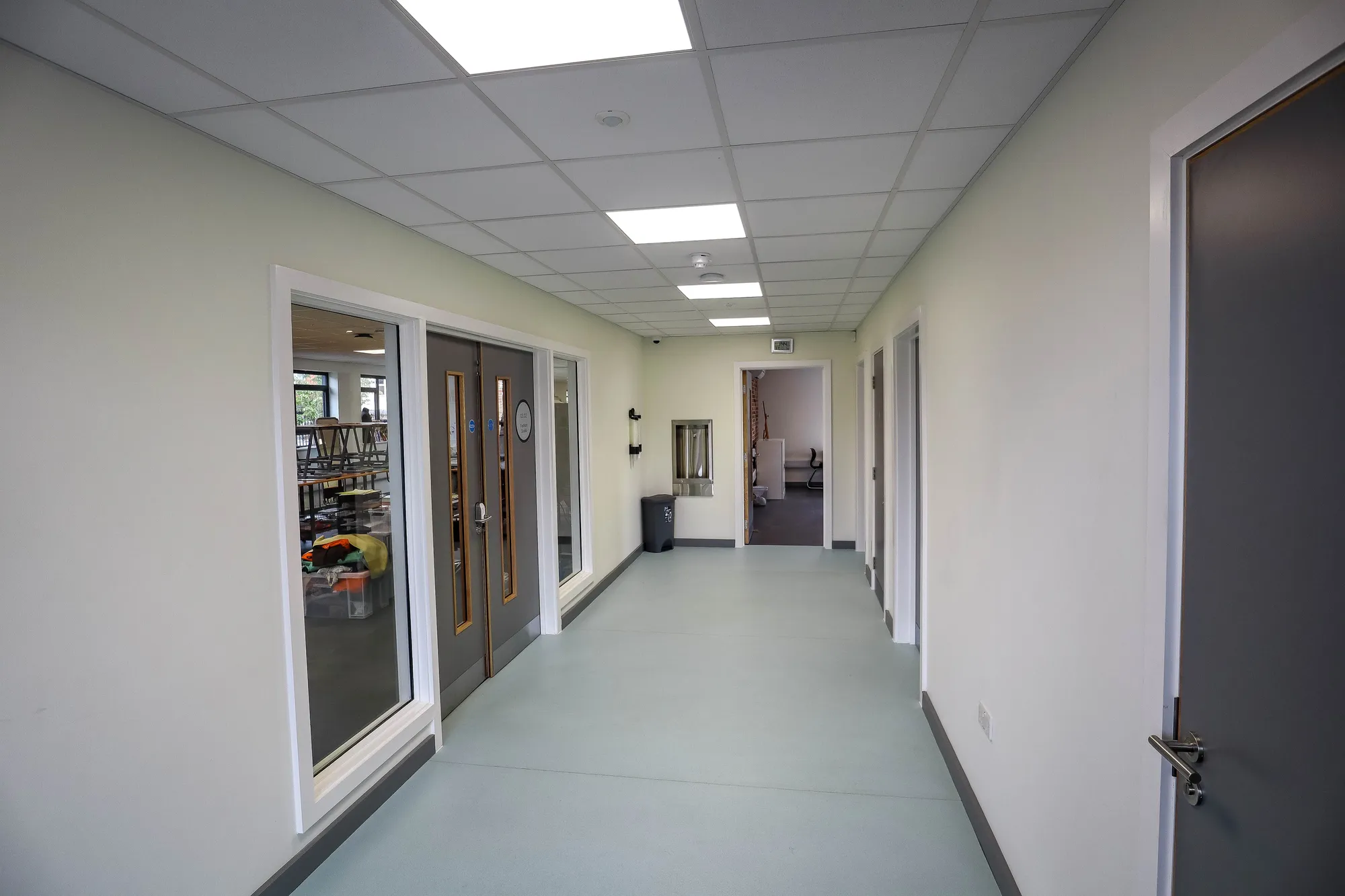
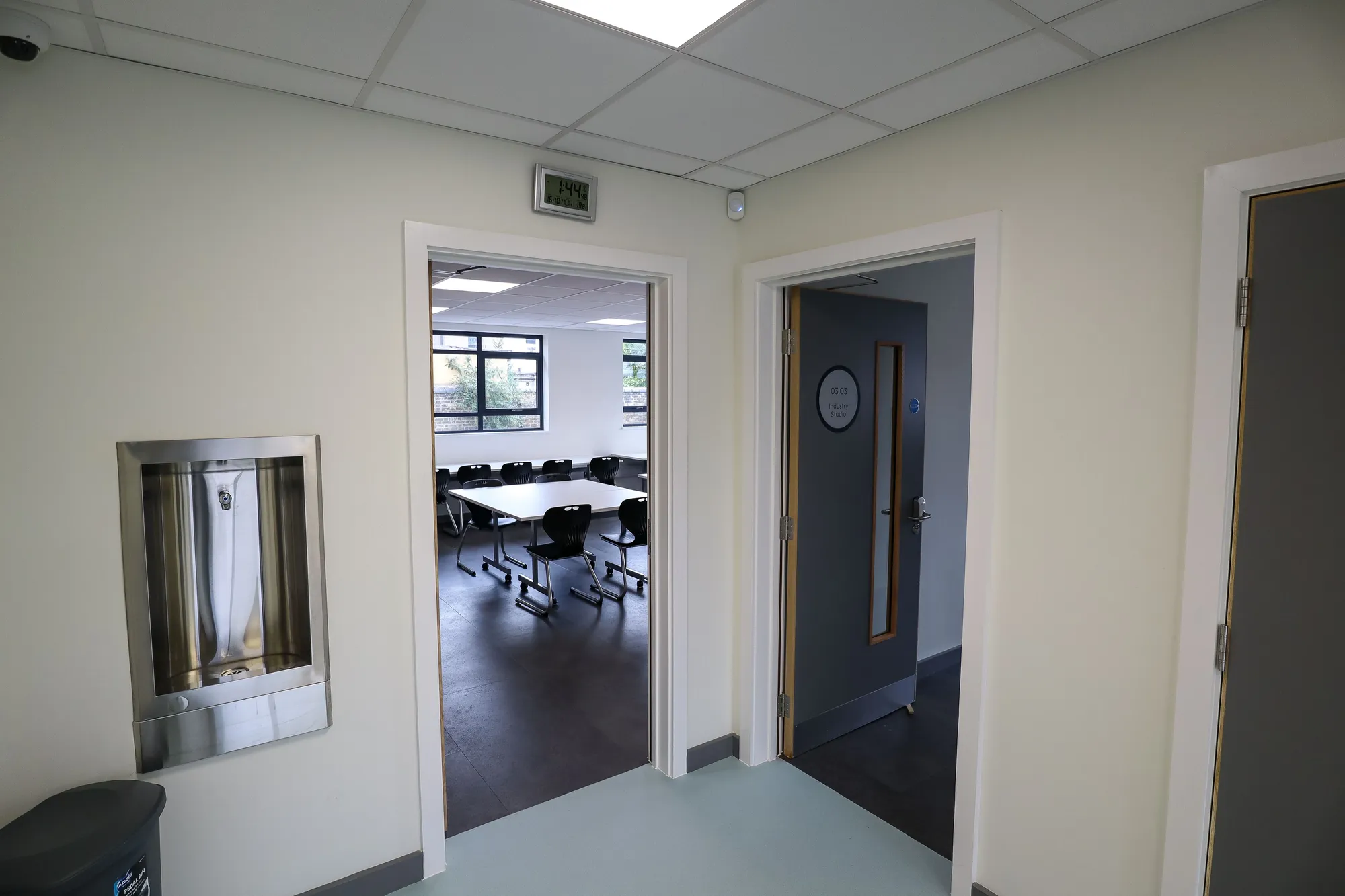
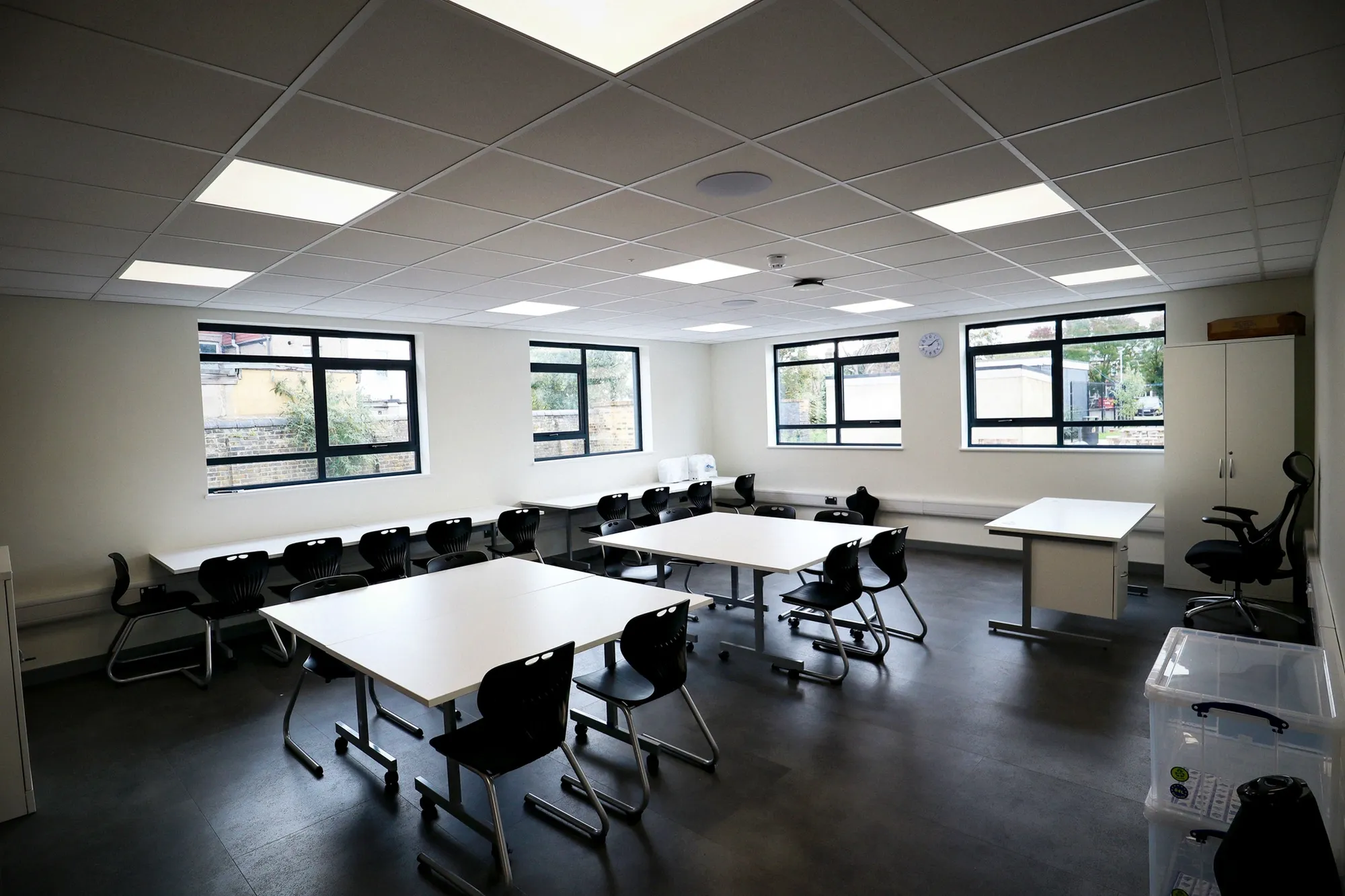
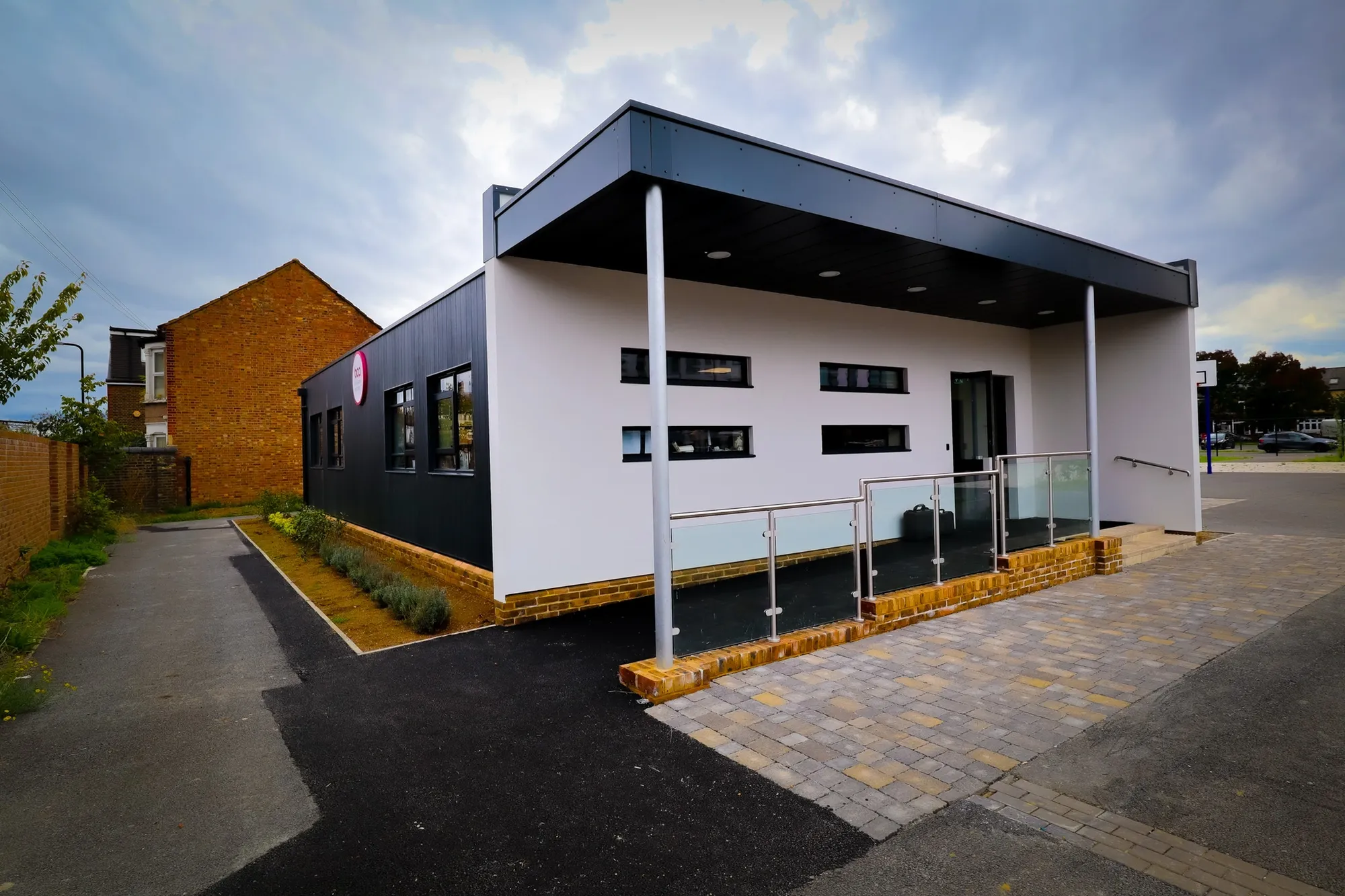
Big Creative Academy
London
Planning secured for a modern teaching block with three fashion studios, a central hub and facilities. AEC led from sketch through planning and technical drawings, then managed construction on site.
View projectStrategy, preparation, submission and management of applications through to decision, then conditions, amendments and appeals where needed. For community buildings that includes evidencing community benefit, running consultation and marshalling local support as material planning support. Each project's scope is defined and agreed in writing before work begins on the application.
It can carry real weight when handled properly. Genuine community backing, gathered and evidenced, is a material consideration an authority can weigh, and for a community building it often is the case for consent. Presented as letters, demonstrated need and clear benefit, it becomes something an officer can cite rather than background goodwill.
Statutory targets give authorities eight weeks for minor applications and thirteen for major ones, with pre-application advice typically taking four to eight weeks beforehand. Grant-funded community projects should build these clocks in early, with contingency, because a funding window rarely waits for a planning determination to catch up with it.
AEC's fee is fixed against the agreed scope and priced proportionately for the modest budgets community projects run on, with additional work such as appeals scoped separately if needed. The council's own application fee is separate and set nationally, though some authorities reduce or waive it for certain community uses.
Yes, and for a community building it usually pays to. Materials are prepared in plain language, sessions supported, and concerns recorded and answered in the submission. Neighbours engaged early tend to support a community project rather than oppose it, and that support, properly evidenced, strengthens the application at determination.
A short note covering the site, the proposal and any planning history so far, through the contact form or to info@aecarchitecture.co.uk. AEC responds with an initial view on route and prospects, then a written scope and fee proposal that a committee can consider and report to its members. Work begins once the group accepts it.
From schools to homeowners, we work closely with every client to deliver thoughtful, lasting architecture here’s what they’ve said about working with us.
We’re always up for a new challenge. Whether it’s a home, a school, or something completely unique.




We maintain involvement from earlier stages or provide targeted support during construction, ensuring design intent is carried through on site.
We support contractor coordination, respond to site queries and provide ongoing technical input to keep projects on programme and aligned with design objectives.
Our services can be adapted to suit project requirements, whether providing full support or working alongside existing teams.
It covers the practical input a project needs once work starts on site, including responding to contractor queries, reviewing information, coordinating across the team and providing ongoing design advice so the approved design is delivered as intended.
Yes. We can provide targeted support at construction stage even if we were not involved earlier, working alongside your existing contractor and consultants within the structures already in place.
Involvement is scaled to the project, from answering occasional technical queries through to regular site support. We agree the level of service and fee basis with you at the outset so costs stay predictable.
From schools to homeowners, we work closely with every client to deliver thoughtful, lasting architecture here’s what they’ve said about working with us.
We’re always up for a new challenge. Whether it’s a home, a school, or something completely unique.