Early studies for custodial and secure sites: what an estate can take, what security demands and how each option performs before commitment.
.webp)
Questions on a secure estate carry unusual weight: more accommodation is needed but the perimeter is fixed, a building is failing but the regime cannot pause, a new function must fit inside an operation that never stops. Our pre-planning and feasibility service turns those questions into evidence. Studies map the constraints, physical, operational and planning, test options through sketch capacity work inside the security requirements the commissioning body sets, and lay out the disruption each route would impose on a running regime. Where the planning position needs testing, pre-application advice is sought, typically returning within four to eight weeks, handled with the discretion a secure site demands. Reports are written for formal governance, with reasoning shown, risks named and assumptions stated, so the decision that follows rests on ground that has been checked. Depth and fee are scoped in writing before the study begins.
This is the "should we build?" moment. The team clarifies goals, budget, risks and constraints, explores options (including non-build solutions), and forms the business case. The outcome is a confirmed set of client requirements and a go/no-go decision.
All the groundwork happens here: site information, surveys, statutory context and stakeholder needs are gathered, and the Project Brief and outline programme are agreed. Procurement and planning strategies are sketched so everyone knows the road ahead.
Look at the whole processThrough a controlled first conversation. An initial note through the contact form or to info@aecarchitecture.co.uk describing the requirement in general terms is enough to begin, with sensitive detail exchanged appropriately once the engagement is established. AEC then discusses the operational constraints, the security context and the decision the study must support, and fixes the scope in writing: option testing, a constraints and planning appraisal, or a full study with pre-application advice and outline costings. Work proceeds through survey, sketch testing and review with operational stakeholders, so findings are checked against how the establishment really runs before they harden into recommendations that formal governance will examine.
Funded public projects anchor the practice, so secure-estate studies arrive with the habits these clients expect: documented reasoning, evidenced conclusions and confidentiality handled properly. A study that will be audited is written knowing it will be audited, which is how custodial commissioning bodies need their evidence prepared.
An option that cannot be consented is not an option, and the Academy Estate Consultants group keeps planning and development specialists beside the study. Each route is tested against local policy and the authority's likely position early, so the shortlist that reaches a decision point contains only achievable choices.
Because the practice carries projects from feasibility through design, planning and construction, its studies read as first chapters rather than final reports. Findings move straight into concept design and planning strategy, and sensitive material gathered during the study stays within one accountable team for the whole journey.
The layers that decide custodial projects. Security first: how each option affects the perimeter, supervision, movement control and the separation the regime depends on, tested against the commissioning body's requirements rather than assumptions. Operation next: how construction could proceed inside a live establishment, what decanting or rephasing each route needs and what the regime can absorb. Planning last but not least: local policy, the authority's likely stance and the consents each option would require, carried forward by our planning and approvals work where a scheme proceeds. Sketch layouts prove capacity rather than assert it, costs are framed for business-case use and every recommendation names its assumptions, because a secure estate decision examined later must show its working.
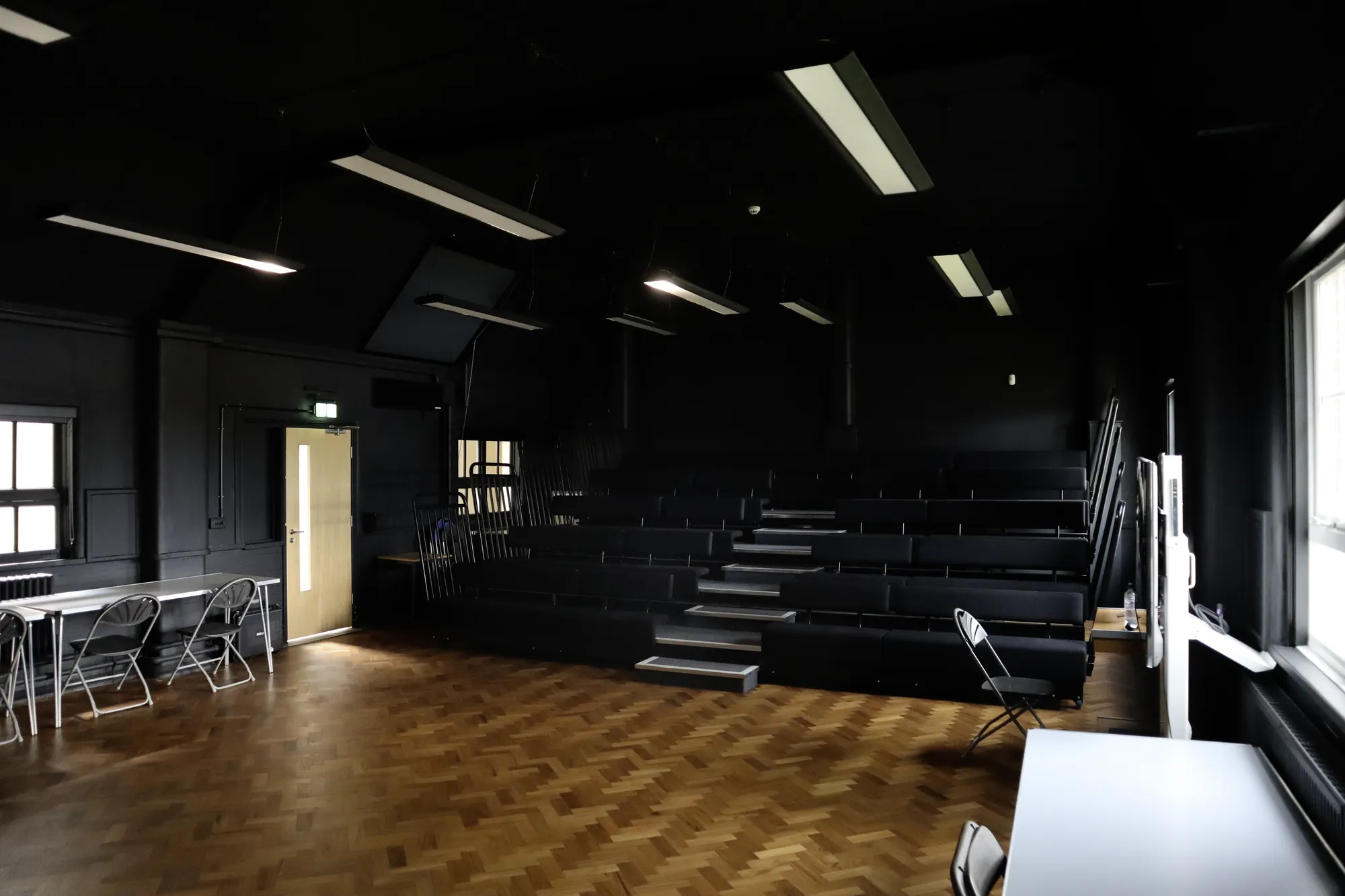
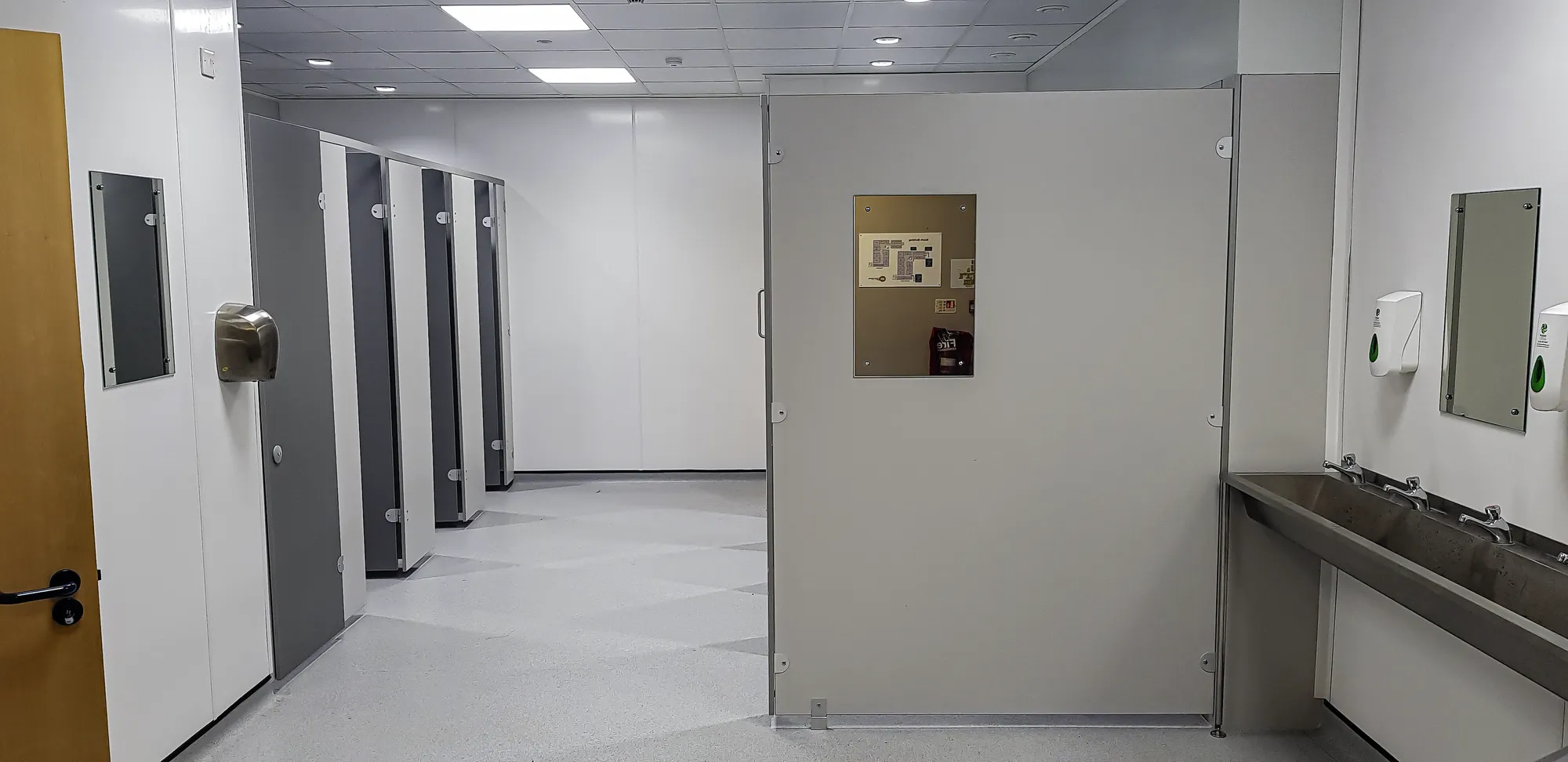
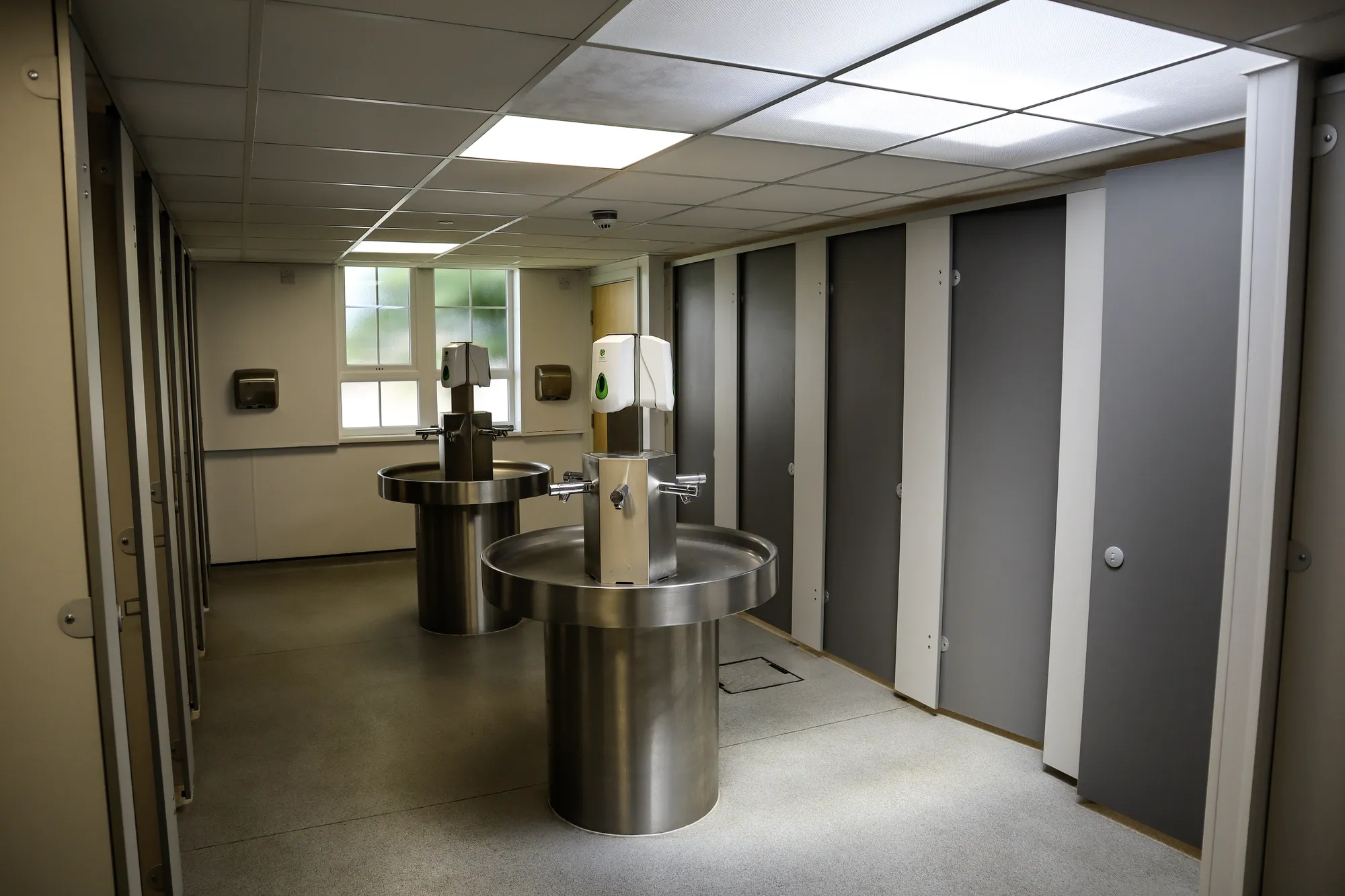


East Norfolk College (Various Areas)
Norfolk
Three-year campus programme: courtyard infills creating teaching space, auditorium upgrades, a two-storey CDT block, and a nursery and animal centre. Planning secured in phases, with project management alongside the Principal Contractor.
View projectConstraint mapping across security, operational and planning layers, option testing with sketch layouts inside the commissioning body's requirements, a view on disruption to the running regime and outline cost framing for the business case. Depth is scoped to the decision, and both scope and fee are agreed in writing before the study starts.
With controlled access and appropriate care from the first exchange. Detail is shared as the engagement requires rather than by default, material is held securely and the study stays within one accountable team. Where the project continues into design and planning, that continuity limits how widely sensitive operational information ever travels.
Before options harden and before capital is requested. The study earns most when several routes remain open and governance can still choose between them. Starting early also lets pre-application advice, which typically takes four to eight weeks, land ahead of decision points rather than behind them, keeping the programme honest from the outset.
Fixed against a written scope reflecting the estate's complexity, the security requirements around the work and the depth the business case needs, following the commissioning body's procurement rules. The fee is accepted before work begins, and any extension of scope is agreed in writing as it arises rather than assumed along the way.
Yes, and it is planned that way. Surveys and visits are arranged around the establishment's routines and security procedures, escorted access is respected as the operational reality it is, and the study's presence on site is kept as light as its evidence needs allow. The regime's continuity is treated as a constraint, not an obstacle.
The findings are presented to the commissioning team and structured for reuse in formal governance and business cases. If the project proceeds, the same team can carry the chosen option into concept design and planning, keeping sensitive material, reasoning and momentum inside one accountable appointment through the move into delivery.
From schools to homeowners, we work closely with every client to deliver thoughtful, lasting architecture here’s what they’ve said about working with us.
We’re always up for a new challenge. Whether it’s a home, a school, or something completely unique.