Early clarity on Loughton sites, where Green Belt and the forest setting decide much: what a site can carry and what it is worth.
.webp)
A Loughton site's prospects usually rest on one question before any other: what Green Belt policy and the forest setting will allow. Our pre-planning and feasibility service answers it first: the Green Belt position read against the policy tests, then the setting and other constraints, access, trees, heritage, flood risk, mapped; capacity tested with sketch layouts where development is achievable; and viability checked so the numbers hold. Where the district's position needs testing, pre-application advice is sought, typically returning within four to eight weeks, drawing on the architectural design thinking that shapes what is worth proposing in so protected a setting. Studies serve purchases, promotion and early design steers alike, at depths from a rapid view to a full appraisal. Where a site is closed by policy or setting, that answer is given early and plainly, before real money follows a false hope, which in a district this protective is a common and valuable conclusion.
This is the "should we build?" moment. The team clarifies goals, budget, risks and constraints, explores options (including non-build solutions), and forms the business case. The outcome is a confirmed set of client requirements and a go/no-go decision.
All the groundwork happens here: site information, surveys, statutory context and stakeholder needs are gathered, and the Project Brief and outline programme are agreed. Procurement and planning strategies are sketched so everyone knows the road ahead.
Look at the whole processWith a site address, a question and, usually, an early walk of the plot. Clients make contact through the form or at info@aecarchitecture.co.uk, and because a nursery-grade drop-off or a tree survey often decides a Loughton site, an early visit to read the trees, levels and forest relationship is arranged quickly. A short conversation sets the depth, from a rapid Green Belt and capacity view to a full appraisal with viability and pre-application advice, and the fee is fixed in writing first. Findings are reported plainly, with the reasoning and the setting impact both shown. Where the answer is proceed, the same team carries the project onward; where it is stop, an owner has been spared a costly mistake on a protected site.
The town's value and its difficulty both come from the forest on its doorstep, and appraisals read that setting as carefully as the policy. Through the Academy Estate Consultants group, the judgement on views, tree cover and the impact near Epping Forest sits beside the capacity work, so a site is weighed for what it can carry without harming the setting that makes it desirable.
From Billericay the practice reaches Loughton quickly, so sites are walked rather than judged from a desk. Knowing the town, its forest edge and how the district decides turns a study from a policy summary into a grounded appraisal of what the specific site can bear.
Because the practice carries projects from feasibility through design, planning and construction, its studies are written to be built on. Findings feed the concept design and the planning case that follow, so an owner does not pay twice and the same team can carry a workable site forward.
They usually set the ceiling on everything else. Much of Epping Forest District is Green Belt, where development is limited to defined categories and openness is strongly protected, so the study reads that position first: what the policy permits on the specific site and which limited exceptions might apply. The Epping Forest setting adds sensitivity, on views, character and the impact of development near the forest, which the study weighs without wishful thinking. Where a site is truly constrained, no design ambition changes the answer, and saying so early saves an expensive lesson. Where development is achievable, on previously developed land or within a settlement boundary, the study tests capacity and viability and hands into the planning and approvals stage. Either way a buyer learns what the site truly is before the money commits, which in this district is the whole point of the exercise.
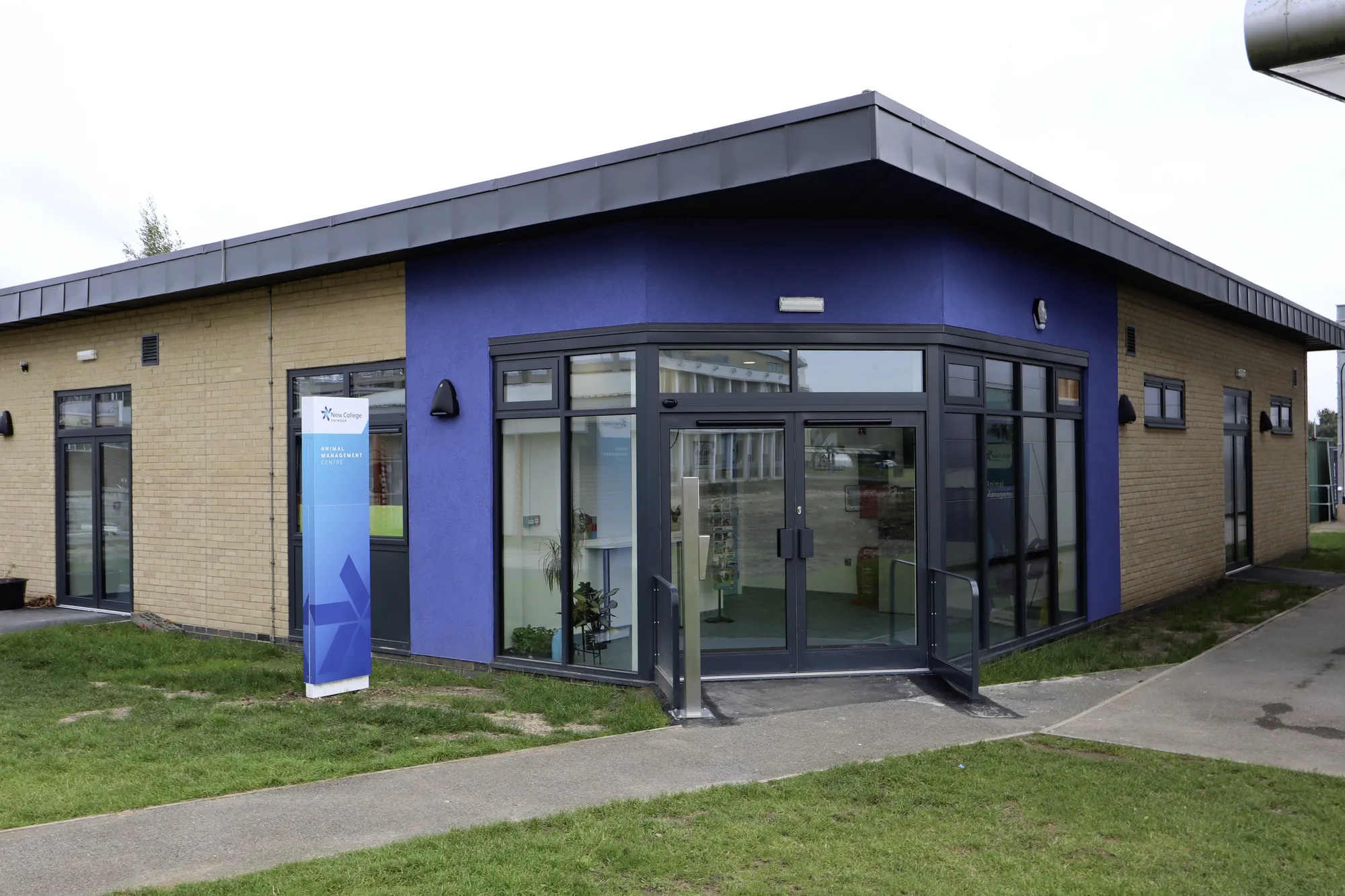
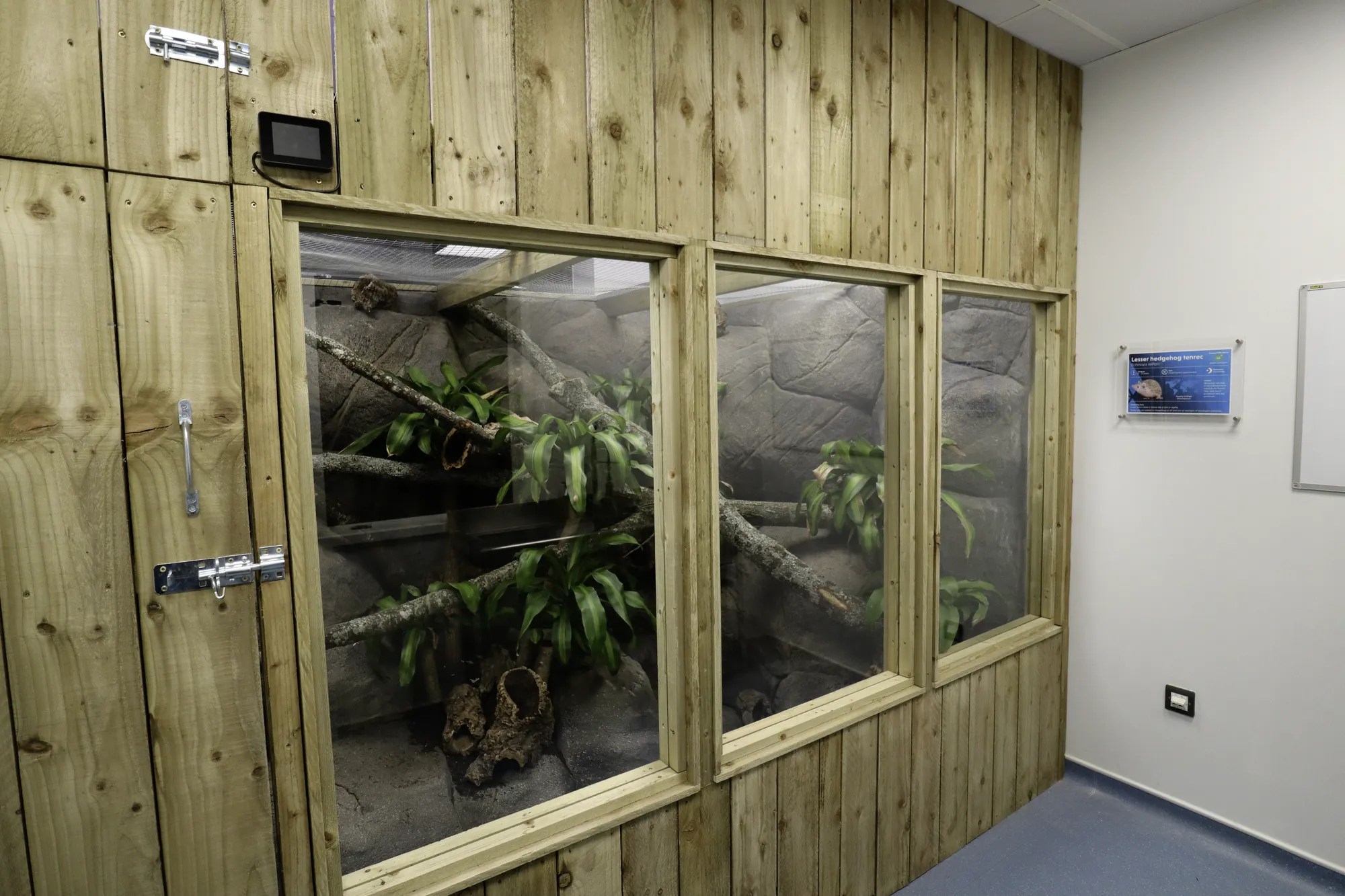
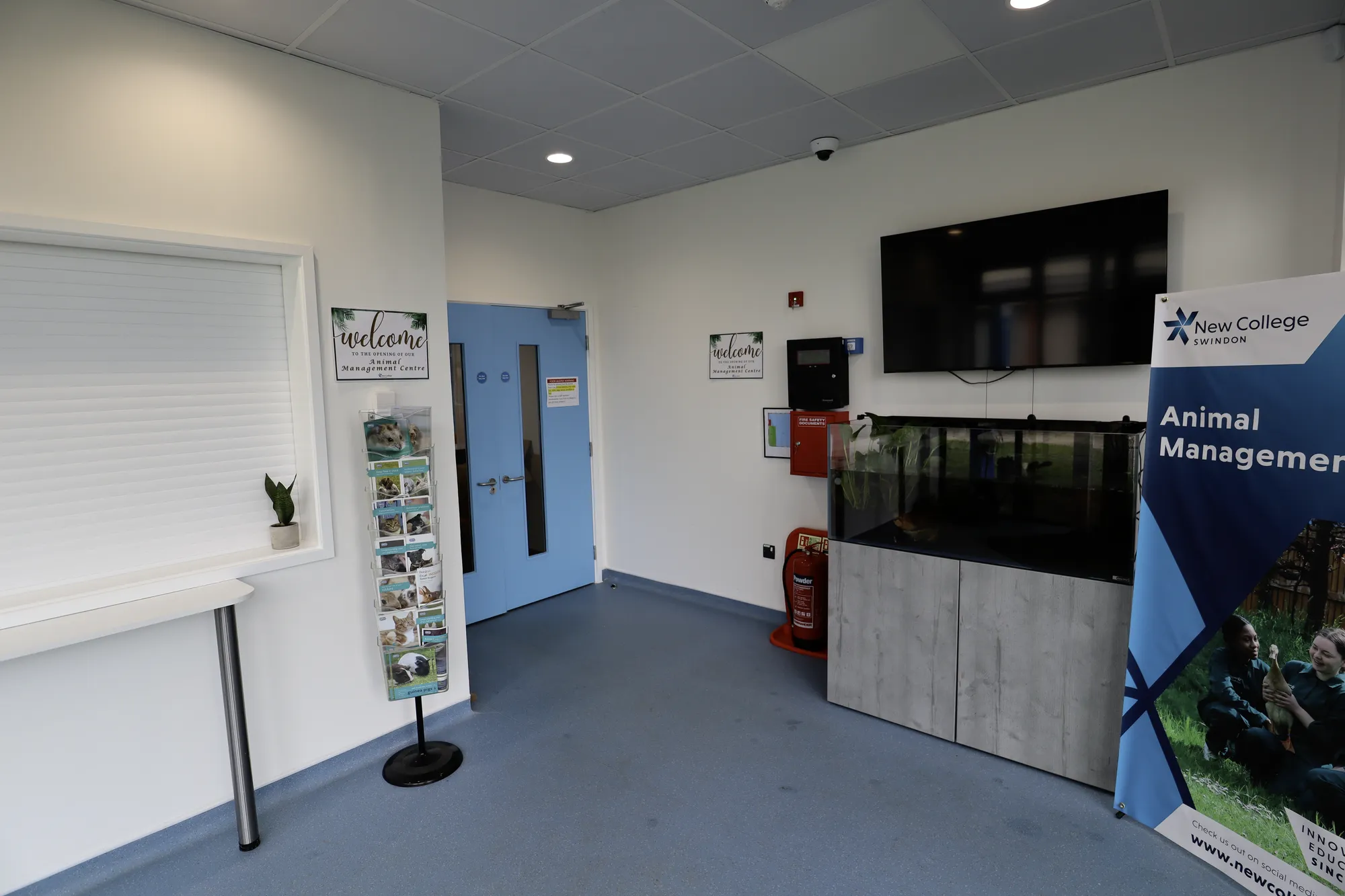
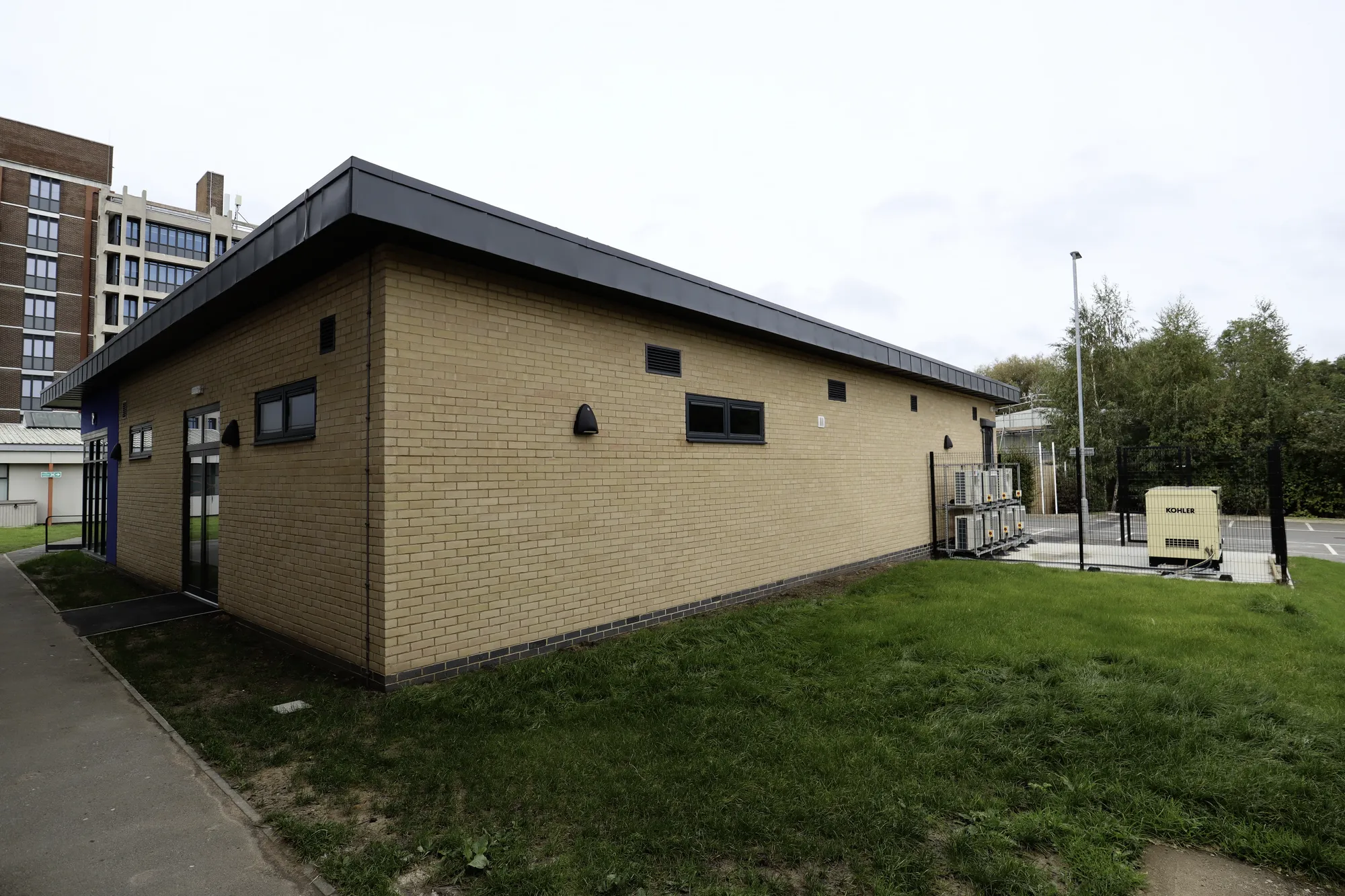
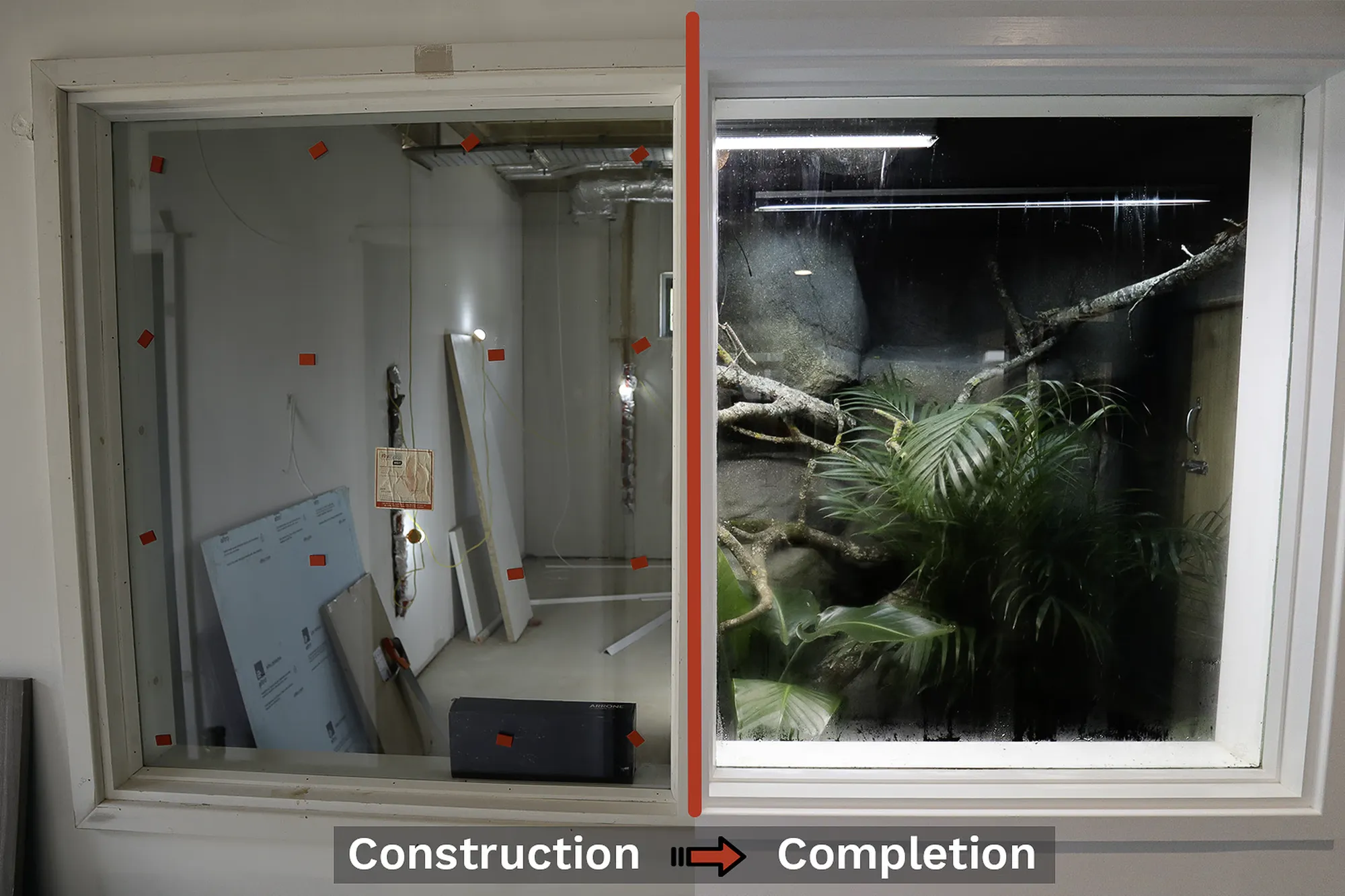
New College Swindon (Animal Centre)
Swindon
Replacement animal centre modernises teaching rooms and adds welfare areas for viewing and care. AEC delivered end-to-end: secured funding, achieved planning, obtained Building Regulations approval, and provided administrative support.
View projectIn Loughton: the Green Belt position read against policy first, then the forest setting and other constraints mapped, capacity tested where development is achievable, a viability view and a recommended route. Depth is scoped to the decision, and both scope and fee are agreed in writing before the study starts.
Sometimes, within limits. Green Belt permits certain categories of development and strongly protects openness, and the Epping Forest setting adds sensitivity, so the answer depends on the specific site. The study reads that position early and reports plainly if a proposal is achievable, so money is not committed to a site policy will keep closed.
Before exchange, and before design fees mount. In a district where Green Belt and the forest setting can decide a site's whole prospects, a study is cheapest exactly when it matters most, while the decision to buy or walk away is still open. Pre-application advice, where sought, typically takes four to eight weeks.
It depends on depth and the site's complexity, and the fee is fixed and agreed in writing before work begins. A rapid Green Belt and capacity view sits at the lighter end; a full appraisal with viability testing and pre-application advice costs more. Being close by keeps time lost to travel out of the cost.
Yes, and quickly, since the site is close by. A focused study concentrates on what decides a Loughton purchase: the Green Belt position, the tree cover and forest-setting impact, the achievable capacity and the district's likely view. Any tree, ecology or survey material already held is folded in, so the appraisal reports in time to shape the offer or the decision to walk.
A written report covering the Green Belt and setting position, capacity, viability and a recommended route, with reasoning shown throughout. It is built to support the buy-or-walk decision and to be read by lenders or partners. Where the project proceeds, the findings carry straight into design and planning.
From schools to homeowners, we work closely with every client to deliver thoughtful, lasting architecture here’s what they’ve said about working with us.
We’re always up for a new challenge. Whether it’s a home, a school, or something completely unique.