Support while the building goes up in Canterbury, Whitstable and Herne Bay, with heritage and conservation handled with care.
.webp)
A World Heritage Site setting and a spread of conservation areas mean Canterbury consents are granted with unusual precision: materials named, details drawn, commitments recorded. Our construction support service protects that precision through the build, answering contractor queries against the approved information, reviewing samples and substitutions before anything is ordered, issuing revisions under change control and keeping a record that ties every change to the consent. The approach continues the care of our planning and approvals work, though schemes consented by others are supported just as fully after a structured review. Projects in Whitstable, Herne Bay and Sturry sit inside the same service, across education, commercial and residential work, with involvement scaled from periodic advice to a standing role. Heritage sensitivity and programme discipline are treated as partners, not rivals.
Off-site fabrication and on-site build proceed under the contract, with the design team answering queries, inspecting quality and tracking compliance as details are finalised.
Systems are commissioned and tested, snags are resolved, and as-built information is issued as the building moves into use and aftercare.
Look at the whole processBy starting with the project rather than a menu. Clients send an outline through the contact form or to info@aecarchitecture.co.uk, and the first conversation works through the consent, the drawings, the programme, the team in place and where the risk concentrates. From that, AEC recommends a level: full construction phase support where the scheme is complex or heritage-sensitive, or a bounded package, condition discharge, substitution reviews, periodic inspections, where the need is narrower. The recommendation arrives as a written scope with a matching fee basis, open to adjustment before acceptance. Once agreed, the team joins the project beside the contractor and any project manager, with roles mapped from day one.
Public sector and education schemes run to standards that leave no room for loose record-keeping, and the practice's funded school work has made those standards habitual: changes controlled, decisions documented, compliance evidenced. Heritage-sensitive builds in Canterbury benefit from exactly that discipline, where every material choice may need defending.
One practice can carry a project from feasibility through planning and technical design into the construction phase. The build inherits everything: the constraints mapped early, the reasoning behind the consent, the logic of each detail. Contractor questions get answered by people holding that whole picture, not a drawing in isolation.
From its Billericay base the practice works across Essex, London and the South East, with Canterbury, Whitstable, Herne Bay and Sturry inside its regular range. Site visits happen on the build's schedule rather than the diary's, and repeat work across the region keeps council procedures familiar.
By treating the consent's heritage commitments as fixed points and managing everything else around them. Materials and details agreed with Canterbury City Council at approval stage are checked against what the contractor proposes before orders are placed, and where substitution is unavoidable the change is agreed with the council first through the proper route. Conditions touching archaeology, materials or design are discharged in sequence so the programme is protected. The constraints that shaped the scheme back at feasibility stage remain live through construction, and respecting them is cheaper than repairing a breach. Building control inspections continue in parallel, keeping Building Regulations compliance moving on the same timetable. The change record ties both tracks together for completion.
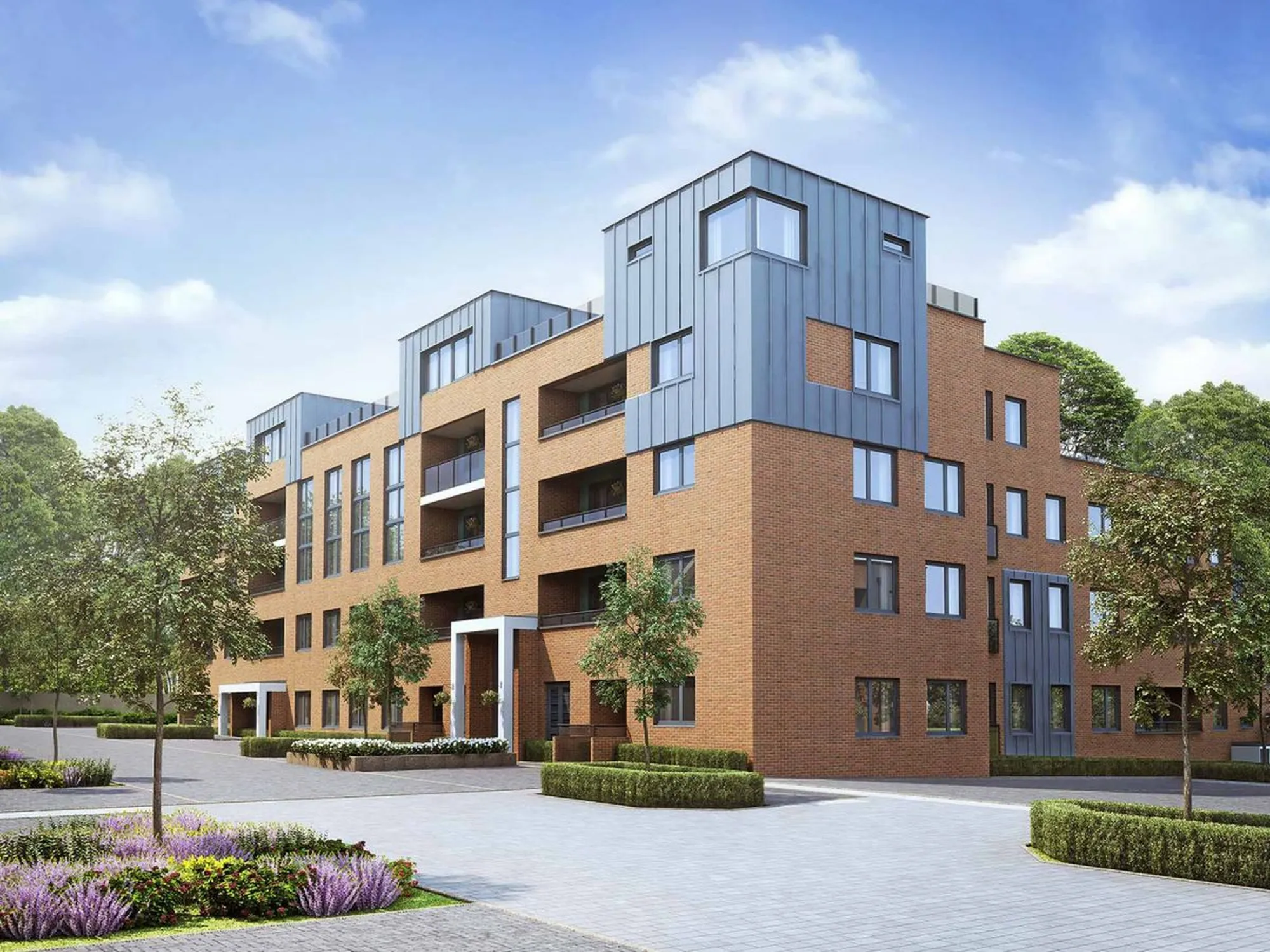
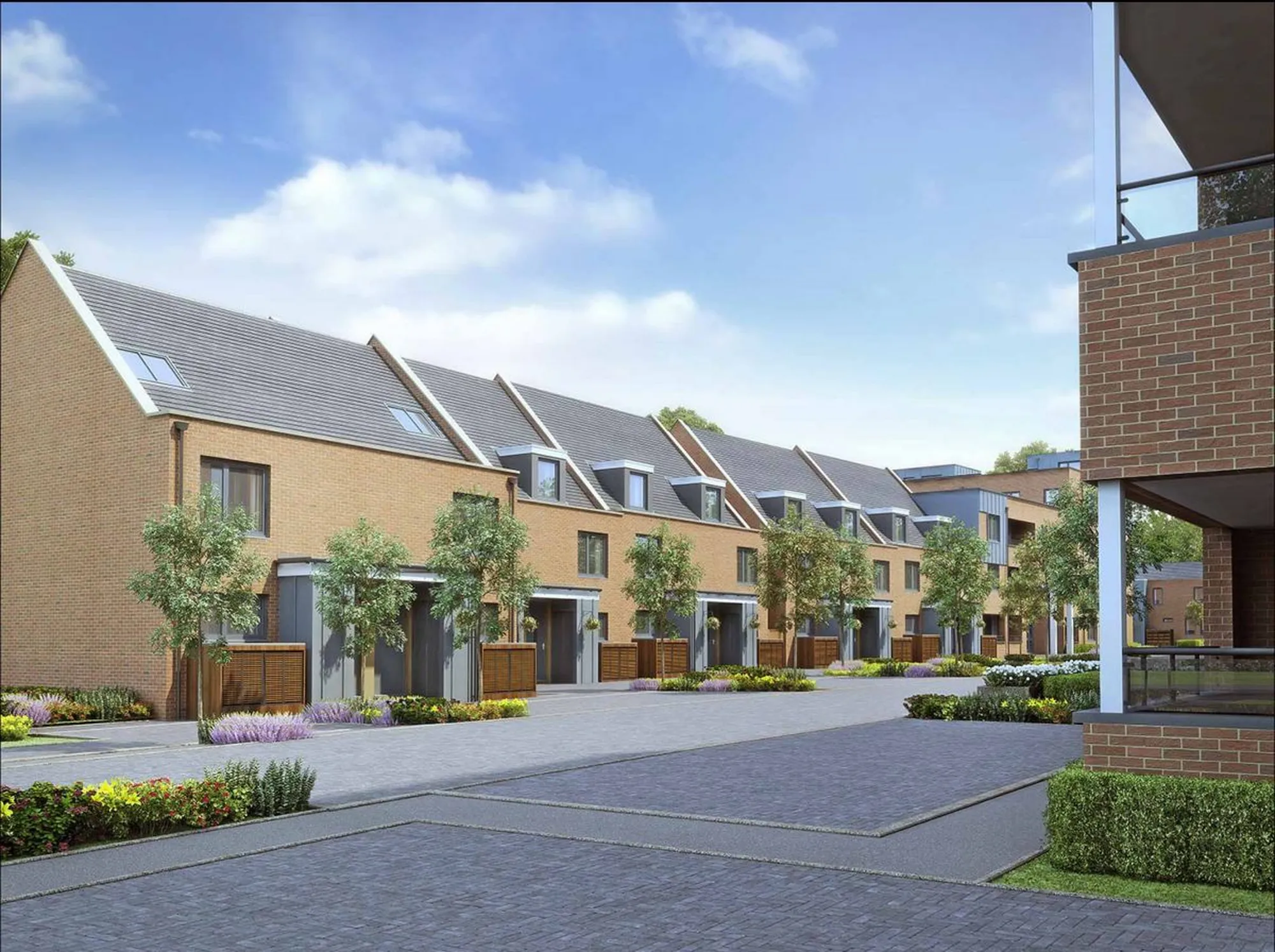
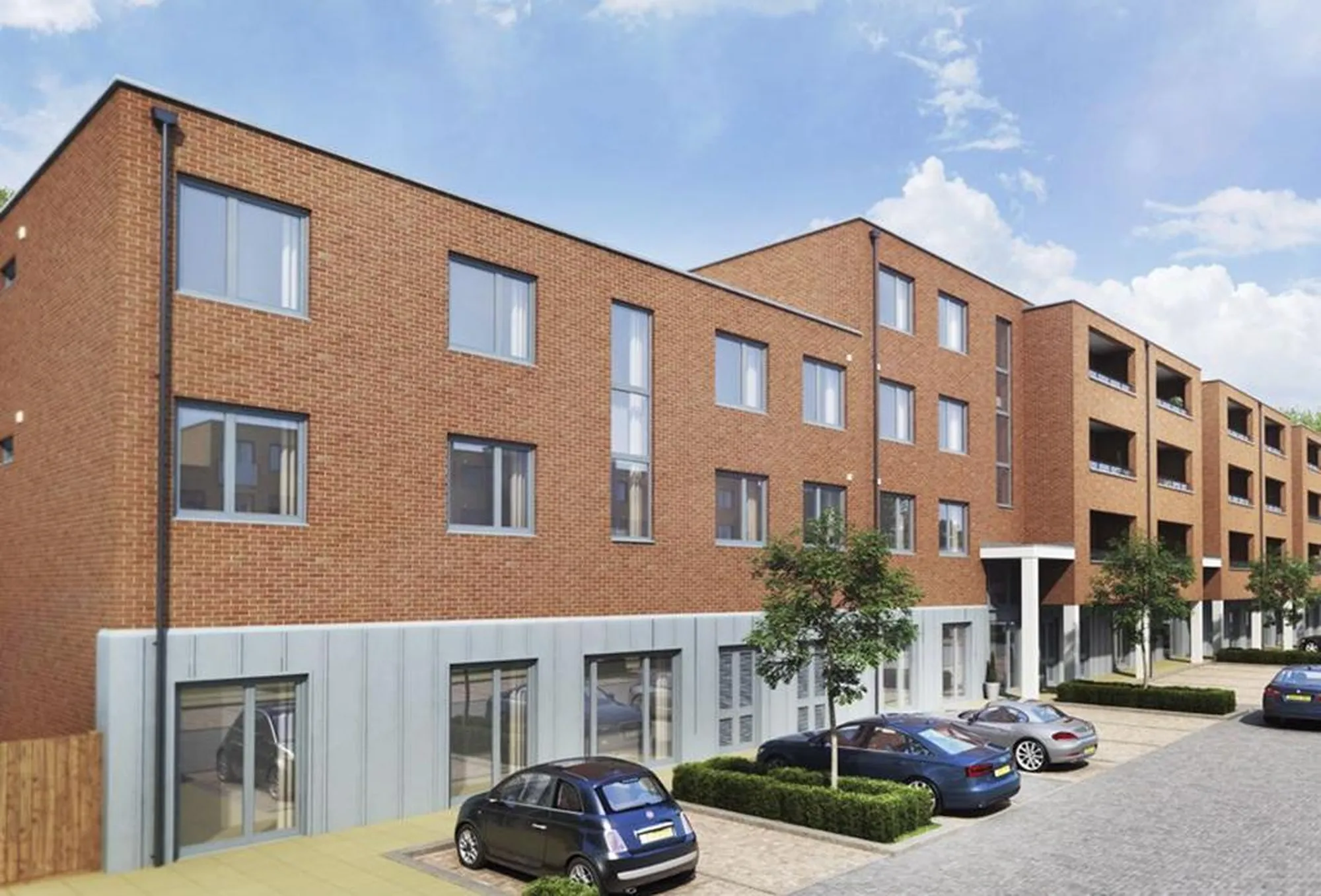
Barratts – ColArt, London
London
Major residential development of approximately 220 plots—mix of flats, houses and bedsits—with external communal areas, delivered by a leading UK housebuilder over a two-year period. AEC supported planning and assisted in clearing condition
View projectIn practice it means fielding contractor queries, reviewing samples, substitutions and proposals, issuing drawing revisions under change control, progressing condition discharge, coordinating building control inspections and visiting site at the agreed rhythm. A change record runs underneath, tying the build to its consent. The scope is fixed in writing before the appointment starts.
Canterbury City Council is the planning authority for the city and for Whitstable, Herne Bay and Sturry. Conditions are discharged through the council and amendments agreed with its officers. The World Heritage Site setting and conservation areas mean consents often carry precise commitments on materials and details that hold through construction.
Early enough that pre-commencement conditions, common on heritage-sensitive consents, are discharged before the programme needs them. Arranging support alongside contractor procurement usually leaves comfortable time. Starting back at technical design is stronger still, and a late start remains workable, opening with a review of the approved information and the site position.
Around the scope. Full appointments across a construction programme usually carry a regular fee; bounded packages such as condition discharge or a fixed set of inspections carry a fixed price. Build length, consent complexity and site presence set the level, and the whole basis is written down before the appointment begins.
Yes, that is the design of the service. The contractor keeps delivering, any project manager keeps running the process, existing consultants keep their scopes. AEC adds the design layer, queries, revisions, compliance and records, in the gaps the team needs filled. The written scope shows exactly where the role begins and ends.
A written proposal setting out the recommended scope, the site visit rhythm, the fee basis and the end point. The client can accept, adjust or decline it. On acceptance, work opens with a review of the consent and approved drawings, contact with the contractor and a plan for outstanding conditions.
From schools to homeowners, we work closely with every client to deliver thoughtful, lasting architecture here’s what they’ve said about working with us.
We’re always up for a new challenge. Whether it’s a home, a school, or something completely unique.