Design support during custodial construction, with queries, changes and compliance managed inside the security of a running establishment.
.webp)
A custodial build answers to security before it answers to anything else, and the construction phase is where that discipline is tested daily. Our construction support service holds secure projects to their approved information, answering contractor queries against the drawings and the security requirements together, reviewing samples and substitutions before installation, issuing revisions under change control and logging every change against the consent and the technical design package. On a secure site, a substitution is never only a product question: a different fixing, panel or ironmongery set can carry security implications the contractor cannot be expected to judge alone, so the review looks at both. Works phasing respects the regime, decant sequences and controlled access are honoured, and handover assembles the documentation a commissioning body and its auditors expect. Involvement is scoped in writing around the establishment's own delivery and security teams.
Off-site fabrication and on-site build proceed under the contract, with the design team answering queries, inspecting quality and tracking compliance as details are finalised.
Systems are commissioned and tested, snags are resolved, and as-built information is issued as the building moves into use and aftercare.
Look at the whole processThrough a controlled engagement that respects the setting. An initial note through the contact form or to info@aecarchitecture.co.uk describing the project in general terms opens it, with sensitive detail exchanged appropriately once the engagement is established. AEC then agrees a written scope: full support from contractor appointment to completion, or a defined package such as condition discharge, substitution reviews or milestone inspections. On site the team works within the establishment's security procedures, beside the contractor, the project lead and the operational stakeholders, with the design role mapped clearly so security decisions stay with those who own them and design decisions arrive documented, promptly and in step with the programme.
Support on a secure site means attending under the establishment's rules: escorted access respected, visits planned around the regime and every review conducted knowing the operational context. The team works within those procedures as the working conditions they are, because a build inside a perimeter runs on cooperation.
Funded public work has fixed the practice's habits: documented decisions, controlled change and compliance evidenced without prompting. Custodial projects, answerable to commissioning bodies and audit, run on precisely those habits, with the added discipline that sensitive information is held tightly and shared only as the engagement requires.
Where AEC designed the scheme and drew the technical packages, the same reasoning follows the project onto site; where it did not, a structured review builds that understanding first. Either way the client deals with one accountable team from query to completion, and sensitive material never travels further than it must.
More carefully than anywhere else, because a change that weakens security cannot be discovered after handover. Every proposed substitution or site change is tested three ways before it is built: against the Building Regulations package, so approved performance holds; against the security requirements, so supervision, resilience and control are not eroded by a quiet product swap; and against the consent, with formal routes used where a change steps outside it, supported by our planning and approvals work. Approved changes are issued as controlled revisions so the whole team builds from one current set, and the record accumulates into the evidence a commissioning body expects. Building control inspects at key stages in parallel, keeping statutory and security compliance on the same disciplined timetable.
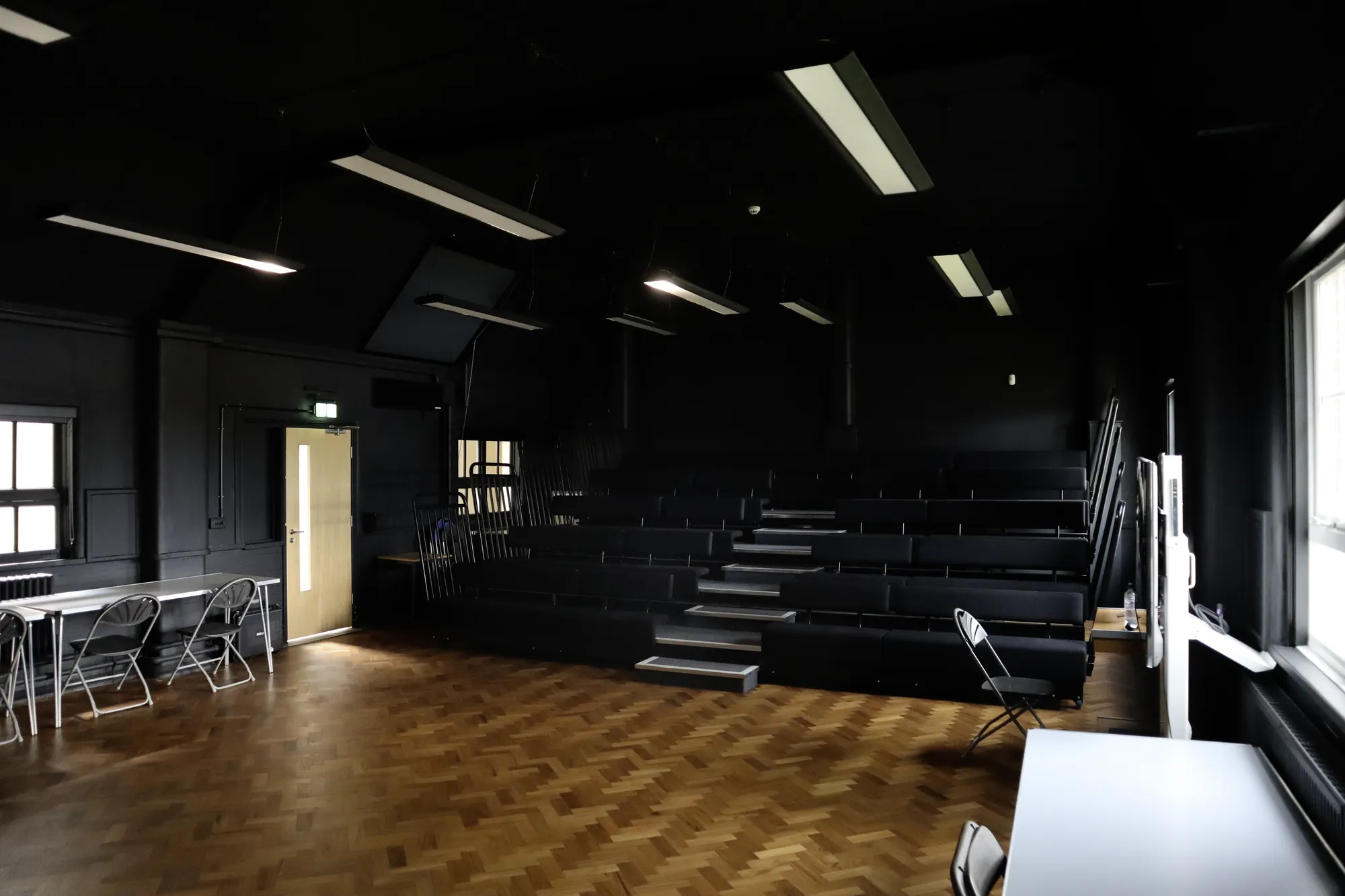
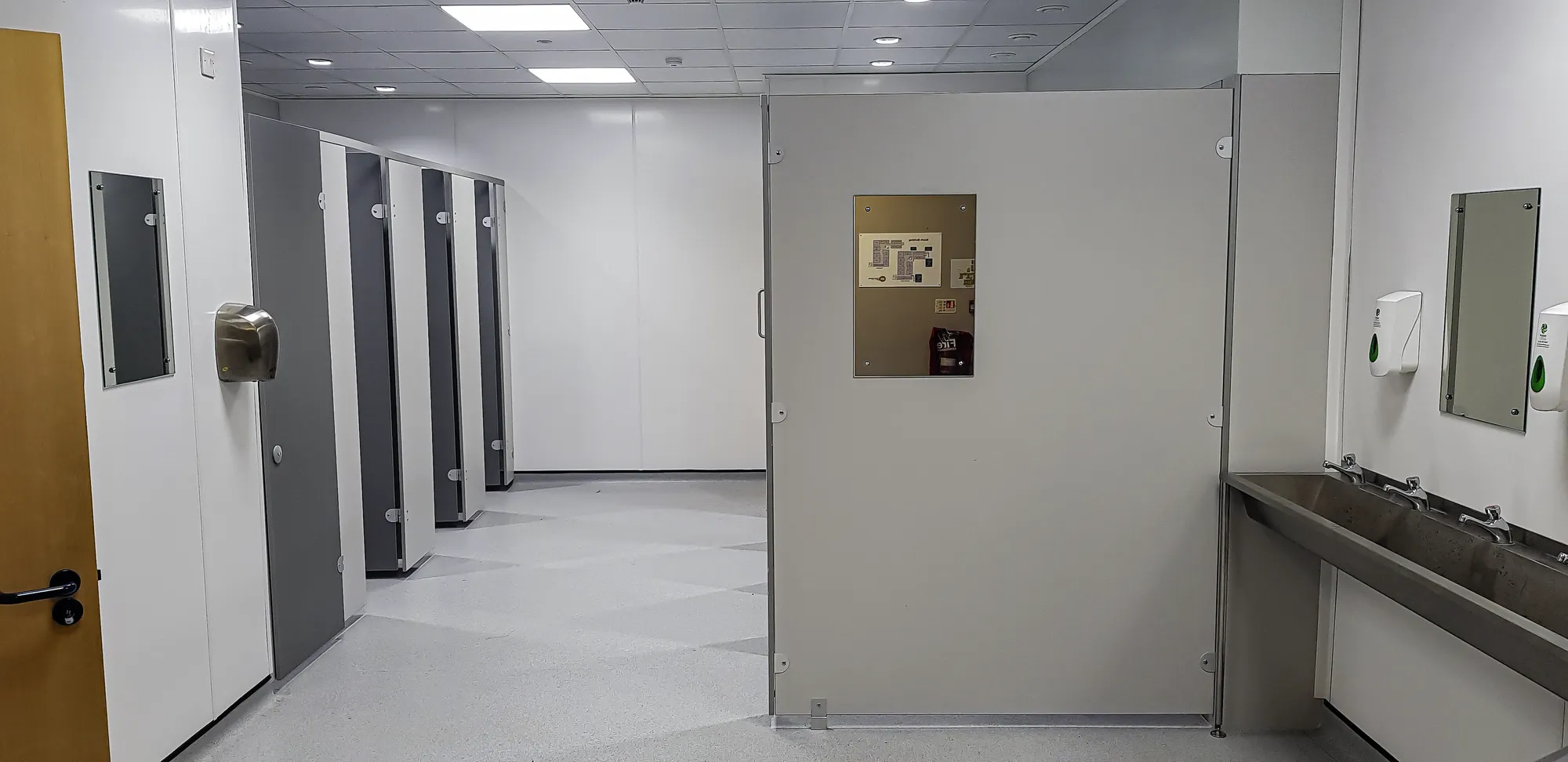
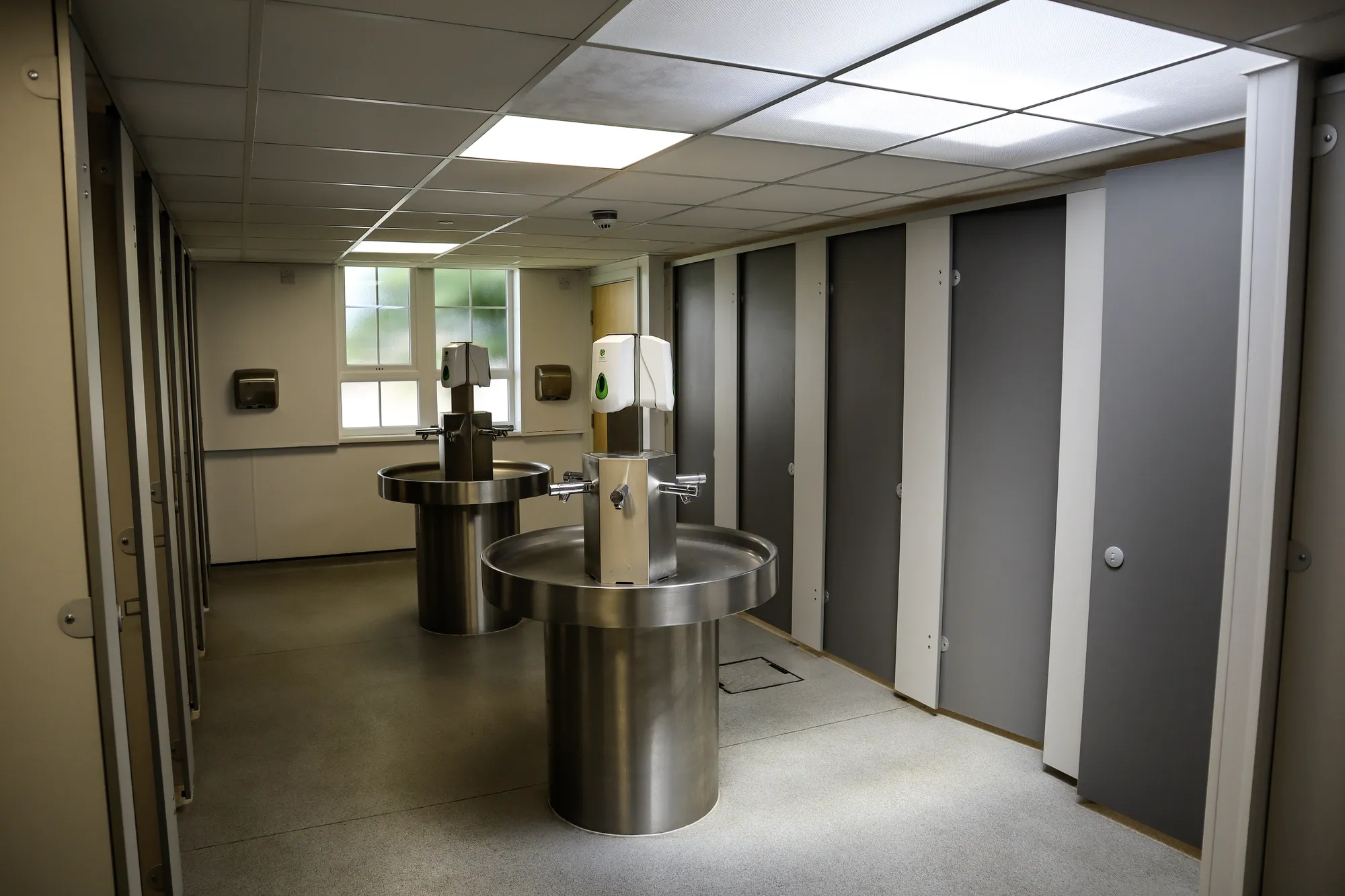
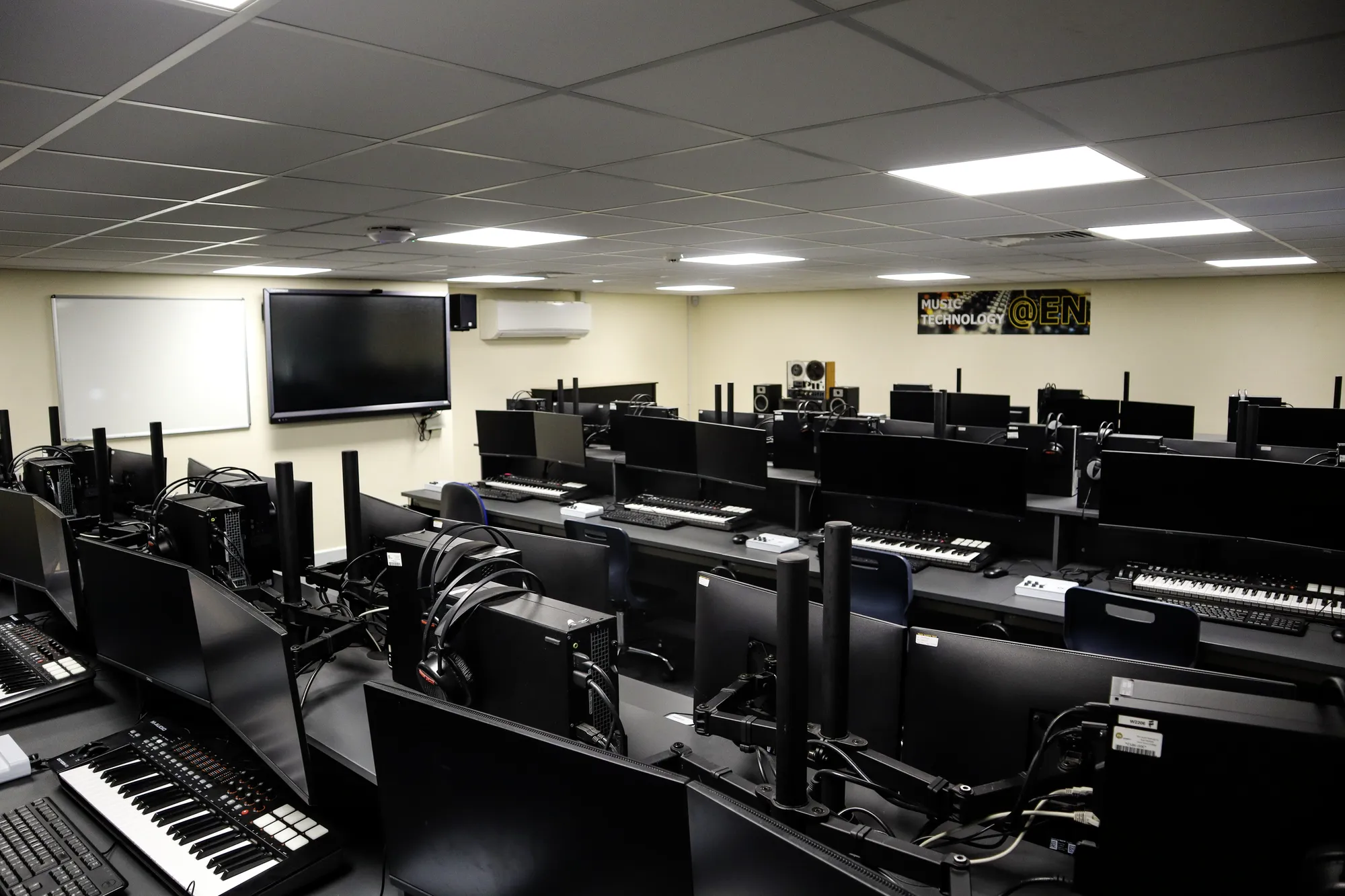

East Norfolk College (Various Areas)
Norfolk
Three-year campus programme: courtyard infills creating teaching space, auditorium upgrades, a two-storey CDT block, and a nursery and animal centre. Planning secured in phases, with project management alongside the Principal Contractor.
View projectContractor query responses, reviews of samples and substitutions against both the drawings and the security requirements, revisions under change control, planning condition discharge, building control coordination and site presence within the establishment's procedures. Records are kept to the standard commissioning bodies and auditors expect. Scope is fixed in writing first.
Yes, that is a condition of doing the job at all. Escorted access, visit planning around the regime, controlled information handling and the establishment's clearance requirements are treated as the working environment rather than an inconvenience. The service is structured so its presence on site is useful, predictable and light.
At contractor appointment, ideally, so early queries and pre-commencement conditions are handled before they cost programme, and the security review of changes is established from day one. A project already on site can be joined at any point, beginning with a review of the approved information and the requirements around it.
Against a written scope following the commissioning body's procurement: a regular fee across the construction programme for full appointments, or fixed fees for bounded packages such as condition discharge or milestone inspections. Programme length, security constraints and required presence set the level, all documented and accepted before the appointment starts.
Because products carry security performance as well as building performance. A different fixing, panel, glazing unit or ironmongery set can change how a component resists misuse, and a contractor pricing alternatives cannot always see that. Reviewing substitutions against the security requirements as well as the drawings closes that gap before installation.
An initial note describing the project in general terms, through the contact form or to info@aecarchitecture.co.uk, with sensitive detail exchanged appropriately once the engagement is established. AEC arranges a conversation, then issues a written scope and fee basis. Work starts on acceptance with a review of the approved information.
From schools to homeowners, we work closely with every client to deliver thoughtful, lasting architecture here’s what they’ve said about working with us.
We’re always up for a new challenge. Whether it’s a home, a school, or something completely unique.