

Applications argued across a varied county: heritage, growth and Green Belt cases, strategy and conditions for Hertfordshire projects.
.webp)
A Hertfordshire application succeeds by making the case its context calls for: a heritage case in a historic town, a growth or regeneration case in a new town, a Green Belt argument on the county's extensive protected land. Our planning and approvals service shapes strategy first: the right route, the district's policies, the questions that context will raise and the value of pre-application advice, which typically returns within four to eight weeks. Submissions are assembled as complete cases, with the heritage, placemaking or Green Belt evidence the context demands, often built on the feasibility work that tested the site, so validation is clean and determination starts promptly. Applications are managed to decision against statutory targets of eight weeks for minor schemes and thirteen for major ones, then through conditions to a buildable permission. Where a scheme delivers homes a district is directed to find, that contribution is evidenced as material support, and refusals are fought through appeal where the case deserves it.
Design moves from ideas to a coordinated layout. Architecture, structure and building services are aligned so rooms, risers, fire strategy and servicing all work together. The result is a frozen arrangement with updated cost and risks understood. Planning applications are typically prepared and submitted at the end of this stage.
Look at the whole processIt begins with the site, the proposal and any planning history, sent through the contact form or to info@aecarchitecture.co.uk, and a first view that turns on which district council decides it and how that authority tends to weigh such schemes. AEC then scopes the work in writing, strategy, preparation, submission, management to decision and any conditions or appeal, with the fee agreed alongside. An existing design is tested against that council's local plan before submission; a forming one is shaped with the planning strategy from the outset, since matching the case to the specific Hertfordshire authority is where consent is most often won.
The county's districts decide applications on different terms, and the Academy Estate Consultants group keeps planning judgement beside the design team. The case a site needs, heritage-led, growth-led or a Green Belt argument, is built for its specific context before submission rather than left to derail it late.
The practice works across the South East from its Essex base, with Hertfordshire in range, so officer meetings and site visits are practical. Familiarity with how the county's districts weigh heritage, growth and Green Belt keeps applications moving and expectations grounded in how each authority really decides.
Because the practice supports construction too, planning work looks past the decision notice: conditions are negotiated for dischargeability and cleared in step with the programme, so a Hertfordshire consent behaves on site the way it read on paper rather than springing costs later.
By anchoring the argument in the governing authority's local plan as much as in the site. A heritage-led case in a historic-town district cites that council's conservation policies and shows the scheme preserving or enhancing the setting; a growth case in a new-town district such as Stevenage or Welwyn Hatfield evidences the scheme's fit with its regeneration and housing aims; a Green Belt case, on the extensive protected land many Hertfordshire districts hold, answers the policy tests directly, openness, appropriate development and any very special circumstances. The relevant council's five-year land-supply position and appeal record often shape how hard a case can be pushed, and where no honest case exists that is said early. Each is built jointly with the design, and where consent is won the conditions are discharged in step with the build through our construction support stage. Building the case for the specific district, not the county in general, is what carries a Hertfordshire scheme to consent.
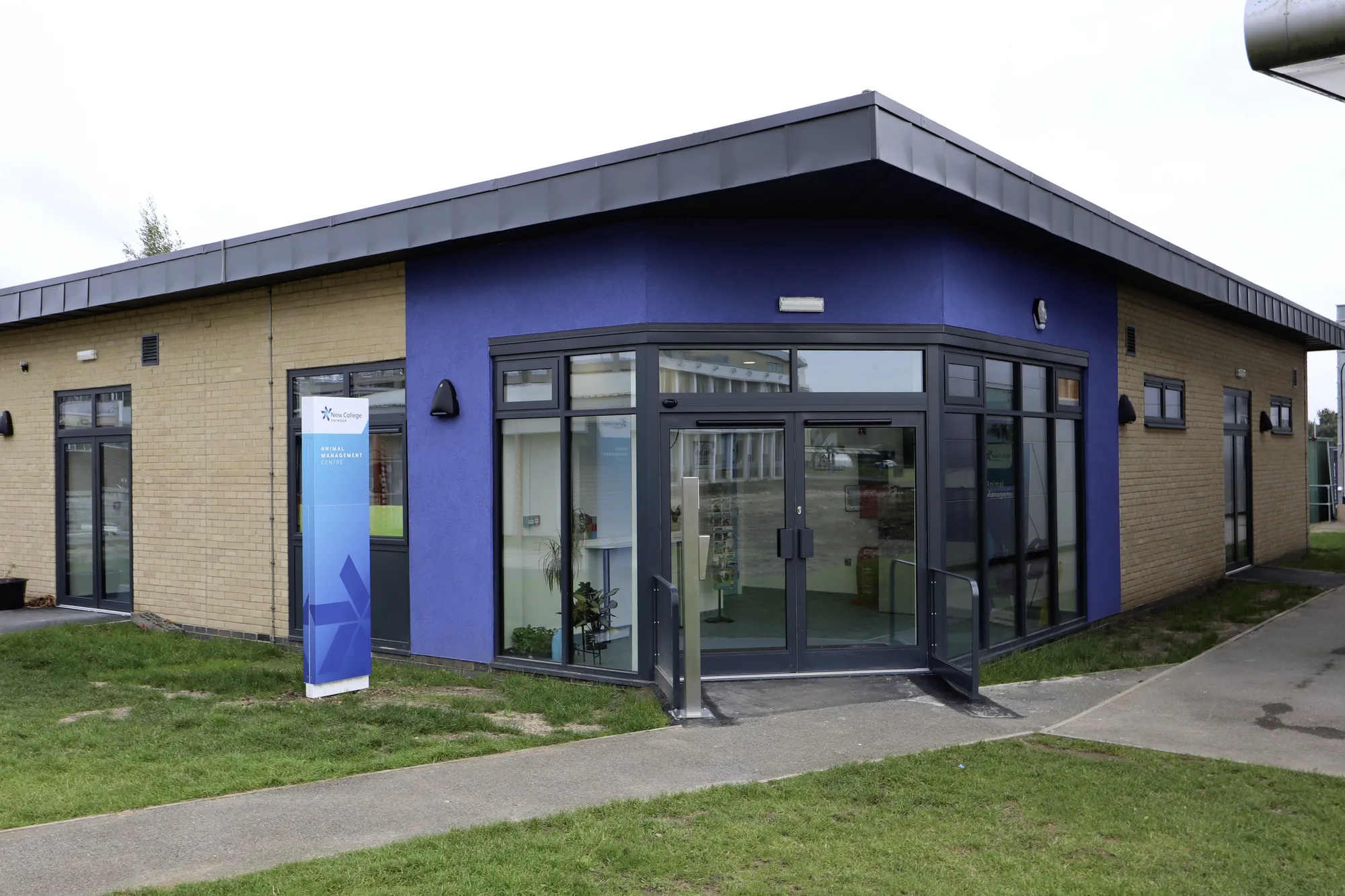
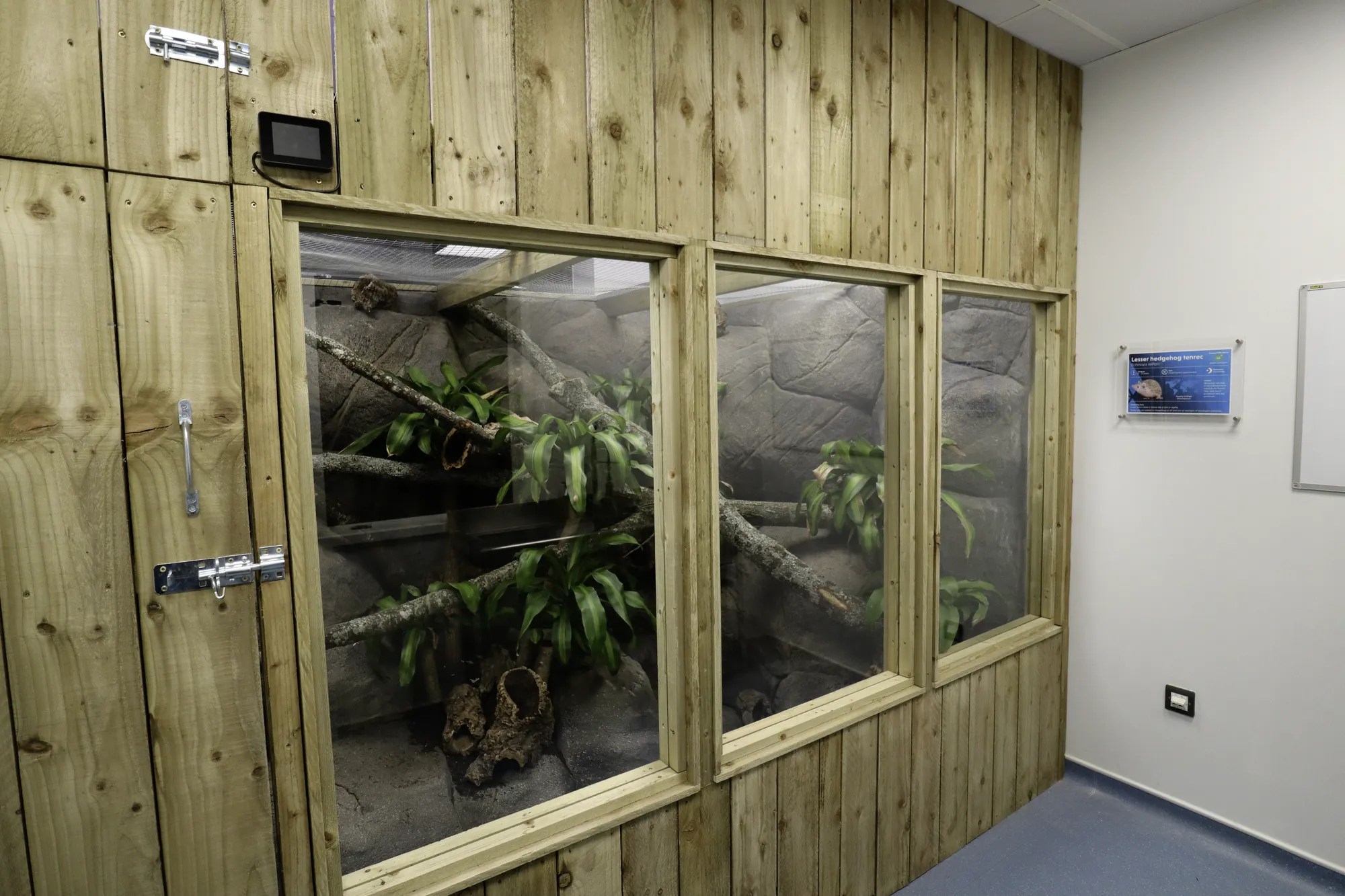
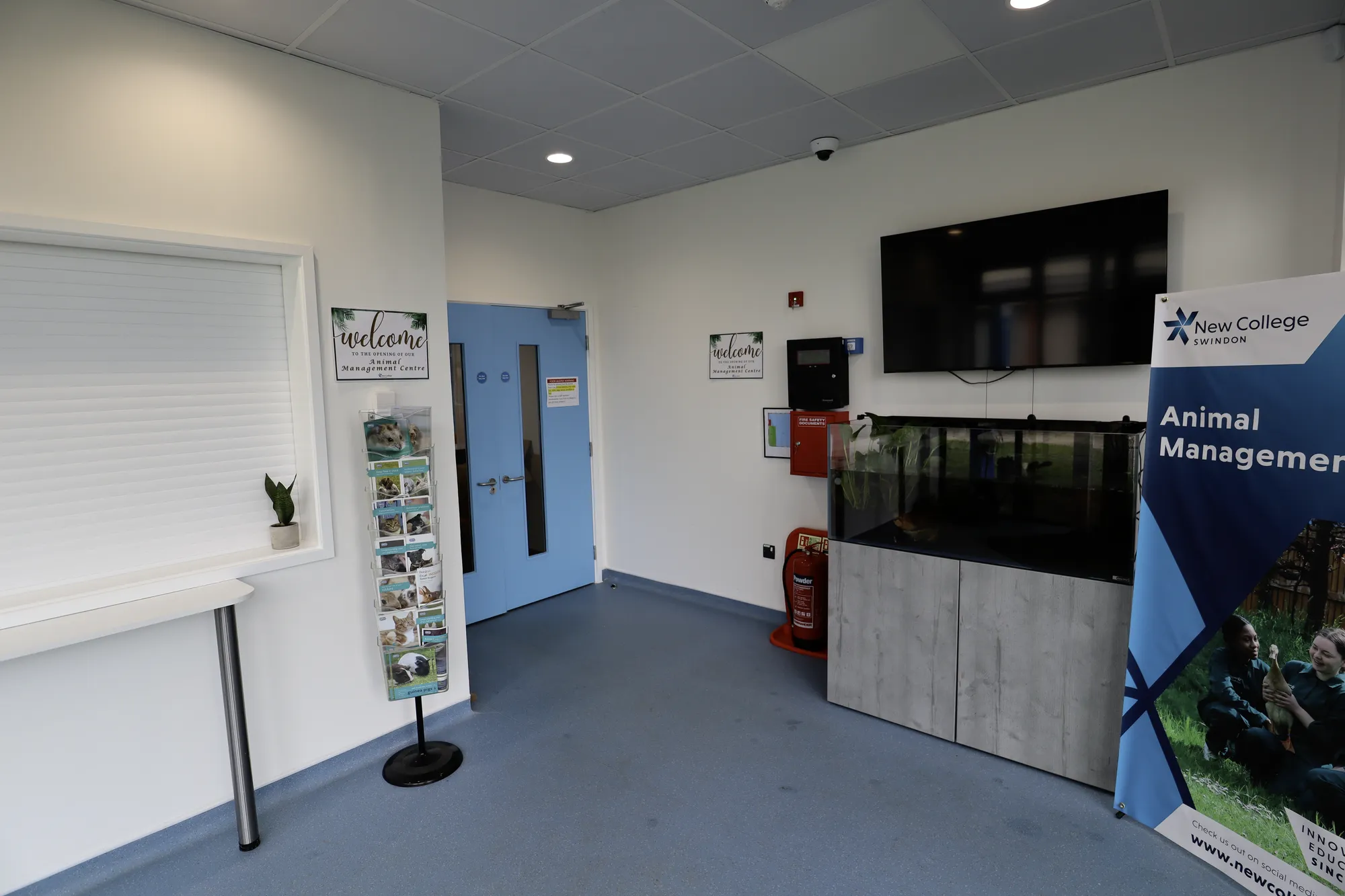
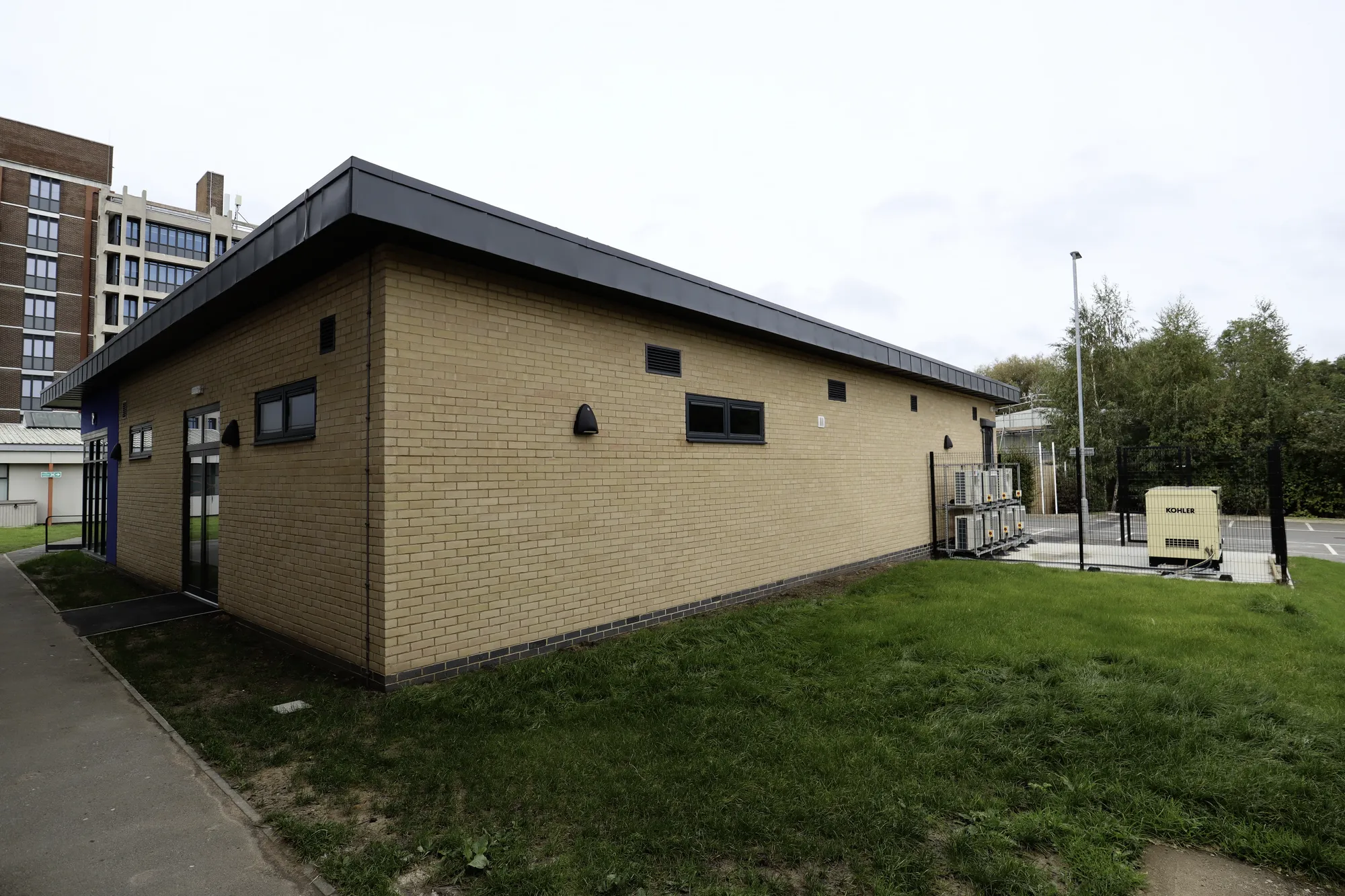
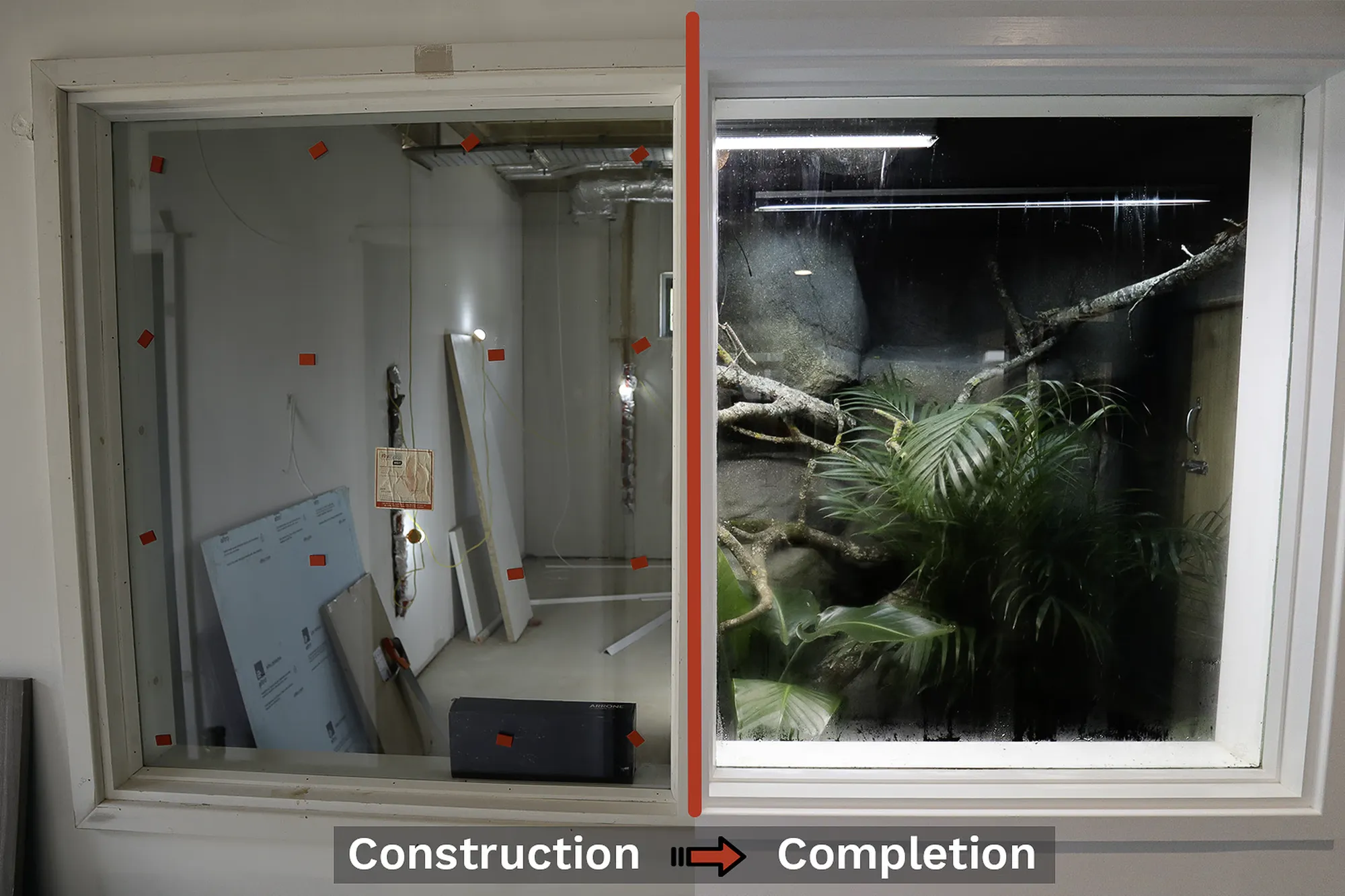
New College Swindon (Animal Centre)
Swindon
Replacement animal centre modernises teaching rooms and adds welfare areas for viewing and care. AEC delivered end-to-end: secured funding, achieved planning, obtained Building Regulations approval, and provided administrative support.
View projectStrategy, preparation, submission and management of applications through to decision, then conditions, amendments and appeals where needed. Across Hertfordshire that means the right case for the context, heritage-led, growth-led or a Green Belt argument, built for the specific site and district. Each project's scope is defined and agreed in writing before work begins.
Hertfordshire is two-tier: district and borough councils such as Watford, St Albans, Dacorum, Three Rivers and Hertsmere determine most applications under their own local plans, with Hertfordshire County Council handling strategic matters such as minerals, waste and its own education schemes. Strategy is built around the relevant district's policies.
Yes, substantially. A historic town rewards a heritage case, a new town a growth and placemaking case, and the Green Belt requires an argument against the policy tests. The strategy and evidence are built for whichever district and context the site sits in, because each authority judges on different terms and the wrong case rarely succeeds.
Sometimes, within limits. Green Belt covers much of the county and strongly protects openness, but previously developed land and defined exceptions can carry development. Where a defensible case exists it is argued against the policy tests, and where the honest reading is that a site cannot carry a proposal, that is reported early before money follows.
AEC's fee follows the agreed scope and is usually fixed, with more complex heritage or Green Belt cases reflecting the extra evidence they need. Appeals or renegotiation are scoped separately if required. The district's own application fee is separate, set nationally by type and scale. Both sit in writing before anything is submitted.
A conversation about the site, the proposal and its district and context, then an initial view on route and prospects. A written scope and fee proposal follows. Once accepted, strategy work begins: policy and context review, evidence planning and, where worthwhile, a pre-application approach to the district before anything is formally submitted.
From schools to homeowners, we work closely with every client to deliver thoughtful, lasting architecture here’s what they’ve said about working with us.
We’re always up for a new challenge. Whether it’s a home, a school, or something completely unique.



We maintain involvement from earlier stages or provide targeted support during construction, ensuring design intent is carried through on site.
We support contractor coordination, respond to site queries and provide ongoing technical input to keep projects on programme and aligned with design objectives.
Our services can be adapted to suit project requirements, whether providing full support or working alongside existing teams.
It covers the practical input a project needs once work starts on site, including responding to contractor queries, reviewing information, coordinating across the team and providing ongoing design advice so the approved design is delivered as intended.
Yes. We can provide targeted support at construction stage even if we were not involved earlier, working alongside your existing contractor and consultants within the structures already in place.
Involvement is scaled to the project, from answering occasional technical queries through to regular site support. We agree the level of service and fee basis with you at the outset so costs stay predictable.
From schools to homeowners, we work closely with every client to deliver thoughtful, lasting architecture here’s what they’ve said about working with us.
We’re always up for a new challenge. Whether it’s a home, a school, or something completely unique.